 listicle
Reliable Camping Equipment for Road Trips: 2026 Guide
Table of Contents
- What Makes Camping Equipment Reliable for Road Trips
- Camping Gear Checklist: Essential Categories
- Camping Cooking Equipment That Lasts
- Food Storage, Cooling, and Water Systems
- Camping Safety Gear and Emergency Preparedness
- Lighting, Power, and Organization
- How to Choose Reliable Equipment and Test Durability
- Frequently Asked Questions
Last Updated: October 13, 2026
What Makes Camping Equipment Reliable for Road Trips
When you're planning a week-long road trip with your family, the last thing you need is gear that fails halfway through. Reliable camping equipment for road trips withstands repeated use, handles variable weather, and performs consistently across climates and terrains.
The challenge isn't finding gear; it's finding gear that won't disappoint when you need it most. A leaking tent, a sleeping bag that loses warmth, or a cooler that can't keep food cold turns a dream vacation into a frustrating experience.
This guide covers the essential categories of reliable camping equipment, how to evaluate durability before you buy, and specific gear for different road-trip scenarios.
Camping Gear Checklist: Essential Categories
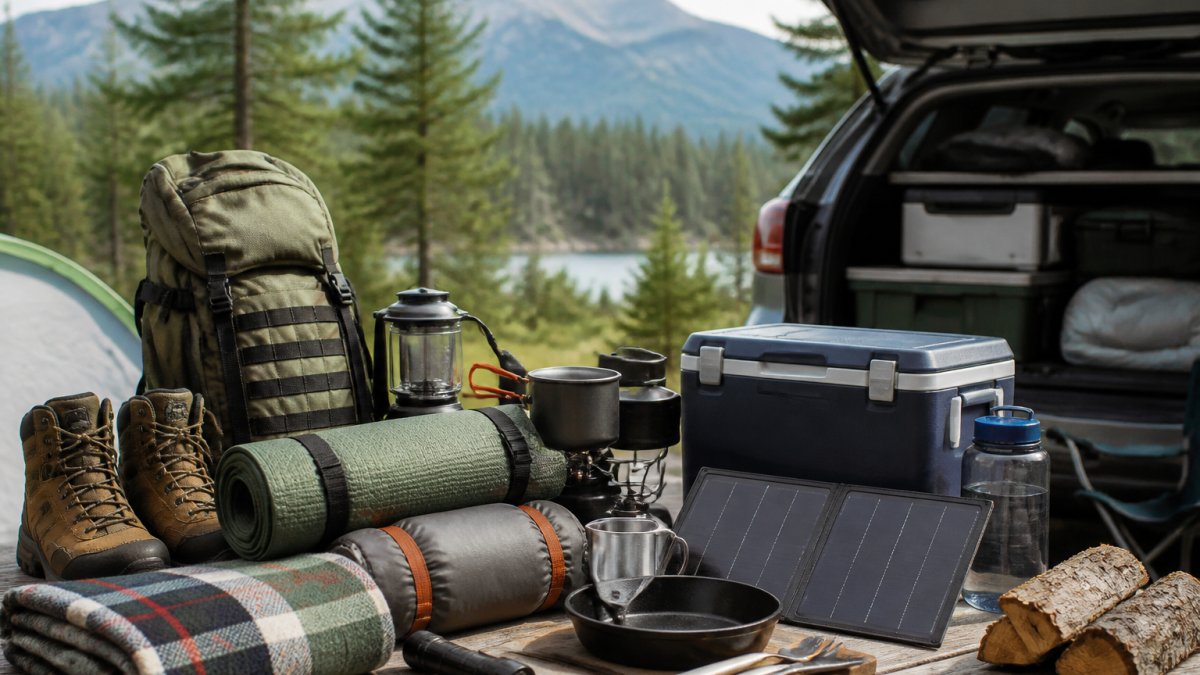
A solid camping gear checklist organizes your needs into functional categories: shelter protects you from weather, sleep systems keep you comfortable through cold nights, cooking equipment fuels your adventures, and safety gear handles emergencies. The best camping equipment for road trips balances weight, durability, and function without overloading your vehicle.
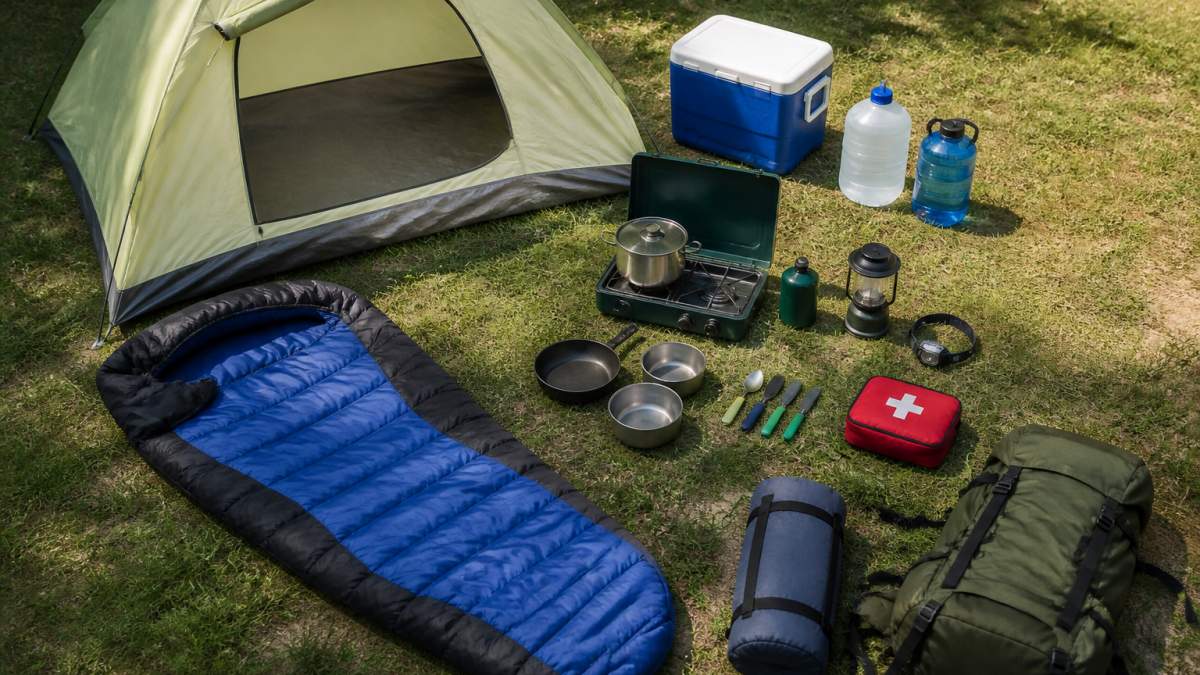
Shelter and Tents
Your tent is the foundation of every camping trip. When evaluating tent reliability, look for a full rainfly that extends to ground level, sealed seams, and a bathtub-style floor. Poles should be aluminum or fiberglass (not plastic), and zippers should move smoothly without snagging.
For road trips, tent size matters more than backpacking weight. A 4-person tent gives you breathing room and gear storage inside. Test ventilation: condensation buildup indicates poor airflow, which leads to mold and mildew.
Camping Sleeping Gear Systems
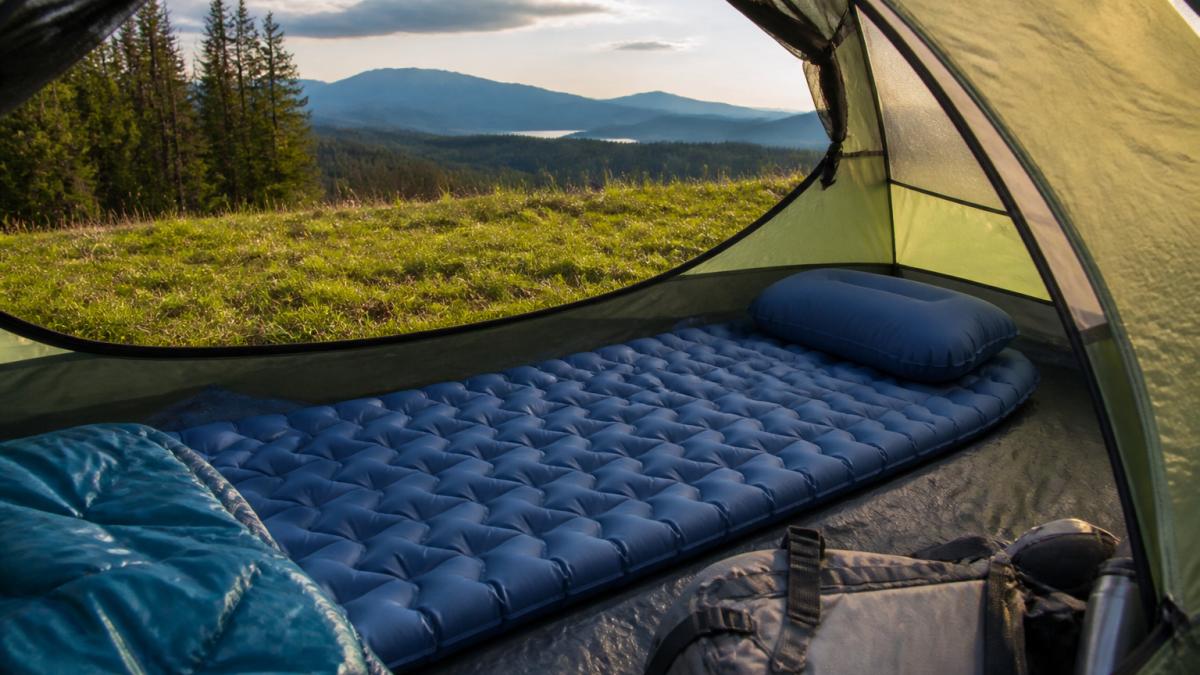
Your sleeping system has three layers: a sleeping bag, a sleeping pad, and sometimes a mattress topper. The bag provides insulation; the pad blocks ground cold and adds comfort; the topper adds cushioning for side sleepers.
Match a sleeping bag's temperature rating to your camping season: 20°F works for three-season camping, 0°F handles winter trips. Don't trust the lowest temperature alone; check user reviews for real-world performance. Sleeping pads come in three types: foam (durable and affordable), inflatable (lightweight and packable), or vehicle mattresses (comfortable for car camping).
Camping Cooking Equipment That Lasts
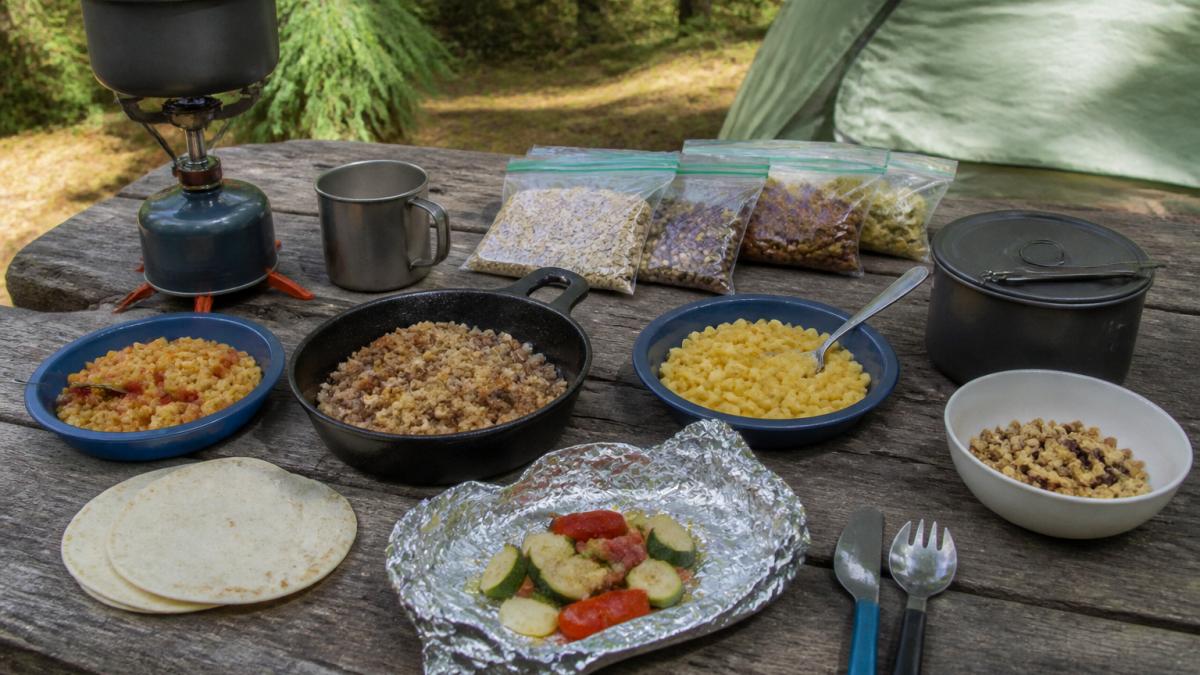
Reliable camping cooking equipment withstands repeated heating cycles, handles different fuel types, and cleans easily. Camp stoves fall into three categories: propane cartridge (simple and fast), liquid fuel (efficient in cold), and integrated systems (compact and self-contained).
For road trips, a two-burner propane stove lets you cook multiple dishes at once. Look for adjustable flame control and stable pot supports. Cast iron lasts decades but requires seasoning; stainless steel is easier to maintain. A quality skillet, pot, and utensils should weigh under 5 pounds total.
Food Storage, Cooling, and Water Systems
Food storage reliability depends on your cooler's insulation and seal integrity. A portable fridge offers powered cooling for extended trips, maintaining consistent temperature regardless of outside heat. Traditional coolers work for 3-4 day trips if you pack ice efficiently; portable fridges extend trip length and eliminate daily ice runs.
Water storage matters equally. Bring collapsible containers (5-10 gallons) for camp plus individual bottles for hiking. Reliable camping equipment for road trips includes a water filter or purification tablets for backcountry sources.
Camping Safety Gear and Emergency Preparedness
Safety equipment for road trips handles two distinct failure modes: vehicle problems and campsite emergencies. These require different gear and planning, a roadside breakdown 40 miles from town demands different tools than a cut hand at a developed campground.
Vehicle and Roadside Emergency Kit
Keep a dedicated roadside kit in your vehicle, not buried under camping gear. A practical setup includes:
- Jumper cables or a lithium jump starter, a jump starter works without a second vehicle, which matters on remote routes.
- Tire repair kit and a properly inflated spare, check spare pressure before every trip; a spare that has been sitting for two years is often flat.
- Traction boards or a recovery strap, useful on sand, mud, or snow, but only if your vehicle has rated recovery points.
- Basic tool set, adjustable wrench, pliers, screwdrivers, duct tape, and zip ties handle most minor fixes.
- Reflective triangles or flares, required in some situations and always useful at night.
- Fire extinguisher rated for Class B and C fires, vehicle fires and camp stove flare-ups are the most common risks.
Experienced road-trippers test the jump starter and check the spare before each season, not just before a big trip. Gear that sits unused for months tends to fail when you finally need it.
Campsite First Aid and Communication
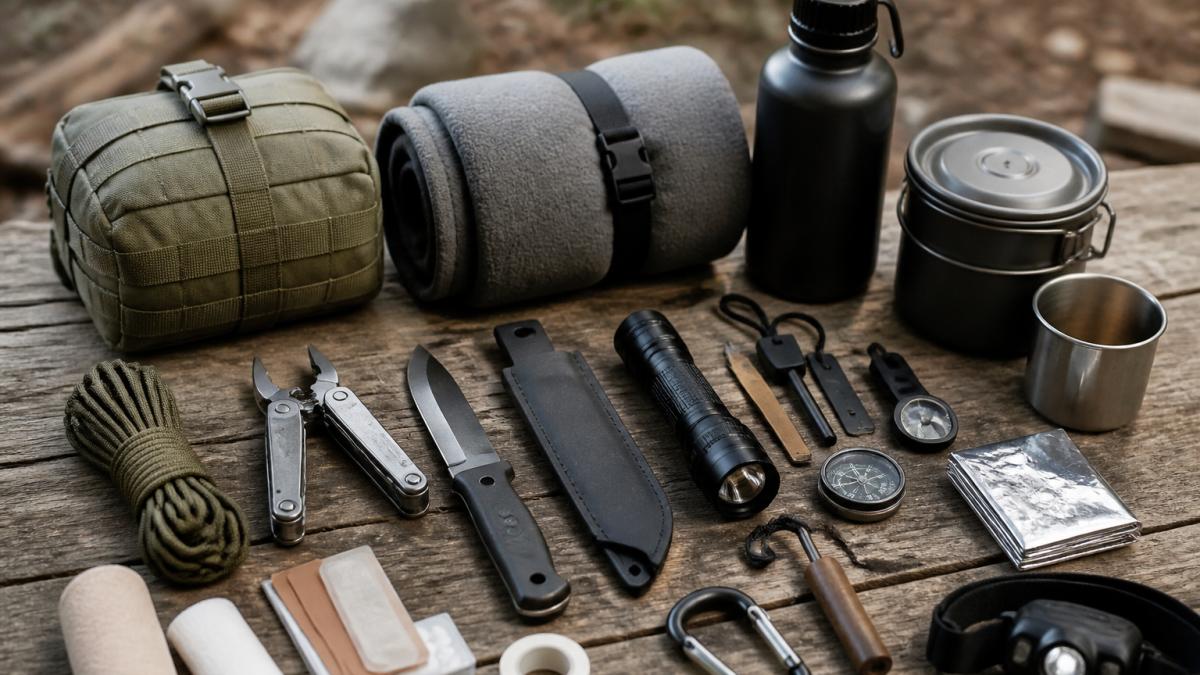
A comprehensive first aid kit should go beyond bandages. Include:
- Blister treatment (moleskin or hydrogel pads)
- Antihistamines for allergic reactions
- Tweezers and tick removal tools
- Elastic wrap for sprains
- Prescription medications in original containers
- A written list of emergency contacts and any allergies for each traveler
For communication, cell coverage is unreliable on many scenic routes. A satellite messenger or personal locator beacon (PLB) is the standard recommendation for remote travel, sending SOS signals and allowing two-way texting without cell service.
Weather and Route-Specific Planning
Weather preparedness starts before you pack. Check the forecast for your entire route, not just your destination. Mountain passes can have snow in June; desert nights can drop below freezing. Pack layers accordingly.
A tarp or emergency shelter provides backup protection if your tent fails or you need to wait out a storm.
For remote routes, carry extra water and food beyond your planned needs. A general rule is to have at least one extra day of supplies for every three days of remote travel.
Reliability Check Before You Leave
Run through this checklist before every trip:
- Test the jump starter and check tire pressure, including the spare.
- Verify the first aid kit is stocked and medications are not expired.
- Confirm your satellite messenger or PLB has a charged battery and an active plan.
- Check the fire extinguisher gauge.
- Review the route for fuel stops, cell coverage gaps, and weather alerts.
Reliable camping equipment for road trips includes safety gear that you have actually tested, not just packed. A first aid kit you have never opened is a box of unknown contents. A jump starter you have never used is a guess. Test your safety gear on a short trip before relying on it for a long one.
Lighting, Power, and Organization
Camp lighting extends usable hours and improves safety. Camp lighting provides reliable illumination without draining battery power. Headlamps free your hands for cooking or setup; lanterns light the whole campsite. For road trips, bring redundant lighting: a lantern, two headlamps, and a backup flashlight.
Power management is essential. A portable power station charges phones, cameras, and small devices without relying on your vehicle battery; for multi-week trips, pair it with a solar panel to extend runtime. Organization gear, duffel bags, stuff sacks, and gear wagons, keeps equipment accessible and protected.
How to Choose Reliable Equipment and Test Durability
Reliability isn't a brand claim; it's a pattern of performance over time. Evaluate gear by how it fails, not just how it performs when new. Most camping gear fails predictably: seams separate, zippers jam, coatings wear off, insulation clumps, and plastic cracks. Understanding these failure modes helps you choose equipment that lasts.
Material and Construction Markers That Predict Durability
Tents: Look for fabrics with a high denier (a measure of thread thickness).
Sleeping bags: Down lasts longer than synthetic if kept dry but loses loft when wet. Synthetic retains warmth when damp but breaks down faster under repeated compression.
Sleeping pads: Foam pads are the most durable and can't puncture, but they're bulky.
Coolers: Rotomolded coolers with thick walls (2 inches or more) and rubber gaskets hold ice longer and resist cracking.
Stoves: Cast iron and stainless steel last decades with basic care. Aluminum cookware is lighter but can warp.
A Practical Durability Testing Approach
You don't need a lab to evaluate gear. A structured approach over a few trips reveals most weaknesses:
- First trip: Use the gear as intended. Note setup difficulties, sharp edges, or loose fittings.
- Second trip: Inspect seams, zippers, and connection points for fraying, stress marks, or loosening.
- Third trip: Test in worse conditions than expected, rain, wind, or cold. Most failures appear here.
- After each trip: Clean and inspect. Store gear dry and loosely packed; compression damages insulation over time.
A common pattern is that gear fails at the points of movement: zippers, pole joints, strap anchors, and hinges. Reinforce or replace these components before they fail completely.
Warranty, Repairability, and Long-Term Value
Warranty length is a signal, but not the whole story. A five-year warranty suggests the manufacturer expects the product to last; a one-year warranty suggests limited confidence.
Repairability matters more than warranty for long-term value. Gear that uses standard parts (replacement poles, zipper sliders, gaskets) can be fixed on the road or at home.
Cost per trip is a more useful metric than upfront price. A $200 tent that lasts 50 trips costs $4 per trip. A $100 tent that fails after 10 trips costs $10 per trip.
When you're ready to invest in reliable camping equipment for road trips, The Camping Gear Guy offers a curated selection of tested gear at affordable prices, backed by customer service that helps you choose equipment matched to your trip length, climate, and family size.
Frequently Asked Questions
What are the must-haves for a camping road trip?
A reliable tent, sleeping bag rated for expected temperatures, sleeping pad, camp stove, cooler with ice, water storage, headlamp, first aid kit, and multi-tool form the foundation. Add a power station if you need to charge devices, and weather-resistant bags for gear organization. Prioritize items that serve multiple purposes, a quality tarp, for example, works as shelter, ground cover, or emergency protection. The Camping Gear Guy stocks all these essentials.
How do you choose reliable camping equipment for a road trip?
Look for gear with consistent positive reviews from users who've tested items over multiple seasons, not just one trip. Check weight and material specs, aluminum cookware and ripstop nylon last longer than thin plastic. Verify warranty coverage and return policies before buying. Test gear at home first: set up your tent in the yard, use your stove on the patio, and pack your vehicle to confirm everything fits and functions.
What camping sleeping gear should I prioritize for comfort and durability?
A quality sleeping pad is as important as a sleeping bag, it provides insulation and comfort. Choose between foam pads (affordable, durable, no maintenance) or inflatable pads (lighter, packable, need repair kits). Match your sleeping bag's temperature rating to your destination's climate; a bag rated too warm for summer will be unnecessarily heavy. Look for bags with reinforced seams, quality zippers, and water-resistant shells. Test gear in your vehicle to confirm fit and comfort before a long trip.
What cooking equipment is best for road-trip meals?
A camp stove and cookware set that nest together save space and weight. Stainless steel or hard-anodized aluminum cookware resists rust and dents. Include a lighter or waterproof matches, utensils, a cutting board, and a dish brush. A coffee press or percolator lets you prepare hot drinks without electricity. Store all cooking items in a single duffel or storage container to keep your vehicle organized. Test your stove setup at home to learn how it handles wind and fuel consumption before your trip.
Why is camping safety gear essential on a road trip?
Safety gear protects you from injury, weather, and emergencies far from help. A first aid kit, multi-tool, pocket knife, flashlight with extra batteries, and emergency whistle address common road-trip scenarios. Include a recovery strap or traction mats if you're traveling to remote areas. Weather-resistant bags protect gear from rain and dust. Know the location of the nearest hospital or ranger station before you depart. The Camping Gear Guy carries safety items.
Planning a road trip requires more than just booking campsites, it demands equipment you can trust. The difference between a memorable adventure and a frustrating experience often comes down to gear reliability. The Camping Gear Guy provides the selection, expertise, and customer support to help you choose equipment that performs when it matters. Shop our tested camping gear collection and prepare for your next adventure with confidence.