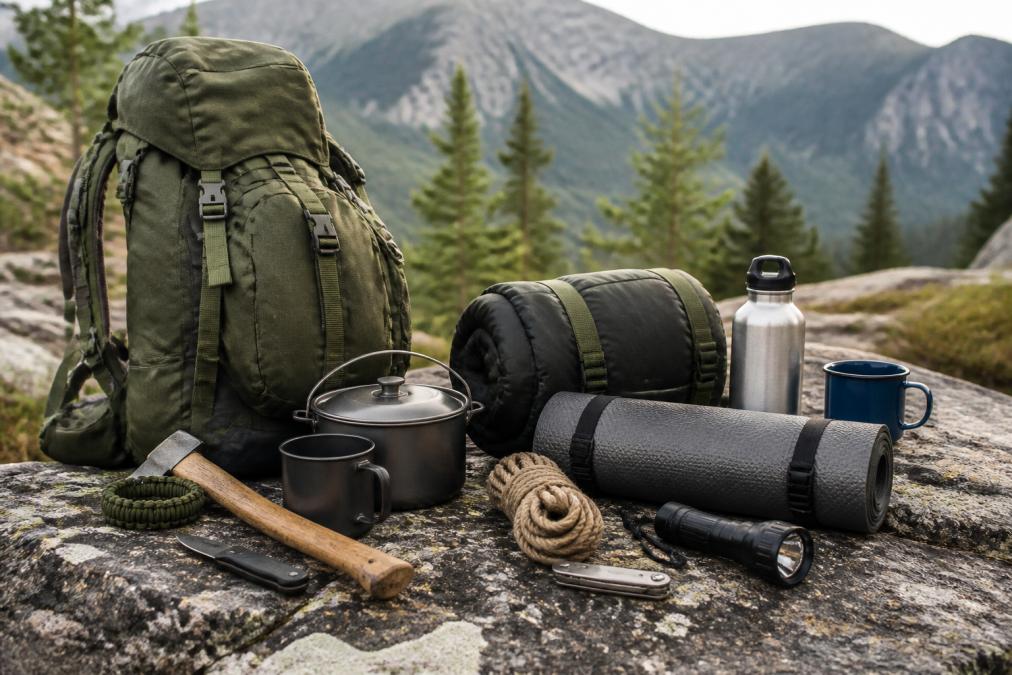
 listicle
Durable Camping Equipment for Long Trips
Table of Contents
- Durable Camping Equipment That Withstands Extended Use
- Shelter: Tents Built for Multi-Week Expeditions
- Backpacks and Load Distribution for Long-Distance Hiking
- Cooking Systems and Food Preparation Gear
- How to Pack for Long-Term Camping
- Camping Gear Maintenance Tips for Extended Trips
- Essential Survival Tools for Camping
- Frequently Asked Questions
Last Updated: September 25, 2026
Durable Camping Equipment That Withstands Extended Use
Durable camping equipment for long trips must survive repeated use, challenging weather, and daily setup and breakdown. This means investing in rugged construction, weather-resistant materials, and thoughtful design.
Quality gear differs in material, construction, and real-world durability.
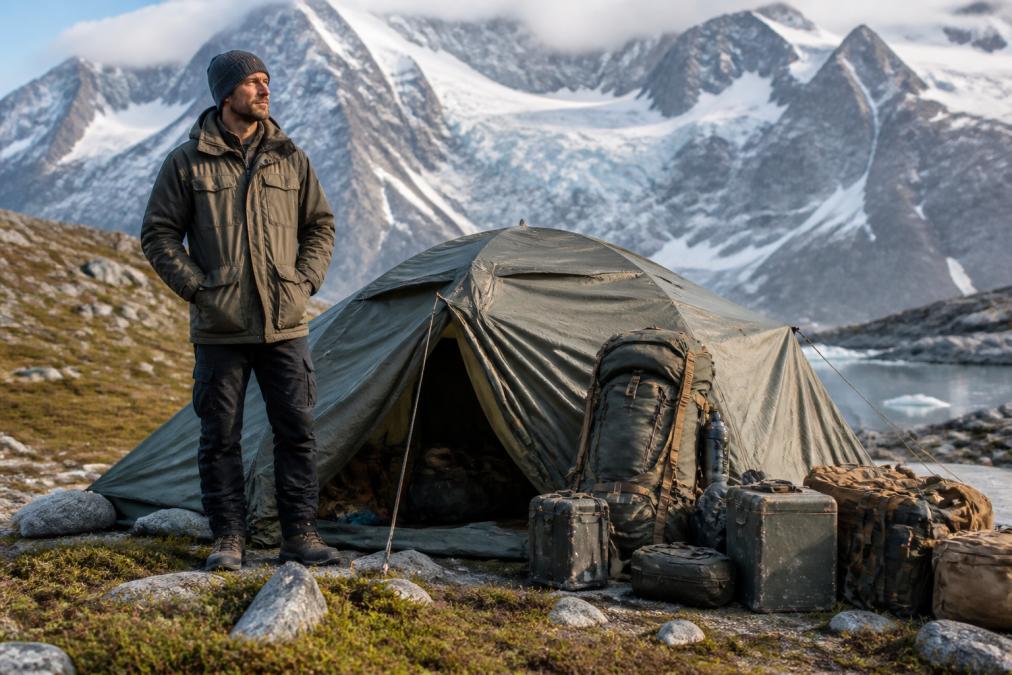
Experienced camper standing beside a fully loaded tent and weathered gear setup at a remote basecamp, with worn but functional equipment visible in natural daylight
Durable equipment shares key traits: reinforced seams, high-denier fabrics, quality zippers, and stress distribution rather than stress concentration.
Understanding failure points, seam separation, zipper jamming, fabric tears, and water infiltration, lets you evaluate gear critically.
Shelter: Tents Built for Multi-Week Expeditions
A tent is your most critical piece of durable camping equipment for long trips. The right tent keeps you dry and warm; a poor choice leaves you miserable or unsafe.
For extended camping, choose tents with welded seams, high-denier fabrics, and bathtub-style floors. For extended camping, choose tents with welded seams, high-denier fabrics, and bathtub-style floors.
Pros:
- Reliable weather protection for multi-day trips
- Simple construction means fewer failure points
- Affordable enough to replace if damaged
Cons:
- Heavier than ultralight backpacking tents
- Not ideal for weight-conscious long-distance hiking
For multi-week treks, ultralight tents save pounds but require careful handling. The weight-durability trade-off matters most on long trips where every ounce affects fatigue and injury risk.
Backpacks and Load Distribution for Long-Distance Hiking
Your backpack is arguably the most important piece of durable camping equipment for long trips, a failed pack mid-expedition leaves you stranded.
Quality packs spread weight to your hips rather than shoulders, over a week-long trip, this difference determines whether hiking is enjoyable or suffering.
Pros:
- Exceptional ventilation prevents sweat buildup on multi-day trips
- Highly adjustable for different torso lengths
- Built for sustained comfort over many miles
Cons:
- Heavier than ultralight-specific packs
- Premium pricing reflects the engineering
Quality packs spread weight to your hips rather than shoulders, over a week-long trip, this difference determines whether hiking is enjoyable or suffering.
Cooking Systems and Food Preparation Gear
Extended camping requires reliable cooking equipment. Failed systems leave you eating cold food or going hungry.
Extended camping requires reliable cooking equipment. Failed systems leave you eating cold food or going hungry.
Pros:
- Extremely fast boil time saves fuel and time
- Compact, all-in-one nesting design
- Reliable ignition in challenging conditions
Cons:
- Limited to boiling and simple heating
- Not suited for complex gourmet cooking
Pros:
- Extremely durable construction
- Organizes all kitchen gear efficiently
Cons:
- Heavy and requires vehicle transport
- Not portable for backpacking
How to Pack for Long-Term Camping
Stress-test equipment before your main expedition to validate that your gear survives sustained use.
Pre-Trip Gear Stress Testing
A tent working fine for one night may fail after seven consecutive nights; backpack straps may chafe after 50 miles but feel fine after 5.
Conduct a shakedown trip 2-4 weeks before your main expedition using full gear for 3-5 consecutive days in similar conditions. This reveals problems while you're close to home:
- Tent durability test: Set up and break down daily; inspect seams, zippers, and fabric for stress points and condensation issues.
- Backpack fit validation: Carry your fully loaded pack for 8-10 hours daily and note shoulder, hip, or strap discomfort.
- Sleeping system performance: Sleep in your sleeping bag nightly; test warmth retention, zipper operation, and compression durability.
- Stove and cooking reliability: Prepare all meals using your camp stove; test ignition, fuel efficiency, and cookware stability.
- Water filtration consistency: Filter water multiple times daily and monitor flow rate and leak-free operation.
Problems discovered during shakedown trips can be fixed before your main expedition. Discovering failures during a week-long trip is far more serious.
Weight-to-Durability Trade-Offs
Long-distance expeditions force a choice: lighter or more durable gear.
Packing Strategy for Extended Trips
Packing Element | Purpose | Long-Trip Benefit |
|---|---|---|
Compression sacks | Reduce volume and protect gear | Keeps pack organized over weeks |
Weight distribution | Heavy items centered at mid-pack | Prevents fatigue and injury |
Category organization | Group similar items together | Faster setup and breakdown daily |
Redundant repair items | Extra cord, patches, tape | Fixes problems without cutting gear |
Shakedown trip validation | Test gear under real conditions | Identifies failures before main expedition |
Camping Gear Maintenance Tips for Extended Trips
Durable camping equipment for long trips requires active maintenance during your expedition to prevent failure.
Why Gear Fails on Extended Trips
Daily Field Maintenance Protocol
Tent inspection and repair:
- Inspect tent floor and walls for tears, punctures, or seam separation every morning before packing.
- Wipe down the interior with a dry cloth to remove condensation that promotes mold.
- Apply seam sealer immediately to separating seams; it dries in 24 hours and prevents water infiltration.
- Patch tears or punctures on both interior and exterior surfaces for maximum strength.
- Clean zippers with a soft brush and apply silicone-based lubricant if stiff.
Backpack maintenance:
- Check all stitching on straps, hip belt, and pack body for fraying; reinforce loose stitches immediately.
- Inspect compression straps and attachment points for wear.
- Wipe down the pack exterior to remove salt residue that accelerates degradation.
- Check the hip belt for cracks or separation; redistribute weight to shoulders temporarily if failing.
Sleeping bag care:
- Air out your sleeping bag in the sun every morning if weather permits; hang loosely to circulate air through insulation.
- Never pack your sleeping bag while damp; a damp bag loses 30-50% of insulation value and develops mold within days.
- Avoid compressing your sleeping bag in its stuff sack for more than a few hours; store loosely in your pack or hang outside when possible.
Stove and cooking gear:
- Inspect your stove for fuel leaks before each use.
- Clean the burner head with a soft brush to remove debris that reduces flame efficiency.
- Check all connections for tightness; vibration during transport can loosen them.
- Wipe down cookware to remove food residue that reduces heat transfer.
Water filtration system:
- Test your water filter's flow rate daily; decreasing flow indicates clogging and need for replacement or cleaning.
- Use the backflush valve daily if available to extend filter life.
- Inspect all connection points for leaks that waste water and contaminate your pack.
- Store the filter in a clean, dry location to prevent mold growth.
Clothing and footwear:
- Inspect boots daily for cracks, sole separation, or worn heel material.
- Air out socks and insoles daily to prevent blisters and fungal infections.
- Repair holes or tears in clothing immediately; they expand with movement.
Field Repair Kit Essentials
- Adhesive-backed nylon patches (multiple colors) for tent and backpack repairs
- Seam sealer for separated seams
- Duct tape wrapped around a pencil to save space
- Heavy-duty needle and thread (bring multiple needles)
- Replacement zipper slider for your tent or pack
- 10-20 feet of paracord for strap failures and attachment problems
- Spare tent pole segment matching your pole diameter
- Sleeping bag repair patch kit for down or synthetic insulation
- Spare fuel line and burner gasket for your stove
- Replacement water filter element if user-replaceable
When to Repair vs. When to Accept Limitations
Knowing which problems are repairable prevents wasted effort.
- Repairable in the field: Torn fabric, separated seams, zipper jamming, strap fraying, leaking seams, clogged water filters, loose hardware.
- Difficult or impossible to repair: Broken tent poles (splint temporarily but plan to exit early), complete zipper failure (can't be replaced without tools), structural backpack failure (hip belt or frame damage), sleeping bag insulation damage (temporary patch only).
Essential Survival Tools for Camping
Extended camping trips benefit from a comprehensive multi-tool and first-aid kit since you're far from help.
Frequently Asked Questions
What makes durable camping equipment different from budget gear?
Durable camping equipment uses weather-resistant materials, reinforced seams, and rugged construction designed to withstand repeated use and harsh conditions. Budget gear often fails after a few trips due to poor seam quality, thin fabrics, and weak attachment points. Look for features like welded floors in tents, high-denier nylon in backpacks, and stainless steel hardware. Equipment built to last typically costs more upfront but saves money over years of use.
How should you maintain camping gear maintenance tips for long-term durability?
Clean gear thoroughly after each trip, especially tents and sleeping bags exposed to moisture. Store equipment in cool, dry locations away from direct sunlight, which degrades fabrics. Inspect seams, zippers, and attachment points regularly for damage. Apply waterproofing treatments annually to tent floors and rain covers. Dry all gear completely before storage to prevent mold. Check backpack straps and hipbelts for wear, and replace them if fraying occurs. Proper maintenance extends equipment life by years.
What are the most important essential survival tools for camping on extended trips?
Essential survival tools include a multi-tool for field repairs, a first-aid kit for injuries, a headlamp with extra batteries for navigation, a compass and map for orientation, fire-starting materials like waterproof matches or a lighter, a water filtration system or purification tablets, and emergency shelter materials. These items address immediate needs: injury treatment, navigation, light, warmth, and water safety. Include a repair kit with duct tape, cord, and patches for gear fixes. Pack tools in waterproof containers and keep them accessible.
How do you choose durable camping equipment that actually lasts?
Examine materials first: look for high-denier nylon, GORE-TEX waterproofing, and stainless steel hardware. Check construction details like welded seams (stronger than stitched), reinforced stress points, and quality zippers. Research brand reputation and read reviews from users on multi-week trips, not just weekend campers. Compare weight-to-durability ratios to ensure the gear isn't unnecessarily heavy. Check warranty policies and repairability, which indicate manufacturer confidence. Test gear on short trips before committing to long expeditions.