 listicle
What Durable Camping Gear Should Kids Have?
Last Updated: October 24, 2026
Quick Summary
Durable camping gear kids need includes a quality tent with sealed seams, a sleeping bag matched to temperature and torso length, and a properly fitted backpack with reinforced stitching. Investing in well-constructed equipment with quality zippers and appropriate sizing ensures gear lasts multiple seasons and grows with your child.
- Match sleeping bags by height, not age; a bag should be no more than 6 inches longer than your child to prevent cold dead space
- Measure torso length from C7 vertebra to hip bones before buying any pack; this determines fit better than age
- Look for 600D nylon or polyester on pack bottoms and double-stitched seams at stress points like strap anchors
- Store tents loosely in mesh bags and sleeping bags lofted, never compressed, to prevent mold and insulation damage
- A properly fitted kids' pack should carry no more than 10-15% of the child's body weight to prevent strap and seam failure
Table of Contents
- Why Durable Camping Gear for Kids Matters
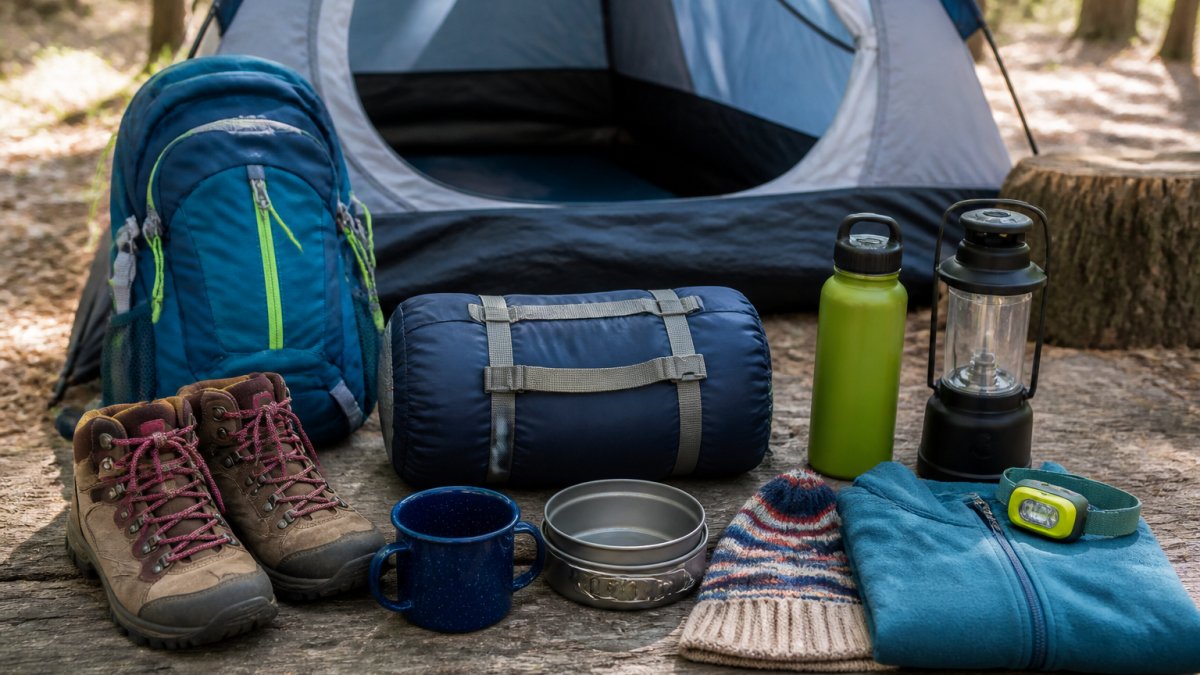
- Essential Kids Camping Checklist by Category
- Best Kids Sleeping Bags for Camping That Last
- Selecting a Kids Camping Backpack for Multi-Season Use
- Camping Gear for Toddlers: Durability Meets Safety
- Materials, Construction, and Repair: What Makes Gear Last
- Care and Storage to Extend Gear Life
- Start Your Family's Camping Adventure
- Frequently Asked Questions
Why Durable Camping Gear for Kids Matters
Investing in durable camping gear kids need builds confidence and creates lasting memories. Reliable equipment keeps children focused on adventure instead of broken zippers, leaking tents, or uncomfortable sleep systems.
Families often buy the cheapest option, only to find a leaking tent seam or clumped sleeping bag insulation mid-trip.
Below, we cover what makes camping gear durable, which categories matter most, and how to extend its life.
Essential Kids Camping Checklist by Category
The real durability question is whether each item fits a child's age, size, and growth stage. Focus first on shelter, sleep systems, and lighting, then match each category to your child's measurements so gear lasts through multiple seasons instead of one growth spurt.
Shelter and Sleep Systems
A family tent rated for your climate and sized appropriately keeps everyone dry and warm.
Match a kids' sleeping bag's temperature rating to your typical camping season; a 20-degree bag works for three-season camping in most regions. Look for durable outer shells and insulation that won't compress unevenly.
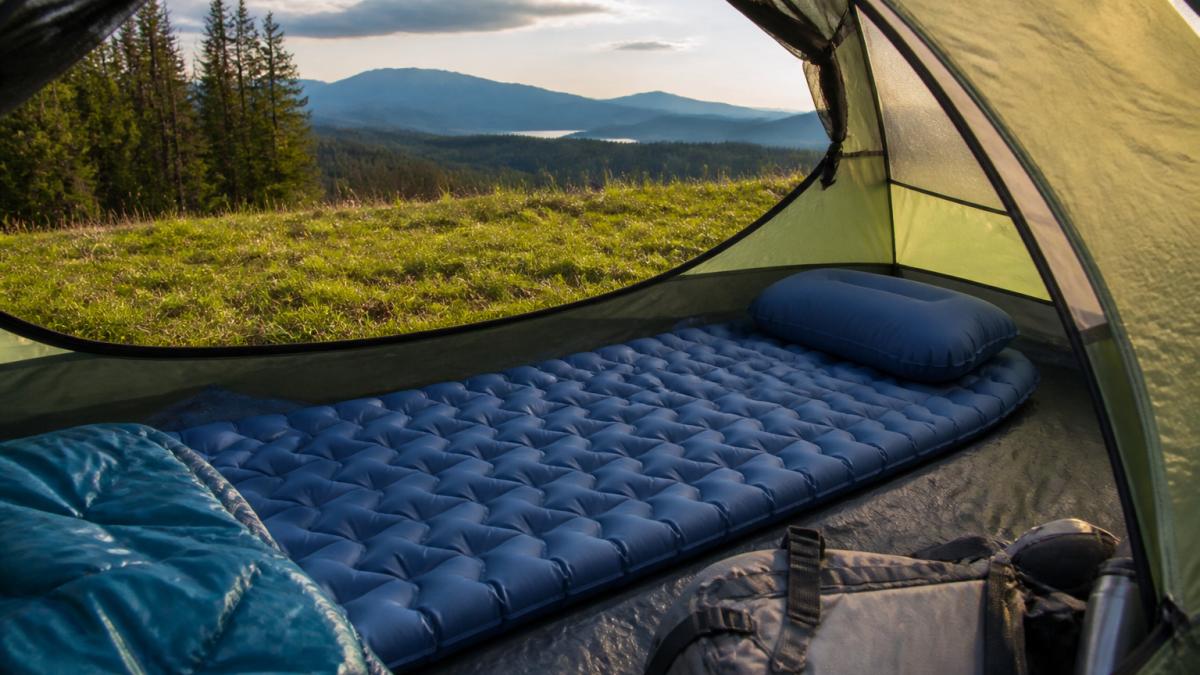
Sleeping pads provide insulation and cushioning. Closed-cell foam pads are durable and inexpensive but less comfortable; self-inflating pads offer a middle ground.
Lighting and Safety Gear
Headlamps give kids independence and safety around camp. LED models are brighter, last longer on batteries, and are more durable than incandescent versions.
Flashlights serve as backup and are easier for young children to handle; a sturdy, rubberized grip survives drops.
A basic first-aid kit tailored to your family is essential. Store it in a waterproof container with blister treatments, pain relievers, and any medications your children take regularly.
Packs and Carrying Gear
Best Camping Tents for Large Families(page:1) are essential, but so is helping kids carry their own gear. A day pack sized for a child's frame teaches responsibility and distributes weight properly.
Dry bags protect gear from water and keep items from getting lost. A waterproof stuff sack for a sleeping bag, a dry bag for clothes, and a smaller pouch for electronics keep everything functional in wet conditions.
Age and Size Matching: When to Buy Child-Specific vs. Adjustable Family Gear
The biggest durability mistake is buying child-specific gear too early or too late. Use these ranges as a starting point, then measure your child:
| Age Range | Torso Length | Pack Capacity | Sleep System | Key Fit Check |
|---|---|---|---|---|
| 2-4 (toddler) | 8-10 in | 5-10 L (carry-on only) | Toddler bag, 36-48 in long | Child can put it on and off alone |
| 5-7 | 10-12 in | 10-15 L | Kids' bag, 48-54 in | Hip belt sits on hip bones, not waist |
| 8-10 | 12-14 in | 15-20 L | Kids' or short adult bag | Shoulder straps wrap, not gap |
| 11-13 | 14-16 in | 20-30 L | Short adult bag (5'6" and under) | Load stays close to back |
| 14+ | 16-18 in | 30-40 L | Adult bag | Hip belt carries 80% of load |
Adjustable family gear often beats child-specific gear for durability and value. A pack with a adjustable torso length (typically 12-18 in of range) can serve a child from age 8 through the teen years. A short adult sleeping bag with a cinchable draft collar fits most kids over 8 and lasts into adulthood. Buy child-specific only when the fit gap is large, such as a toddler who cannot physically carry an adult-sized pack.
Safety Standards and Age-Specific Risks
Durability means nothing if the gear isn't safe for the child using it. A few age-aware checks matter more than any product claim:
- Sleeping bag temperature ratings: Ratings assume a pad with an R-value of at least 2 and a base layer. A bag rated to 20°F is not safe for a child in a 20°F night without those. For kids under 6, add 10°F of margin to any rating.
- Tent ventilation: Children produce less body heat but are more vulnerable to carbon monoxide from any fuel-burning device. Never use a catalytic heater or stove inside a tent, regardless of ventilation.
- Camp tool safety: Knives, hatchets, and fire starters should be used only under direct adult supervision until age 12, and stored out of reach otherwise. Choose tools with fixed blades and full-tang construction for durability and control.
A durable kit survives trips and fits the child using it. Match each category to age and size first, then apply the construction and care guidance later in this guide to extend its life.
Best Kids Sleeping Bags for Camping That Last
The sleeping bag is often where families see the biggest durability difference. A cheap bag loses loft after a few trips.
Temperature rating matters most. A 20-degree bag works for spring, summer, and fall camping; a 10-degree bag handles winter trips and cold mountain elevations.
Insulation type affects durability. Down is lightweight and compresses well but loses warmth when wet; synthetic retains warmth when damp and is more affordable.
Construction details determine lifespan.
Selecting a Kids Camping Backpack for Multi-Season Use
A properly fitted backpack makes the difference between a happy hiker and a miserable one; an ill-fitting pack causes shoulder pain, blisters, and resentment toward camping. But fit is only half the durability story.
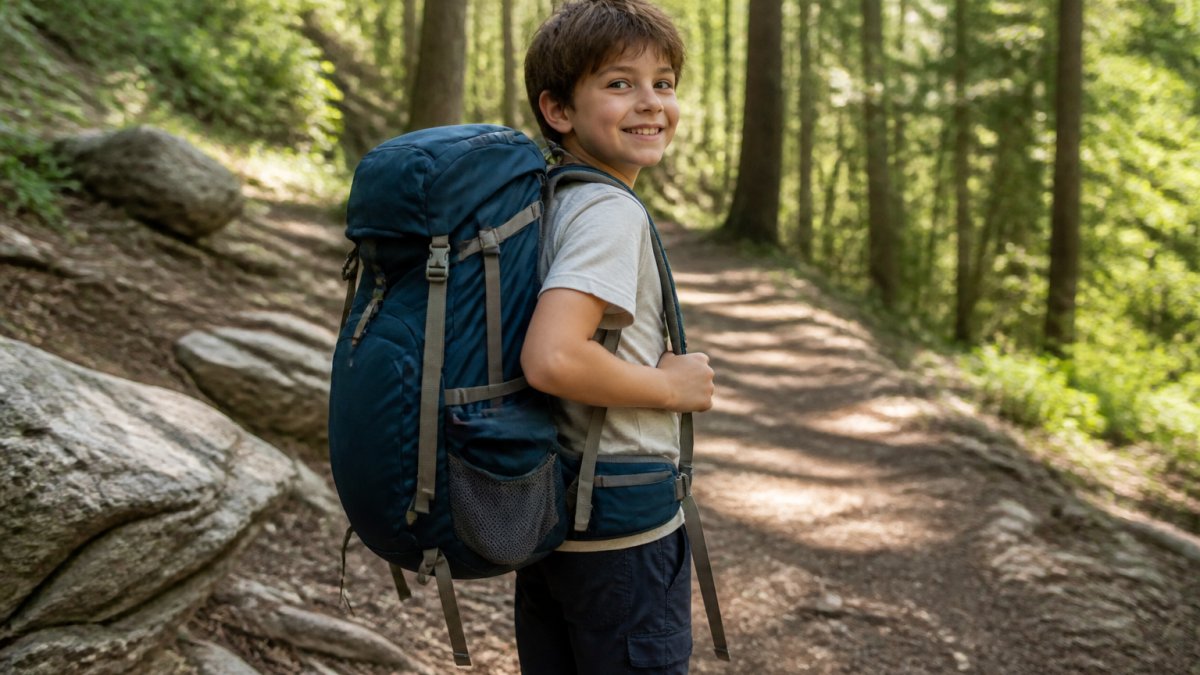
Fit Comes First: Torso Length, Not Age
Capacity matters less than comfort and fit. A 15-20 liter pack for ages 4-8 and a 20-30 liter pack for ages 9-14 handles day trips and light overnights.
Measure torso length before buying, from the C7 vertebra (the bump at the base of the neck) to the top of the hip bones.
Look for adjustable shoulder straps and a hip belt, which transfers weight to the hips where children can carry it comfortably.
Construction Details That Determine Lifespan
Durability comes from reinforced stress points, quality zippers, and thick fabric. Test zippers before buying; they should glide smoothly without catching.
- Fabric denier: Look for 200D-400D nylon or polyester on the body and 600D on the bottom. Higher denier resists abrasion; ripstop weave stops small tears from spreading. A 600D bottom is the single best durability upgrade for kids' packs.
- Stitching: Double-stitched seams at strap anchors, haul loops, and compression straps. Bar-tacks at stress points. Single-stitched seams at these points are the first failure.
- Zippers: YKK zippers with molded plastic sliders survive drops better than metal sliders, which can bend. Look for zipper garages or storm flaps to keep grit out.
Load Limits and Multi-Season Use
A pack rated for 15 liters will fail if loaded to 25. Respect the volume rating, since overstuffing stresses zippers and seams beyond what any construction can survive.
Adjustable family packs often beat child-specific packs for multi-season use. A 12-18 inch adjustable torso range can serve a child from age 8 through the teen years and be handed down to a sibling.
Simple Repairs That Extend Pack Life
Most pack failures are repairable. Patch a torn stuff pocket with adhesive repair tape, replace a broken buckle with a side-release buckle of the same width, and re-stitch a separated seam with a heavy-duty needle and polyester thread. Keep adhesive patches, a spare buckle, and a few feet of 1-inch webbing on hand to avoid replacing a pack with years of life left.
Camping Gear for Toddlers: Durability Meets Safety
Toddlers need gear that's both safe and rugged, with simpler, more intuitive designs.
A toddler-sized sleeping bag (usually 36-48 inches long) prevents them from rolling out at night.
Toddler backpacks are mostly for show since you'll carry most of their gear.
Clothing layers matter more for toddlers than older kids because they regulate temperature less efficiently.
Footwear for toddlers should be sturdy and waterproof.
Materials, Construction, and Repair: What Makes Gear Last
The difference between gear that lasts one season and gear that lasts five comes down to materials and construction.
Fabric durability depends on denier.
Stitching determines how long seams hold.
Zippers fail more often than any other component.
Why Cheap Camping Gear Fails Quickly: A Durability Guide(page:2) explains exactly how corners are cut and why they matter.
Repair extends gear life.
Care and Storage to Extend Gear Life
How you store gear between trips matters as much as the gear itself.
After each trip, air out your tent completely before storing it, since trapped moisture promotes mold and mildew.
Store sleeping bags lofted, not compressed, since compression damages insulation over time.
Empty and inspect backpacks after each trip.
Clean gear regularly but gently.
Keep repair supplies on hand: adhesive patches, replacement zipper sliders, and seam sealer.
| Gear Category | Expected Lifespan | Key Care Practice | Replacement Trigger |
|---|---|---|---|
| Family tent | 5-10 years | Air dry after each trip; store loosely | Seams leak; floor punctures |
| Kids sleeping bag | 3-5 years | Store lofted; air out after trips | Insulation compresses unevenly |
| Backpack | 4-7 years | Inspect zippers; wipe exterior | Straps tear; zippers jam consistently |
| Sleeping pad | 2-4 years | Store flat; avoid sharp objects | Punctures leak; insulation compresses |
| Headlamp | 2-3 years | Replace batteries; clean lens | LED dims; battery contacts corrode |
Start Your Family's Camping Adventure
Choosing durable camping gear for kids sets your family up for years of outdoor adventures.
Start with the essentials: durable camping gear kids rely on, including a solid tent, quality sleeping bags, and comfortable packs. Add lighting and safety gear.
The Camping Gear Guy makes it simple to find durable camping gear designed specifically for families. Our fast, user-friendly shopping experience connects you with high-quality equipment at affordable prices.
Frequently Asked Questions
What camping gear does a child need for their first trip?
Start with the essentials: a child-sized sleeping bag, sleeping pad, backpack, headlamp, and weather-appropriate clothing. Add a tent if you're car camping, or rely on a family tent if backpacking. A first-aid kit, water bottle, and sun hat round out the basics. The Camping Gear Guy carries all these items in kid-friendly sizes and quality levels that survive multiple seasons of use.
How do you choose durable camping gear for kids?
Look for reinforced seams, thick fabrics, and quality zippers, these are the first things to fail on budget gear. Check for brand reputation and customer reviews mentioning longevity. Choose gear with room to grow; a sleeping bag or pack that fits now but allows space for growth extends its useful life by years. Materials matter: ripstop nylon and polyester blends resist tears better than thin cotton or low-denier synthetics.
What should kids pack for a family camping trip?
Beyond gear, pack extra socks (feet get wet), a lightweight rain jacket, a warm layer, and a flashlight or headlamp. Include a basic first-aid kit, sunscreen, insect repellent, and toiletries. Bring a water bottle or hydration system. For comfort, add a camp pillow and a favorite toy or book. A camping checklist helps ensure nothing is forgotten and reminds you to test gear before the trip.
Are kids' camping tents worth buying separately?
For car camping and family trips, a larger family tent works well and saves money. For backpacking or when kids want their own space, a small kids' tent teaches independence and creates a cozy sleeping area. Kids' tents are typically lighter and easier for children to set up, building confidence. If your family camps regularly, a dedicated kids' tent pays for itself in durability and use over time.
How can you make camping comfortable for kids?
Invest in a quality sleeping pad and sleeping bag rated for the season, cold, uncomfortable nights discourage future camping. Bring camp chairs sized for kids so they're not sitting on the ground. Pack snacks and familiar foods. Plan activities like hiking, games, and exploration. Comfort items like a camp pillow or favorite blanket help children sleep better. Durable gear that performs well (waterproof tents, reliable lights) removes frustration and improves the experience.