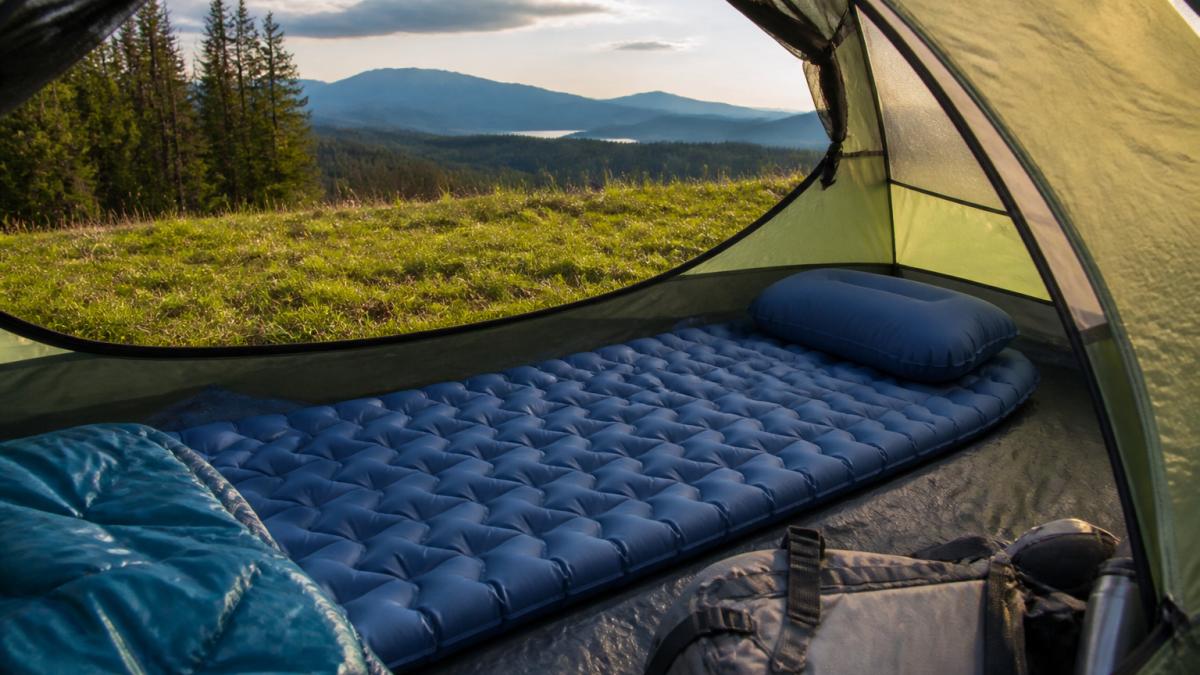
 listicle
Best Quality Camping Sleeping Pads: 2026 Guide
Table of Contents
- What Makes a Quality Camping Sleeping Pad
- Sleeping Pad R-Value Guide: Understanding Thermal Resistance
- Types of Sleeping Pads: Air, Self-Inflating, and Closed-Cell Foam
- How to Choose a Sleeping Pad for Side Sleepers
- Top Quality Sleeping Pads Reviewed
- Durability, Maintenance, and Long-Term Performance
- Frequently Asked Questions
Last Updated: October 4, 2026
What Makes a Quality Camping Sleeping Pad
A quality camping sleeping pad does far more than cushion you from the ground. It insulates you from earth's cold, keeps moisture at bay, and determines whether you wake refreshed or stiff and miserable.
The difference between a pad that lasts one season and one that lasts a decade comes down to materials, seam quality, and how well the valve system holds air. Budget pads often fail at the seams or develop slow leaks within months. Mid-range options balance comfort with durability.
Your sleeping pad choice affects everything else on your trip. A poor pad forces you into an uncomfortable sleeping bag, wastes body heat, and leaves you exhausted before day two. The right pad works with your sleeping bag, your sleeping style, and your camping environment to deliver consistent, reliable sleep night after night.
Sleeping Pad R-Value Guide: Understanding Thermal Resistance
R-value measures how well a sleeping pad resists heat loss. Higher R-values mean better insulation for cold conditions. The scale runs from 1 (summer camping only) to 7+ (extreme cold and mountaineering). Understanding R-value is essential because it determines whether your pad keeps you warm or leaves you shivering.
How R-Value Affects Cold-Weather Performance
R-value directly impacts your comfort in cold temperatures. A pad with an R-value of 2 works fine for summer backpacking when ground temperatures stay above 50°F. Drop to 30°F, and you need at least 4.0. Winter camping below 20°F demands 5.5 or higher. The relationship is straightforward: as temperature drops, you need higher R-value to maintain warmth.
The physics behind R-value involves how the pad's materials resist conduction (heat transfer through direct contact with cold ground) and convection (heat loss through air movement inside the pad). Closed-cell foam, self-inflating pads, and insulated air pads all approach this differently, but all measure their effectiveness the same way: R-value.
Matching R-Value to Your Season and Climate
Three-season camping (spring, summer, fall) typically requires R-values between 2.0 and 4.0. Summer-only trips can work with 1.5 to 2.5. Winter camping and cold-weather expeditions need 5.0 or higher. Your specific location matters too. Camping in the mountains means colder nights than camping at sea level, even in the same season.
A practical approach: choose a pad with R-value slightly higher than your expected minimum temperature. This buffer accounts for aging (pads lose insulating efficiency over time), unexpected cold snaps, and individual cold tolerance. If you camp year-round, consider owning two pads: a lightweight three-season option and a dedicated winter pad.
Types of Sleeping Pads: Air, Self-Inflating, and Closed-Cell Foam
Each pad type trades comfort, weight, packability, and durability differently. Understanding these tradeoffs helps you choose the right category for your camping style.
Inflatable Pads: Weight and Packability
Inflatable pads pack smaller than any other type, making them ideal for backpackers who count every ounce. They use thin, high-tech materials (often TPU or nylon) with internal baffles that trap air and create insulation.
The tradeoff: inflatable pads are vulnerable to punctures. A sharp stick, rocky ground, or careless handling can create a slow leak. They also require a pump or lung power to inflate, which takes time at camp. Repair kits are essential, and patching a hole in the field is doable but tedious.
Despite these drawbacks, inflatable pads dominate among serious backpackers because the weight savings compound over long trips. For thru-hikers covering 20+ miles daily, an extra pound matters. For weekend campers, the benefits shrink considerably.
Self-Inflating Pads: Balance of Comfort and Convenience
Self-inflating pads combine foam core with an air chamber. Open the valve, and the foam expands, pulling in air automatically. You can top off the air with a few breaths. This hybrid design offers genuine comfort (thicker than most inflatables) with easier setup than pure foam pads.
Self-inflating pads sit in the middle ground: heavier than inflatables, more packable than closed-cell foam, more comfortable than either. They're also more durable than inflatable-only designs because the foam core provides structural support even if the air chamber loses pressure.
The catch is bulk. A self-inflating pad won't compress as small as an inflatable, making it less ideal for ultralight backpacking. For car camping and moderate backpacking, though, this type delivers the best balance of comfort, ease of use, and reliability.
Closed-Cell Foam Pads: Durability and Reliability
Closed-cell foam pads are the simplest design: solid foam that you roll up or fold accordion-style. No valves to fail, no punctures to repair, no inflation needed. They're virtually indestructible and work in any temperature.
The downside is weight and bulk. A closed-cell foam pad takes up significant space in your pack and adds noticeable weight compared to inflatables. Comfort is minimal because the foam is thin and firm. Many experienced campers carry a closed-cell foam pad as a lightweight backup or emergency pad, not as their primary sleeping system.
For car camping where weight doesn't matter, or for budget-conscious beginners, closed-cell foam pads make sense. They're cheap, durable, and require zero maintenance. Just don't expect luxurious comfort.
How to Choose a Sleeping Pad for Side Sleepers
Side sleepers face a specific challenge: their hips and shoulders need more support than back or stomach sleepers.
Side sleepers should prioritize thickness and firmness. Look for pads at least 2.5 inches thick, ideally 3 inches or more. The extra cushioning prevents your hip bone from pressing into the ground.
Inflatable pads with higher air pressure work well for side sleepers because you can adjust firmness by adding or removing air. Self-inflating pads in the 3-inch range also work, though they're less adjustable.
Test a pad in the store if possible, or order from retailers with generous return policies. Lie on it on your side for a few minutes. Your hip should feel supported, not compressed.
Top Quality Sleeping Pads Reviewed

Best Overall: NEMO Tensor All-Season
The NEMO Tensor All-Season is the best quality camping sleeping pad for most backpackers. It combines genuine warmth (5.4 R-value), excellent comfort (3.5 inches of loft), and reasonable weight in one well-engineered package. The quiet, non-crinkly fabric means you won't disturb a tent mate every time you shift position.
The Tensor's baffle construction distributes insulation evenly and prevents cold spots where baffles meet. The valve system is intuitive and reliable. At around the $200 mark, it's a serious investment, but the pad justifies the cost through years of reliable use.
The one limitation: it's not the lightest option and not the most affordable. If ultralight weight is your priority, look elsewhere. If budget is tight, the Switchback (below) offers more value.
Pros:
- Excellent warmth-to-weight ratio
- Quiet fabric construction
- Reliable valve system
- Durable materials
Cons:
- Higher price point
- Heavier than ultralight alternatives
Best Budget Option: NEMO Switchback
For campers who want durability without premium pricing, the NEMO Switchback delivers. This closed-cell foam pad is virtually indestructible, works in any temperature, and costs around $55. It's the pad you throw in your car without worrying about punctures or damage.
The Switchback won't win comfort awards. The foam is thin and firm, and it takes up real pack space. But for car camping, emergency backup, or learning the basics before investing in better gear, it's hard to beat. Many experienced campers own a Switchback specifically because it's so reliable.
Pros:
- Extremely affordable
- Indestructible and puncture-proof
- No maintenance required
- Works in all temperatures
Cons:
- Minimal comfort
- Bulky when packed
- Heavier than inflatable alternatives
Best Ultralight: NEMO Tensor Elite
The NEMO Tensor Elite strips the Tensor down to its essentials, shedding weight through advanced ultralight materials and a minimalist design. It delivers the same 5.4 R-value in a pad that weighs significantly less, making it ideal for thru-hikers and weight-conscious backpackers.
The tradeoff is price. At around $250, the Elite costs more than the standard Tensor. You're paying for engineering that shaves ounces without sacrificing warmth. For a 20-mile day, every ounce counts. For weekend trips, the standard Tensor makes more sense.
Pros:
- Extremely lightweight
- High-quality materials
- Excellent insulation for the weight
Cons:
- Premium pricing
- Less durable than heavier alternatives
- Requires careful handling
Best for Cold Weather: Exped Ultra 6.5R
The Exped Ultra 6.5R is built for serious cold. Its 6.5 R-value handles temperatures well below freezing, making it the choice for winter camping and high-altitude mountaineering. The pad uses advanced insulation technology to deliver extreme warmth without excessive weight.
This is a specialized pad for specific conditions. If you camp in warm or moderate climates, the 6.5 R-value is overkill. For winter expeditions or alpine mountaineering, it's the right choice. Exped's reputation for quality construction means the pad will survive years of demanding use.
Pros:
- Category-leading warmth for extreme cold
- Compact and packable
- Reliable construction
Cons:
- Premium pricing
- Overkill for three-season camping
- Specialized for specific use cases
Best for Car Camping: Exped MegaMat
The Exped MegaMat prioritizes comfort above all else. It's a self-inflating pad with extra-thick cushioning, soft fabric, and genuine bed-like feel. For car camping where weight and pack size don't matter, it's the closest thing to sleeping at home.
The MegaMat is too bulky for backpacking and too heavy for anything beyond basecamp use. But if your camping trips involve a car and a campsite where you stay multiple nights, the comfort justifies the bulk. You'll sleep better, wake less stiff, and genuinely enjoy the sleeping experience.
Pros:
- Unmatched comfort
- Easy setup (self-inflating)
- Durable construction
Cons:
- Too bulky for backpacking
- Heavier than other options
- Takes up significant car space
Durability, Maintenance, and Long-Term Performance
A quality camping sleeping pad should last five to ten years with proper care. Durability depends on materials, construction, and how you treat the pad.
Inflatable pads are most vulnerable to punctures. Store them in a clean, dry place away from sharp objects. Inspect seams and the valve regularly.
Self-inflating pads last longer because the foam core provides structural support even if the air chamber fails. The main failure point is the valve.
Closed-cell foam pads are the most durable. They don't degrade significantly over time.
All pads benefit from proper storage. Keep them in a cool, dry place.
Choosing the right quality camping sleeping pad transforms your camping experience.
At The Camping Gear Guy, we offer a wide selection of quality camping sleeping pads.
Frequently Asked Questions
What is the most comfortable type of sleeping pad for camping?
Comfort depends on your camping style. Inflatable air pads like the NEMO Tensor All-Season offer superior cushioning for backpacking, while self-inflating pads balance ease of setup with reasonable comfort. For car camping, thick self-inflating pads or luxury options like the Exped MegaMat provide the most comfort. Side sleepers benefit from thicker pads (3+ inches) that reduce pressure points. Test different types before committing to find what suits your body and sleep position best.
How do I choose the right R-value for a sleeping pad?
R-value measures thermal resistance and insulation. For three-season camping (spring through fall), an R-value of 2.0-3.0 works well. Winter camping requires 4.0-5.0+. Cold sleepers should aim higher on the scale. The NEMO Tensor All-Season's 5.4 R-value handles cold weather effectively, while budget pads offer lower R-values suitable for warm-season use. Check your typical camping conditions and sleeping bag rating to ensure your pad provides adequate ground insulation without overpaying for unnecessary warmth.
Are inflatable or foam sleeping pads better for camping?
Both have merits. Inflatable pads offer superior comfort, packability, and weight efficiency, making them ideal for backpacking and thru-hiking. They excel in warmth-to-weight ratio and quiet performance. Closed-cell foam pads like the NEMO Switchback are nearly indestructible, require no inflation, and work reliably in extreme conditions without puncture risk. Self-inflating pads combine benefits of both. Choose based on your priorities: comfort and packability favor inflatables; durability and simplicity favor foam. Many experienced campers carry both for different trips.
How long should a high-quality sleeping pad last?
Quality sleeping pads typically last 5-10+ years with proper care. Closed-cell foam pads like the NEMO Switchback are nearly indestructible and last indefinitely if stored correctly. Inflatable pads are more vulnerable to punctures but high-end models with reinforced construction and durable valve systems extend lifespan significantly. Proper maintenance, keeping clean, storing dry, avoiding sharp objects, and checking seams regularly, directly impacts longevity. Store pads loosely (not compressed) during off-season, and repair small leaks immediately to prevent degradation.