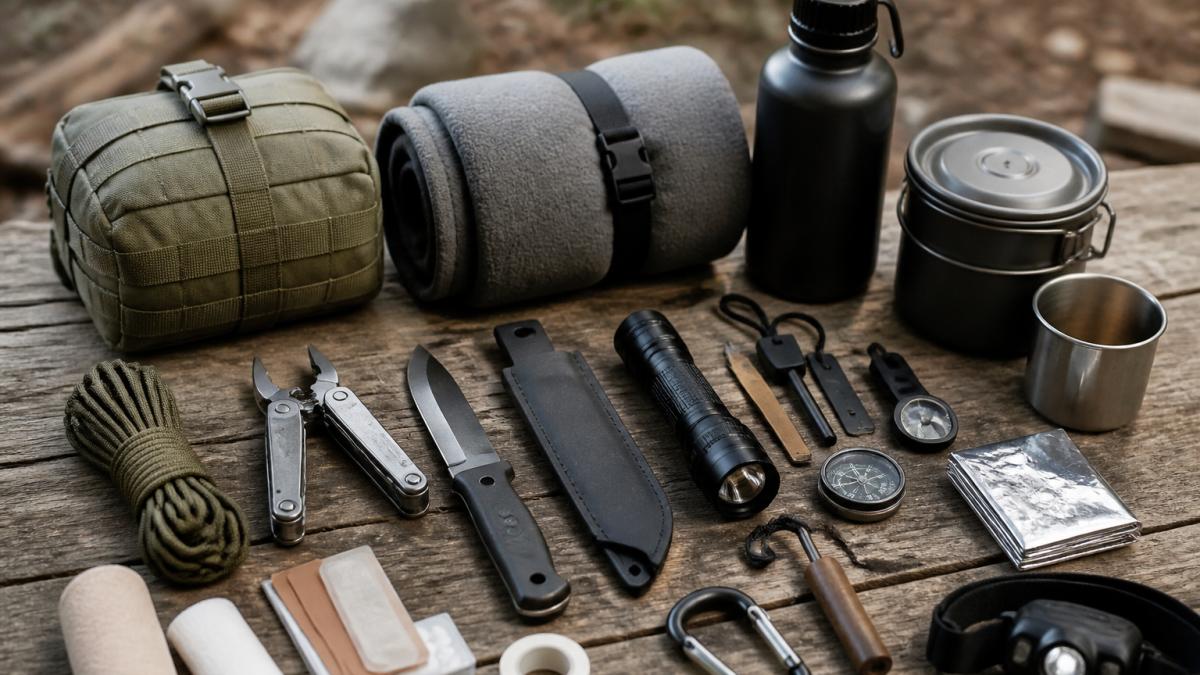
 listicle
Essential Survival Tools for Camping: A 2026 Guide
Table of Contents
- What Are Essential Survival Tools for Camping?
- Quick Comparison Table: Top Survival Tools
- Understanding the 5 C's of Survival
- Fire Starting Equipment That Works When You Need It
- Water Purification Systems for Safe Drinking
- How to Pack a Survival Bag: Step-by-Step
- Building Your Camping Survival Kit Checklist
- Weight-to-Utility Ratio: Choosing Gear That Earns Its Place
- Frequently Asked Questions
Last Updated: October 1, 2026
What Are Essential Survival Tools for Camping?
When you're miles from civilization, the difference between a manageable situation and a crisis often comes down to what's in your pack. Essential survival tools for camping aren't luxury items, they're the gear that keeps you alive when things go wrong. Whether you're dealing with unexpected weather, an injury, or getting turned around on the trail, having the right equipment transforms panic into problem-solving.
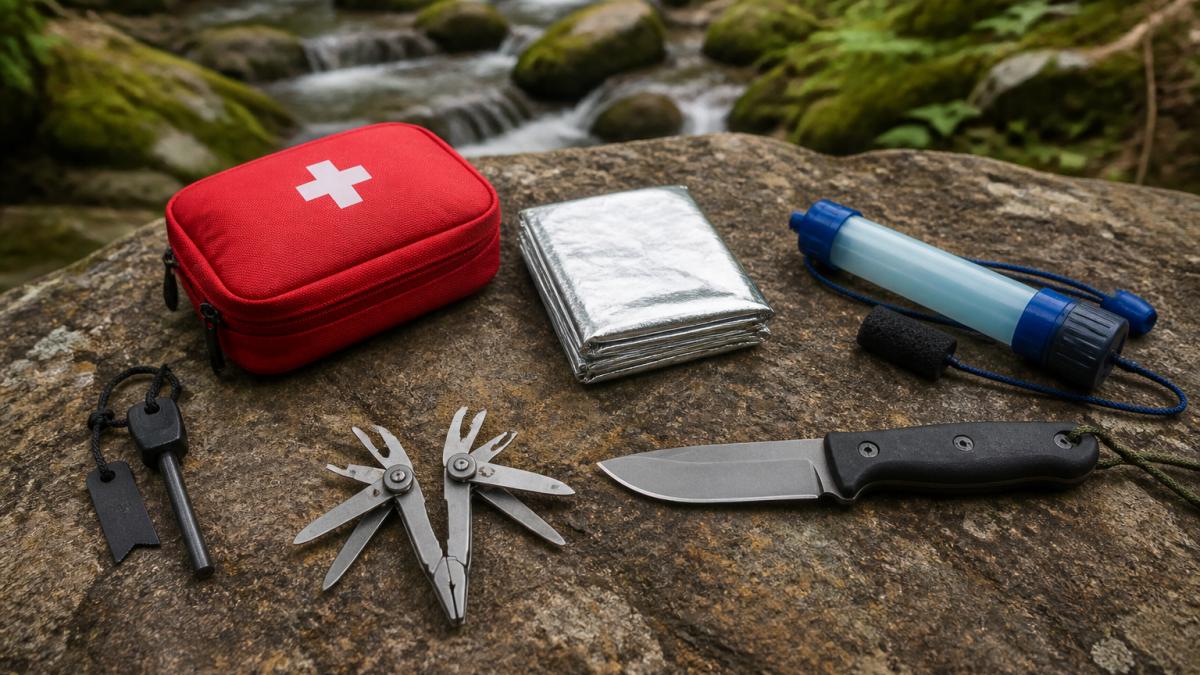
At The Camping Gear Guy, we offer a wide selection of gear, from comfortable sleeping supplies to essential survival tools, all at affordable prices. The key is understanding that survival tools serve different purposes, and the right combination depends on your specific camping scenario.
Most people overpack survival gear they'll never use or skip critical items because they don't understand their purpose. This guide cuts through that confusion by focusing on tools that earn their place in your pack through genuine utility and reliability.
Quick Comparison Table: Top Survival Tools
| Tool | Primary Purpose | Weight | Best For | Key Advantage |
|---|---|---|---|---|
| Ferro Rod | Fire starting | 1 oz | All camping scenarios | Works when wet or at altitude |
| Multi-Tool | General repairs | 6 oz | Camp maintenance | 18 integrated tools |
| Water Filter | Purification | 3 oz | Backcountry trips | Filters 100K gallons |
| Emergency Blanket | Heat retention | 0.5 oz | Emergency situations | Reflects 90% body heat |
| Survival Knife | Heavy-duty tasks | 7 oz | Bushcraft activities | Lifetime durability |
| Machete | Clearing brush | 20 oz | Base camp setup | Dual-edge design |
Understanding the 5 C's of Survival
The framework that separates prepared campers from those who panic is built on five core principles: Cutting tools, Combustion (fire-starting), Cover (shelter), Container (water), and Cordage. These five categories encompass nearly everything you need to stay alive in the backcountry.
Cutting tools include knives, machetes, and multi-tools that let you process firewood, prepare food, and build shelter. Combustion means reliable fire starters, ferro rods, matches, and lighters that work in harsh conditions. Cover refers to emergency shelter and insulation like bivvies and thermal blankets. Container is your water purification system, which prevents dehydration and illness. Cordage rounds out the essentials with paracord and rope for securing gear and building shelter.
Understanding these five categories helps you avoid the amateur mistake of buying random gadgets that look cool but don't address real survival needs. Every tool in your pack should fit into at least one of these categories. If it doesn't, it's probably taking up space that could be used for something more critical.
Fire Starting Equipment That Works When You Need It
Fire is non-negotiable. It provides warmth, purifies water, signals rescuers, and boosts morale. The problem is that lighters fail in wind and rain, and matches get wet. This is where ferrocerium rods become essential.
A ferro rod produces sparks hot enough to ignite tinder even after being submerged. The real advantage is reliability, there's nothing to malfunction except your striking technique, which improves with practice.
Stormproof matches offer a backup layer. Keep them in a waterproof case with extra strikers. The combination of a ferro rod plus stormproof matches means you have multiple ignition methods, which is the survival principle of redundancy.
Most campers make the mistake of relying on a single fire-starting method. Wind extinguishes lighter flames. Moisture ruins standard matches. A ferro rod plus backup matches covers nearly every scenario you'll encounter.
Water Purification Systems for Safe Drinking
Contaminated water causes illness that can turn a camping trip into a medical emergency. Giardia and cryptosporidium are common in backcountry water sources and cause debilitating symptoms days after exposure. This is why water purification isn't optional, it's foundational.
A water filter removes bacteria and protozoa. At just 3 ounces, it's lightweight enough to justify its pack space. The system includes reusable squeeze pouches so you can fill them from any water source and drink directly from the pouch or squeeze water into a container. The filter element lasts for decades if you maintain it properly, making it cost-effective over time.
Boiling water is the traditional method and works perfectly, it kills everything. The tradeoff is fuel consumption and time. A water filter lets you drink safely from streams and lakes without waiting for water to cool. For multi-day trips where you're moving between water sources, a filter is more practical than carrying enough fuel to boil all your drinking water.
The one limitation: filters don't remove dissolved chemicals or heavy metals, which are rare in pristine backcountry sources but possible near mining areas or agricultural land. For most camping scenarios, a quality water filter is your best defense against waterborne illness.
How to Pack a Survival Bag: Step-by-Step
Building your survival bag isn't about random accumulation, it's about systematic organization. Start by assessing your camping scenario: day hike, overnight trip, multi-day expedition, or emergency preparedness at a base camp. Your bag contents shift based on this decision.
Step 1: Choose your container. A small daypack works for day hikes. For overnight trips, use a backpack with at least 20 liters of capacity. At base camp, a duffel bag or larger container is fine since weight matters less.
Step 2: Add fire-starting tools. Pack a ferro rod, stormproof matches in a waterproof container, and a lighter. These three items weigh almost nothing and address your combustion need completely.
Step 3: Include a cutting tool. A multi-tool handles most camp tasks. For serious bushcraft, add a fixed-blade knife. Choose based on your trip type, day hikers can skip the dedicated knife and rely on the multi-tool.
Step 4: Pack water purification. A water filter is a standard choice. Include a backup purification method like iodine tablets or boiling capability.
Step 5: Add emergency shelter and insulation. An emergency bivvy or thermal blanket weighs almost nothing and provides critical protection.
Building Your Camping Survival Kit Checklist
Your camping survival kit checklist depends on trip duration and distance from help. A day-hike kit differs from a multi-day backcountry kit, which differs from a base-camp emergency kit. Use this framework to build the right kit for your specific situation.
Day Hike Survival Kit:
- Ferro rod and striker
- Waterproof matches
- Multi-tool
- Water filter or purification tablets
- Emergency blanket
- Basic first aid supplies
- Whistle
- 25 feet paracord
- Headlamp with extra batteries
Overnight Backcountry Kit:
- All items from day-hike kit
- Fixed-blade knife
- Larger first aid kit
- Emergency bivvy (instead of just blanket)
- Navigation tools (map, compass, GPS)
- Signaling mirror
- 50 feet paracord
- Emergency food rations
Base Camp Extended Trip Kit:
- All overnight items
- Machete for wood processing
- Additional cordage (100+ feet)
- Repair kit (duct tape, patches, sewing supplies)
- Expanded first aid kit
- Water containers (multiple)
- Cooking equipment
Weight-to-Utility Ratio: Choosing Gear That Earns Its Place
Every ounce in your pack should justify its weight through genuine utility. This principle separates experienced campers from gear collectors. A ferro rod weighs 1 ounce and can start hundreds of fires. An emergency blanket weighs 0.5 ounces and can save your life. A multi-tool weighs 6 ounces and handles dozens of camp tasks. These items earn their place.
Frequently Asked Questions
What are the essential survival tools for camping?
Essential survival tools include a reliable knife or multi-tool, fire-starting equipment like a ferro rod, water purification system, emergency shelter (bivvy or blanket), first aid kit, navigation tools, and illumination. Your specific needs depend on trip duration, terrain, and group size.
What are the 5 C's of survival gear?
The 5 C's of survival are Cutting tools, Combustion devices, Covering (shelter), Container (water carrying), and Cordage. Cutting tools include knives and machetes for processing wood and clearing brush. Combustion means reliable fire starters like ferro rods or waterproof matches. Covering refers to emergency blankets or bivvies that reflect body heat. Containers hold water for purification. Cordage enables shelter building and emergency repairs. This framework ensures you prioritize gear that addresses fundamental survival needs.
How do I choose reliable survival gear for beginners?
Start with the 5 C's framework and prioritize durability over price. Look for gear with proven track records. Check weight specs carefully. Read reviews from experienced campers, not just marketing claims. Buy from retailers with strong return policies and customer service, so you can test gear on day trips before committing to extended wilderness trips.
What should be in a camping survival kit checklist?
A complete camping survival kit checklist includes: fire starters (ferro rod and waterproof matches), water purification (filter or tablets), cutting tools (knife and multi-tool), emergency shelter (bivvy and thermal blanket), first aid supplies, navigation (compass and map), signaling device (whistle), illumination (headlamp), cordage, and food. Adjust quantities based on trip length and group size, and practice using each tool before you need it.
How do I pack a survival bag efficiently?
Pack your survival bag by weight and access frequency: heavier items near your back, lighter items on top. Place fire starters and water purification in easy-reach pockets since you'll use them first. Keep your knife or multi-tool accessible on your belt. Store emergency shelter and first aid in separate, waterproof compartments. Use compression sacks to maximize space. Test your packed weight on a short hike before a longer trip. Organizing by function prevents fumbling during emergencies.