 how-to
How to Verify Authentic Camping Brands: A 2026 Guide
Table of Contents
- Why Verifying Authentic Camping Brands Matters
- Recognizing Consistent Logos and Brand Marks
- Inspecting Stitching, Seams, and Construction Quality
- Assessing Materials, Weight, and Overall Product Feel
- How to Verify an Outdoor Gear Seller
- Camping Gear Authenticity Checklist: Serial Numbers and Packaging
- Signs of Fake Camping Equipment to Watch For
- Understanding Camping Gear Warranty and Return Policy
- Frequently Asked Questions
Last Updated: October 12, 2026
Why Verifying Authentic Camping Brands Matters
Counterfeit camping gear floods online marketplaces. Fake tents fail in rain, bogus backpacks split at the seams, and knockoff sleeping bags don't keep you warm. The problem isn't just wasted money, it's safety.
At The Camping Gear Guy, we help customers navigate the camping equipment market safely. Learning how to verify authentic camping brands protects your investment and keeps your family safe.
Recognizing Consistent Logos and Brand Marks
Authentic camping brands maintain strict consistency across all products: crisp logos, matching font sizes, and uniform colors.
Counterfeit logos often show these red flags:
- Blurry or pixelated printing
- Inconsistent font weights or sizing
- Color variations between products
- Logos positioned slightly off-center
Compare official brand websites and authorized retailer photos with the product you're considering; authentic brands invest in professional photography that shows branding clearly.
Check tag placement too: real gear has tags sewn in specific locations with tight, even stitching, while counterfeit tags appear in different spots or use different attachment methods.
Inspecting Stitching, Seams, and Construction Quality
Construction reveals the difference between authentic and fake camping gear. Real equipment features tight, even stitching, reinforced seams, and cleanly finished edges.
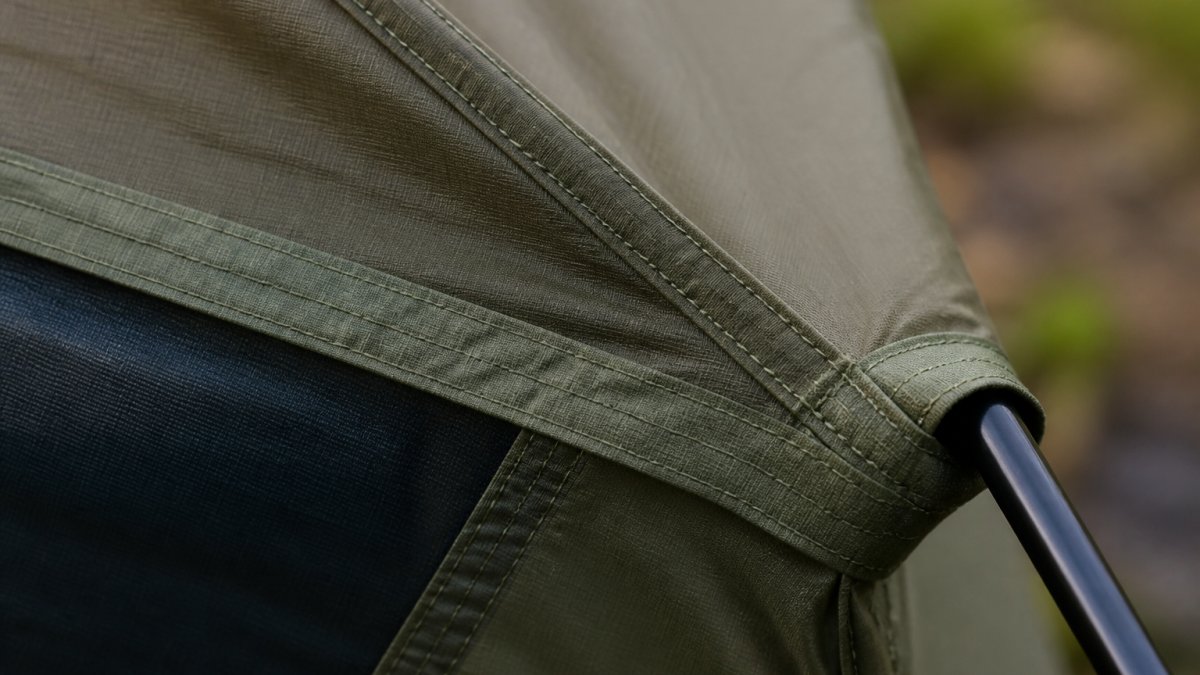
Counterfeit gear shows obvious construction problems:
- Loose or uneven stitching
- Skipped stitches or gaps
- Frayed thread ends
- Reinforced seams that look weak or thin
Run your fingers along seams. Authentic gear feels smooth, while loose threads or rough edges indicate poor manufacturing.
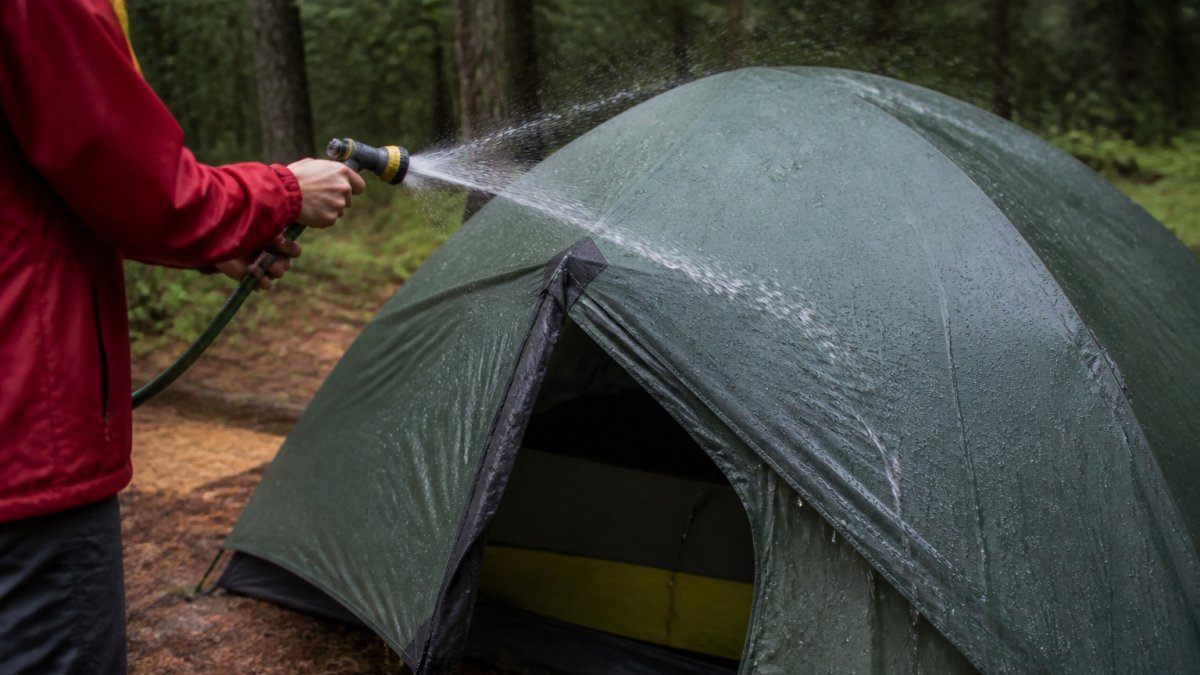
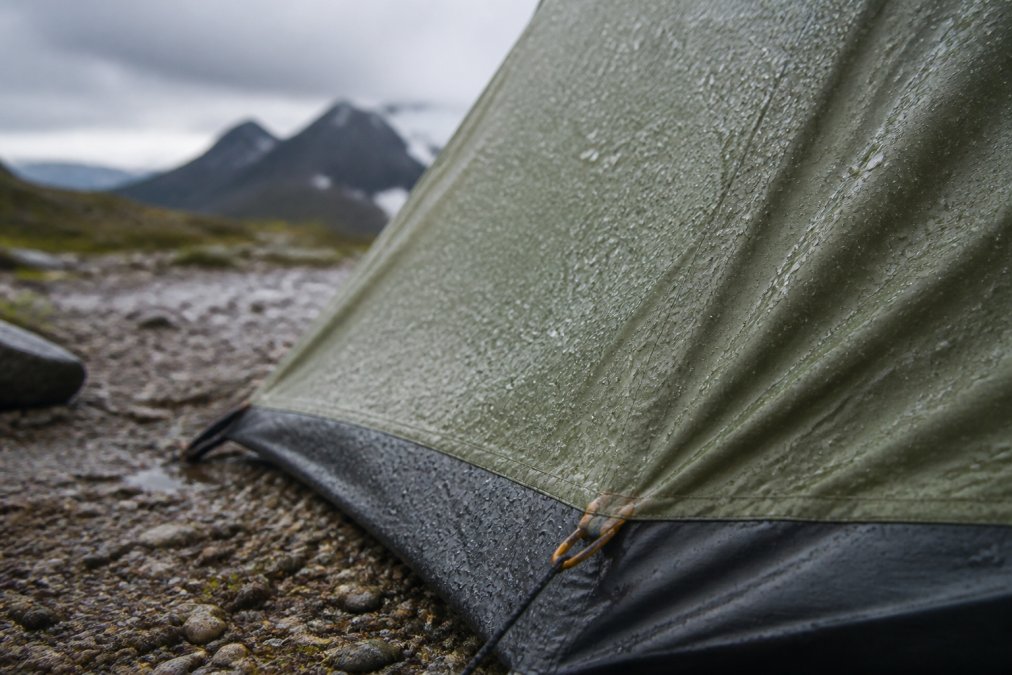
Genuine tents use sealed seams with waterproof tape applied on the interior; counterfeits skip this or apply tape unevenly.
Assessing Materials, Weight, and Overall Product Feel
Authentic camping brands use quality materials: substantial, durable fabric, smooth-gliding zippers, and solid hardware.
Pick up the gear and evaluate these qualities:
- Fabric weight and thickness
- Zipper smoothness and alignment
- Metal hardware quality
- Buckle and clasp durability
Counterfeits use cheaper materials that feel thin and flimsy, with sticking zippers, brittle plastic hardware, and buckles that crack under pressure.
Check the fabric closely. Real camping gear uses materials engineered for specific purposes: tent fabrics resist tears and water, backpack materials withstand abrasion, and sleeping bag linings feel soft and durable, with consistent texture and weight.
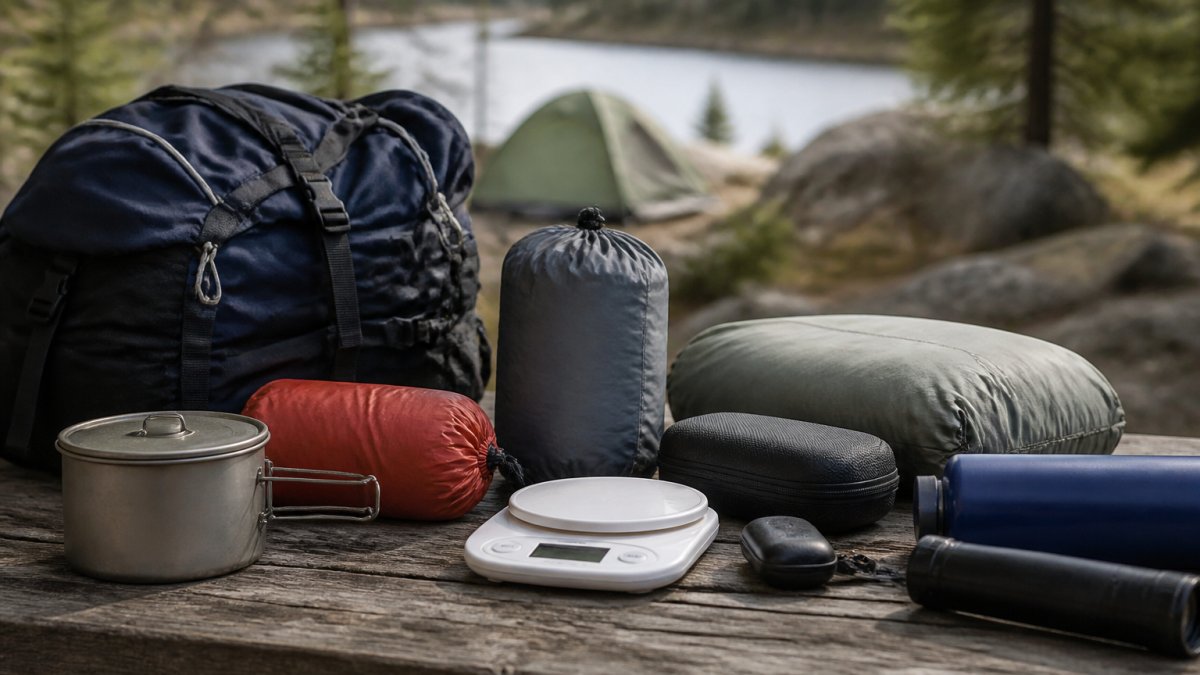
Lift the product and feel its balance: genuine gear distributes weight evenly, while counterfeits often feel unbalanced.
How to Verify an Outdoor Gear Seller
A seller can look professional and still be an unauthorized reseller or a front for counterfeit gear.
Check whether the seller is an authorized dealer. Most established camping brands publish a dealer locator on their official website.
On marketplaces, look beyond the seller's overall rating. Open the seller's storefront and check these signals:
- Business name and address. A real business has a verifiable name, address, and contact method. A seller with no address or only a generic contact form is a higher risk.
- Age and history. How long has the storefront been active? A seller that appeared recently and lists deep discounts on premium camping brands is a common counterfeit pattern.
- Catalog consistency. Does the seller specialize in outdoor gear, or do they list random categories like phone cases, pet supplies, and tents at the same time? Mixed catalogs are not automatically fraudulent, but they remove the reputation incentive that specialized retailers have.
- Return and warranty language. Read the actual policy, not the badge. Look for who pays return shipping, how many days you have, and whether the warranty is honored by the manufacturer or only by the seller.
Before you buy, ask the seller for the model number, country of manufacture, warranty administrator, and whether the item ships with original packaging and tags. Legitimate sellers answer directly; evasive or copy-pasted answers are a red flag.
Pay with a method that gives you dispute rights.
Finally, save everything: the listing page, seller name, order confirmation, tracking number, and all messages.
Camping Gear Authenticity Checklist: Serial Numbers and Packaging
Serial numbers, model codes, and packaging let you verify a specific item against the brand's own records instead of relying on how the logo looks. This checklist covers the identifiers to capture, how to verify them, and what to do when the trail goes cold.
Capture the product identifiers
Before you buy, ask the seller for clear photos of:
- Serial number or production code. Note the exact format, character count, and placement. On tents, this is often on a label sewn into the carry bag or inside the rainfly. On backpacks, check the tag inside the main compartment or under the lid. On sleeping bags, look at the tag near the footbox or on the stuff sack.
- Model number and model year. The model number should match the brand's current or archived product page. A model number that does not exist on the brand's site is a serious red flag.
- Batch or manufacturing date. Many brands use a date code that indicates the week and year of production. A brand-new listing with a manufacturing date several years old may be old stock, a return, or a counterfeit.
- UPC or barcode. Ask for a photo of the barcode and scan it with a barcode app. It should resolve to the correct product, not a different item or no result at all.
- QR code or authenticity label. Some brands include a QR code or a scratch-off authentication code. Scan it and follow the brand's verification page. Do not trust a QR code that leads to a third-party site instead of the brand's own domain.
Verify the identifiers with the brand
Once you have the identifiers, verify them through the brand, not the seller. Most major camping brands have a contact form, customer service email, or warranty page. Send a short message with:
- Photos of the product, tag, serial number, and packaging.
- The model number and where you bought it or plan to buy it.
- A copy of the receipt or order confirmation if you already purchased it.
- A direct question: "Can you confirm this serial number and model were produced by your company and are covered by your warranty?"
Brands with dealer networks can also confirm whether the seller is authorized. If the brand says the serial number does not exist, the model was never produced, or the seller is unauthorized, treat the item as counterfeit.
Check secondhand gear for provenance
Used gear adds another layer because labels can be removed, replaced, or worn away. When buying secondhand, ask for:
- Original receipt or proof of purchase. A receipt that matches the seller's name, the brand, and the model is the strongest provenance signal.
- Service and repair history. Repairs are not automatically bad, but they should be disclosed. Ask who did the repair and whether original materials were used.
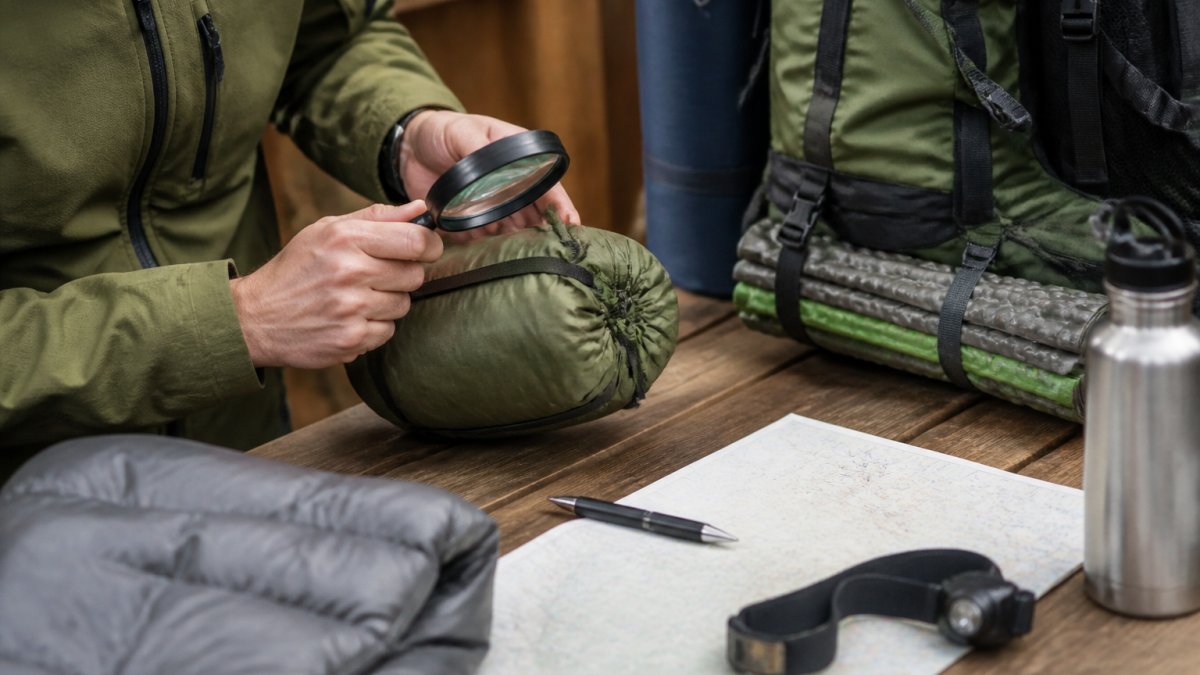
- Label condition. Check whether the serial tag looks original or has been re-stitched, glued, or partially removed. Altered labels are a common way to hide a counterfeit or a stolen item.
- Wear patterns. Wear should match the seller's story. A tent described as "used twice" should not have heavy UV fading, multiple patch repairs, or a worn-through floor.
- Photos of the actual item. Stock photos are not enough for secondhand gear. Ask for dated photos of the serial tag, seams, zippers, and any damage.
If the seller cannot or will not provide provenance for a high-value item, walk away.
What to do if the identifiers do not check out
If you discover that a product is counterfeit or that the serial number cannot be verified, act quickly:
- Stop using the gear. Counterfeit camping equipment can fail in ways that are dangerous, especially tents, climbing gear, and sleep systems.
- Document everything. Photograph the product, tags, packaging, listing, and all messages with the seller.
- Contact the seller in writing. Request a full refund and state that the item appears counterfeit. Keep the tone factual and include your evidence.
- Open a dispute with your payment provider. If the seller refuses, use your credit card or payment platform's dispute process. Include the brand's written response if you have one.
- Report the listing. Marketplaces have counterfeit reporting tools. Reporting the listing helps other buyers and creates a record.
- Notify the brand. Brands often want to know about counterfeits of their products. They may ask for photos and the seller's information, and some offer guidance on next steps.
- Leave a factual review. Describe what you received and what happened. Avoid speculation; stick to verifiable facts.
A verified serial number is not a guarantee, but combined with seller screening and manufacturer confirmation, it turns authenticity from a guess into a documented process.
Signs of Fake Camping Equipment to Watch For
Certain red flags appear consistently with counterfeit camping gear. Spotting them protects you before purchase.
Common counterfeit indicators include:
- Spelling errors on labels, tags, or packaging
- Poor quality printing or faded colors
- Inconsistent branding across the product
- Misaligned logos or graphics
- Missing or incorrect serial numbers
If something feels off about the product or seller, keep looking.
Watch for suspiciously cheap prices. If a tent costs 60% less than everywhere else, it's probably fake; real camping brands maintain consistent pricing across authorized retailers.
Pay attention to seller communication. Professional businesses respond clearly and promptly with detailed product information; sellers who dodge questions often have something to hide.
Understanding Camping Gear Warranty and Return Policy
Review these warranty elements:
- Coverage period and what's included
- Defect definitions and exclusions
- Claim process and documentation requirements
- Repair or replacement options
- Shipping and handling costs
Real camping brands offer generous return windows. Most allow returns within 30 days for any reason.
Read the warranty details carefully.
Contact the manufacturer directly with warranty questions. Authorized retailers can answer basics, but the brand provides definitive information.
Test the return process before buying if possible.
When you invest in camping gear, you're investing in your family's safety and comfort on outdoor adventures.
Frequently Asked Questions
How can you tell if camping gear is authentic?
Check for consistent logos and branding across all product labels and tags. Examine stitching quality, authentic camping gear has tight, even seams with reinforced joints. Verify the product weight matches manufacturer specifications, inspect material quality and feel, and confirm serial numbers or model codes on the product and packaging. Contact the manufacturer directly if you're uncertain. Counterfeit gear often has spelling errors on labels, poor construction, and vague branding details.
What should you do if you suspect camping gear is fake?
Stop using the equipment immediately and document everything with photos of logos, stitching, labels, and packaging. Contact the manufacturer with your evidence and ask them to verify authenticity. Report the seller to the marketplace (Amazon, eBay, etc.) or retailer where you purchased it. File a complaint with the Federal Trade Commission if the seller engaged in deceptive practices. Request a refund or replacement through the retailer's return policy. Keep all documentation for your records.
Is it safer to buy camping gear directly from the brand?
Buying directly from a brand's official website eliminates middleman risk and guarantees authenticity. However, reputable retailers and authorized distributors also sell genuine gear. Verify the seller by checking the brand's official website for a list of authorized retailers, confirming the seller has positive reviews, and confirming their return and warranty policies. When shopping online, look for secure checkout (https), clear contact information, and transparent shipping details. The Camping Gear Guy maintains strict sourcing standards and carries only authentic brands, making direct purchases from trusted retailers a safe option.
What are the top signs that camping equipment may be counterfeit?
Watch for spelling or grammar errors on labels and packaging, inconsistent logos or branding elements, unusually low prices compared to the brand's official website, poor stitching with loose threads or uneven seams, lightweight materials that feel flimsy, missing or illegible serial numbers and model codes, and vague or incomplete product information. Counterfeit tents often have weak zippers, poor waterproofing, and reinforced edges that don't match the brand's standards. Backpacks may have misaligned straps or low-quality hardware. If the product feels noticeably different from authentic gear you've owned, trust that instinct.