 how-to
How to Return Defective Camping Gear: A 2026 Guide
Table of Contents
- Step 1: Confirm the Defect and Check Your Return Window
- Step 2: How to Document Product Defects for a Successful Return
- Step 3: Contact the Retailer and Submit Your Claim
- Step 4: Understand Camping Gear Warranty Claims vs. Store Returns
- Step 5: Shipping Your Defective Camping Gear Back
- Step 6: Use Camping Gear Return Policy Templates to Track Your Claim
- Step 7: What to Do If Your Claim Is Denied: Escalation Paths
- Frequently Asked Questions
Last Updated: September 14, 2026
Step 1: Confirm the Defect and Check Your Return Window
Learning how to return defective camping gear starts with two facts: what's actually wrong, and how long you have to act. Most retailers set return windows between 30 and 90 days, while manufacturer warranties often run a year or longer. Miss the window and your options shrink fast.
The distinction matters because a manufacturing defect differs from wear and tear. A tent seam that split on the first pitch is a defect. A rainfly faded after three seasons is normal use. Retailers apply that line strictly, so establish it before you contact anyone.
Check your receipt, confirm the purchase date, and note whether you're inside the retailer's return window or the brand's warranty period.
Step 2: How to Document Product Defects for a Successful Return
Documentation is the single biggest factor in whether a claim gets approved. A common mistake is describing the problem in words only. Photographs settle disputes that written descriptions can't.
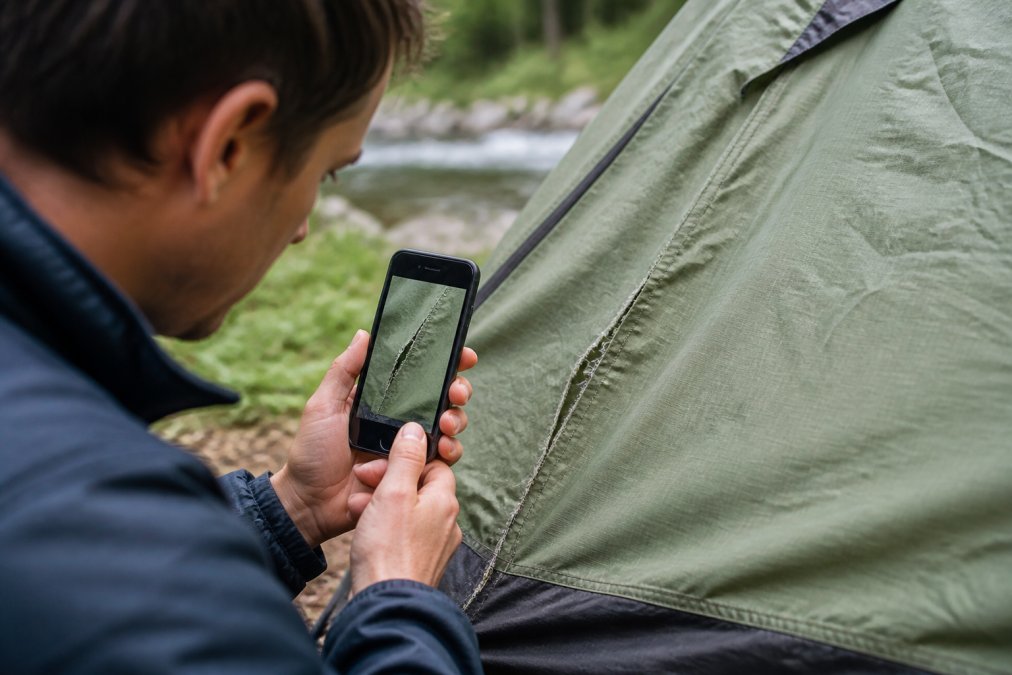
Here's the photographic evidence guide we recommend:
- Full product shot showing the item in its current condition
- Close-up of the defect with a coin or ruler for scale
- Serial number or batch code label, clearly legible
- Original packaging, if you still have it
- Receipt or order confirmation screenshot
- A short unboxing video if the damage was present on arrival
Label each file with the date and a one-line description. This photographic evidence trail speeds up claim validation and gives you use if a claim is denied.
Step 3: Contact the Retailer and Submit Your Claim
Reach out through the retailer's official customer support channel, not social media. Email or the website's contact form creates a written record you can reference later.
When you submit, include your order number, proof of purchase, and the photos from Step 2. State plainly what failed and when. Ask for a return authorization number before shipping anything back. Most retailers won't process a return without one.
Keep every reply. If a support agent promises a replacement unit or store credit, that written confirmation becomes your evidence if the process stalls. Follow up once a week if you don't hear back.
Step 4: Understand Camping Gear Warranty Claims vs. Store Returns
These are two different paths, and mixing them up wastes time. A store return goes through the retailer and usually results in a refund, exchange, or store credit. A warranty claim goes through the manufacturer and typically ends in a repair service or replacement unit.
| Path | Who Handles It | Typical Outcome | Best When |
|---|---|---|---|
| Store return | Retailer | Refund, exchange, store credit | Inside the return window |
| Warranty claim | Manufacturer | Repair or replacement | Past the return window |
| Shipping damage claim | Carrier plus retailer | Replacement or refund | Damage occurred in transit |
For camping gear warranty claims, expect to provide the same documentation plus proof of purchase date. Some manufacturers require you to register the product first, so check the paperwork that came in the box.
Step 5: Shipping Your Defective Camping Gear Back
Never ship before you have a return authorization and a return shipping label. Sending gear back unannounced is the fastest way to lose both the product and your refund. But the real challenge with camping gear isn't the paperwork, it's that a four-person tent, a 50-quart cooler, or a two-burner stove doesn't ship like a pair of socks. Here's how to handle the logistics without eating the cost.
Know the difference between actual and dimensional weight
Carriers like UPS, FedEx, and the USPS bill on whichever is greater: the actual weight of the package or its dimensional weight (length × width × height ÷ a dim divisor, commonly 139 for daily rates at UPS and FedEx). A tent that weighs 12 pounds but ships in a 30" × 12" × 12" box has a dimensional weight of about 31 pounds, and you'll be charged for 31. This is why collapsing poles, removing stuff sacks, and compressing fabric matters: every inch you shave off the box can drop you into a cheaper weight tier.
Choose the right carrier for the size
- Small accessories (headlamps, stakes, water filters): USPS Priority Mail or a flat-rate box is usually cheapest and includes tracking.
- Mid-size gear (sleeping bags, backpacks, boots): UPS Ground or FedEx Ground, especially if the retailer provides a prepaid label.
- Bulky gear (tents, coolers, camp furniture, canopies): UPS Ground or FedEx Ground are the standard choices, but check whether the retailer's prepaid label covers oversize surcharges. A cooler over 50 quarts or a box exceeding 48 inches on its longest side can trigger an Additional Handling or Large Package surcharge that runs $15-$30+ on top of base rate.
If the retailer issues a prepaid label, use it, you're not on the hook for surcharges. If you're paying out of pocket for a verified defect, ask the retailer in writing whether they'll reimburse shipping, and keep the receipt.
Pack it so the return survives transit
A return that arrives damaged can be denied as customer-caused damage. Pack defensively:
- Use the original box if you have it. Tent and cooler boxes are engineered for the product's weight and shape.
- If the original box is gone, use a double-wall corrugated box rated for the weight. A single-wall box will crush under a cooler.
- Wrap hard items (stove, poles, cooler handles) in bubble wrap or packing paper so they don't puncture the box from inside.
- Fill voids. A tent rattling inside a too-large box will shift and tear. Crumpled paper, air pillows, or foam peanuts eliminate movement.
- Tape all seams with packing tape, not masking or duct tape, which carriers can reject.
- Write the return authorization number on the outside of the box, near the label, in marker.
Document before you seal
- Photograph the packed box from multiple angles before closing it.
- Photograph the sealed box with the label and RA number visible.
- Keep the drop-off receipt and tracking number. A carrier scan is your proof of shipment if the retailer claims the package never arrived.
What to expect on timing and fees
Ground transit for bulky gear typically runs 3-7 business days each way. Once delivered, inspection usually takes 1-2 weeks. Restocking fees generally don't apply to verified manufacturing defects, but some retailers charge them on non-defective returns, confirm in writing before you ship. If you haven't heard anything two weeks after delivery confirmation, follow up with your tracking number and RA number.
Step 6: Use Camping Gear Return Policy Templates to Track Your Claim
A simple tracking template keeps your claim from falling through the cracks. Copy this into a notes app or spreadsheet:
Claim Tracker Product: _______ Order number: _______ Purchase date: _______ Defect description: _______ Return authorization number: _______ Date shipped: _______ Tracking number: _______ Support agent name: _______ Follow-up dates: _______ Outcome: _______
Log every call and email with the date and the name of the person you spoke to. If your claim escalates, this record shows a clear timeline of good-faith effort on your part.
Step 7: What to Do If Your Claim Is Denied: Escalation Paths
A denial isn't always final. Most denials trace back to a fixable gap: missing photos, an unclear defect description, or a claim filed against the wrong party (retailer vs. manufacturer). Before you escalate, get the reason in writing.
Step 1: Force a written denial reason
Call or email support and ask: "Please send me the specific reason for the denial in writing, along with the policy language you're relying on." A written denial does three things: it locks the retailer into a stated reason, it tells you exactly what to fix, and it becomes evidence if you escalate. Verbal denials are easy to walk back; written ones aren't.
Step 2: Rebut with documentation
If the denial cites "no proof of defect" or "outside return window," respond with your Step 2 photo set, your receipt, and, if you're past the store window, a warranty claim through the manufacturer instead. If the denial cites "customer damage," your unboxing video or arrival-day photos are the counter-evidence. Reply in the same thread so the paper trail stays intact.
Step 3: Escalate internally
- Ask for a supervisor or claims manager by name. Get their direct contact if possible.
- File a formal complaint through the retailer's website or customer relations department, not the general support queue.
- If the retailer is a marketplace seller (Amazon, Walmart Marketplace, eBay), open an A-to-z Guarantee, Marketplace Guarantee, or eBay Money Back Guarantee claim. These programs have their own deadlines, typically 30-90 days from delivery, and they override the seller's policy.
Step 4: Dispute the charge with your card issuer
If you paid by credit card and the product arrived defective, you may have a billing dispute right under the Fair Credit Billing Act (FCBA). Key mechanics:
- You must send a written dispute to your card issuer within 60 days of the statement on which the charge first appeared.
- The issuer must acknowledge your dispute in writing within 30 days and resolve it within two billing cycles (up to 90 days).
- While the dispute is open, you generally don't have to pay the disputed amount, and the issuer can't report it as delinquent.
- The FCBA applies to purchases over $50 and within your state or 100 miles of your billing address, though most major issuers extend protections beyond that.
Send the dispute by mail or through the issuer's secure message center so you have a timestamp. Include your receipt, the denial, and your photo documentation.
Step 5: Invoke state consumer protections
Every state has a consumer protection statute, and most states have adopted a version of the Uniform Commercial Code (UCC) that includes implied warranties, specifically the implied warranty of merchantability, which says goods must be fit for their ordinary purpose. A tent that leaks on first use arguably breaches that warranty regardless of what the retailer's return policy says. State attorneys general enforce these laws, and many have online complaint forms.
- File a complaint with your state attorney general's consumer protection division.
- Check whether your state has a "lemon law" equivalent for general goods (some do, most don't, but implied warranty claims still apply).
- Small claims court is a real option for lower-dollar gear; filing fees are typically $30-$100 and many states allow claims up to $5,000-$10,000.
Step 6: Federal complaints
- File a complaint with the Federal Trade Commission if you believe the return policy was misrepresented or the retailer engaged in deceptive practices. The FTC doesn't resolve individual disputes, but it builds patterns that drive enforcement.
- File with the Consumer Financial Protection Bureau if your issue is a billing dispute or a card issuer that mishandled your FCBA claim.
- For guidance on your rights under state law, check your state consumer protection office.
Know when to stop
Escalation has diminishing returns. If the gear is under $100 and the retailer has denied twice, a chargeback or small claims filing may cost more in time than the item is worth. If it's a $600 tent or a $400 cooler, the escalation ladder above is worth walking. Set a personal cutoff, two internal escalations, then a chargeback, so the process doesn't become a second job.
Frequently Asked Questions
Can I return defective camping gear after using it on a trip?
Yes, if the item is defective, you can return it even after use. A manufacturing defect is not normal wear and tear. For example, a tent that leaks at the seams on its first use is defective. Document the issue with photos and contact the retailer promptly. Most return policies allow returns for defective merchandise regardless of use, but check the specific return window.
What proof of purchase do I need for a warranty claim?
You typically need a receipt, order confirmation, or bank statement showing the purchase. Some manufacturers also require the original packaging, serial number, or batch code. If you bought from a retailer, they may have your purchase on file. Without proof of purchase, the claim may be denied. Always keep your receipt or save a digital copy.
How do I document a defect for a return?
Take clear photos and a short video showing the defect from multiple angles. Include close-ups of the damage and a wider shot showing the entire item. If possible, capture the serial number or batch code. Write a brief description of when and how the defect occurred. This documentation supports your claim and speeds up the process.
What is the difference between a store return policy and a manufacturer warranty?
A store return policy lets you return an item within a set window (e.g., 30 days) for a refund or exchange, often for any reason. A manufacturer warranty covers defects for a longer period (e.g., one year) and typically provides repair or replacement, not a refund. Check both: the store may handle the return if within the window, otherwise you may need to file a warranty claim.