 how-to
How to Pack Camping Gear Efficiently: A Step-by-Step Guide
Last Updated: October 22, 2026
Quick Summary
To pack camping gear efficiently, start with a written checklist organized by category, sort all gear into groups like shelter, clothing, and cooking supplies, then load items strategically based on weight and accessibility for your trip type.
- Create a camping checklist organized by nine categories: shelter, sleep system, clothing, food, cooking, safety, personal care, navigation, and extras.
- Use packing cubes and stuff sacks to group similar items together, making gear easier to find and protecting it during transport.
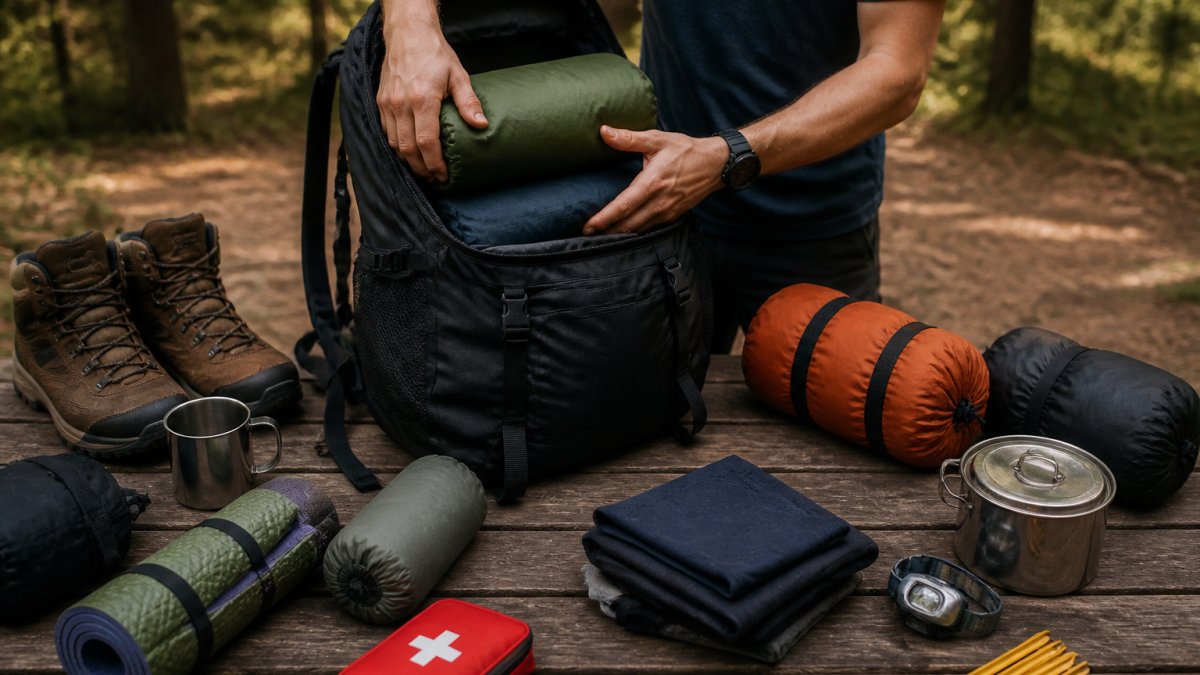
- For backpacking, place heavy items low and close to your back, mid-weight items in the middle, and light items on top to distribute weight over your hips.
- For car camping, load heavy bins centered on the floor, place long items along the sides, and keep frequently used essentials accessible in the back seat.
- A loaded backpack should weigh no more than 20-25% of your body weight to prevent injury and exhaustion on the trail.
Table of Contents
- Why Efficient Packing Matters for Camping Trips
- Create a Camping Gear Checklist Before You Pack
- Sort and Organize Your Gear by Category
- How to Pack a Backpack for Camping
- How to Pack a Car for Camping
- Camping Gear Storage Ideas for Between Trips
- Common Packing Mistakes to Avoid
- Final Tips for Stress-Free Camping Preparation
- Frequently Asked Questions
Why Efficient Packing Matters for Camping Trips
The difference between a smooth camping trip and a stressful one often comes down to how well you pack. When you know how to pack camping gear efficiently, you spend less time searching for items and more time enjoying the outdoors.
Disorganized packing leads to crushed tents, wet sleeping bags, and forgotten essentials, and it makes campsite setup take twice as long.
The strategies here work for car camping, backpacking, and family trips alike.
Create a Camping Gear Checklist Before You Pack
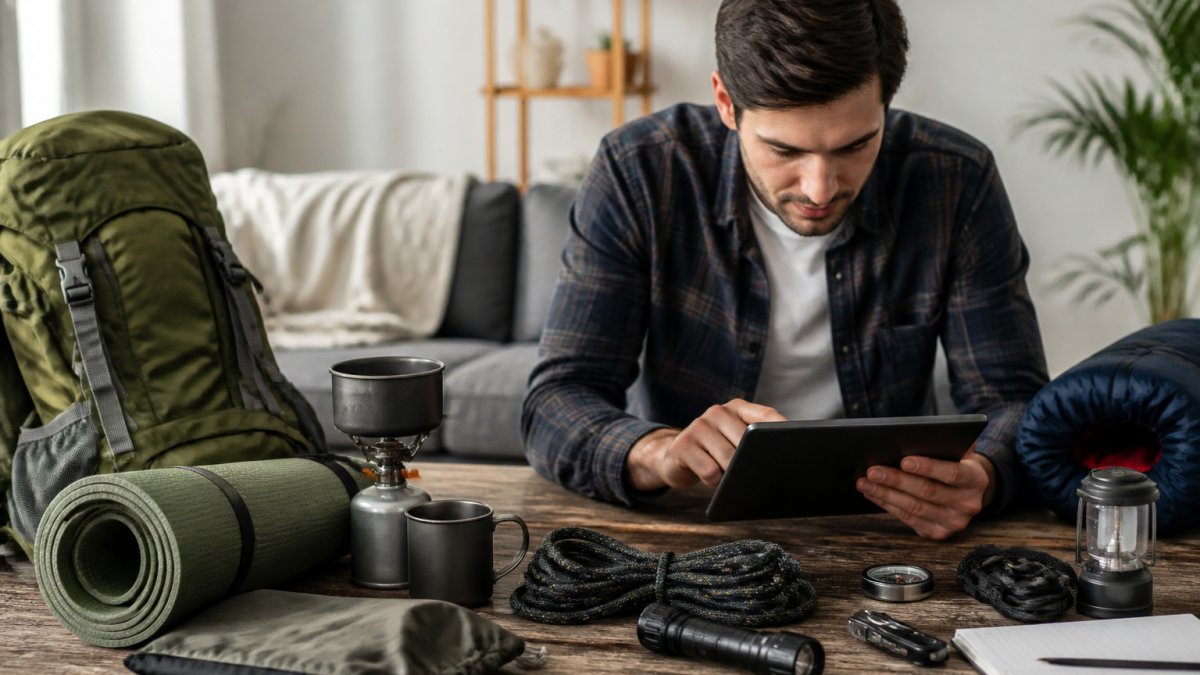
Start with a written checklist of everything you need to prevent last-minute scrambling and forgotten essentials.
Your camping checklist should include these categories:
- Shelter: tent, stakes, guylines, footprint
- Sleep system: sleeping bag, sleeping pad, pillow
- Clothing: layers, jacket, hat, gloves, socks, underwear
- Food and water: meals, snacks, water bottles, water treatment
- Cooking: stove, fuel, cookware, utensils, lighter
- Safety: first-aid kit, flashlight, headlamp, knife, whistle
- Personal care: toiletries, sunscreen, insect repellent, medications
- Navigation: map, compass, GPS device
- Extras: repair kit, duct tape, rope, trash bags
Adjust your checklist for each trip based on season, location, and length, a summer car camping trip needs different items than a winter backpacking adventure.
Keep your checklist in a phone note or printed binder, and check items off as you pack.
Sort and Organize Your Gear by Category
The key to efficient packing is grouping similar items together, which makes everything easier to find.
Gather all your gear in one space, a garage, driveway, or large room, and sort it into these main categories:
Shelter and Sleep System Group your tent, sleeping bag, sleeping pad, and pillows together. Keep tent stakes and guylines in a small bag attached to the tent stuff sack.
Clothing and Layering Separate clothes by type: base layers, insulating layers, outer shell, and accessories. Use packing cubes or small bags to keep each clothing type together.
Food, Water, and Cooking Supplies Keep all cooking gear in one container. Store food in airtight bags to prevent spills and pest problems. Water bottles should be empty until you reach the campsite.
Safety and First-Aid Essentials Keep your first-aid kit, flashlight, headlamp, knife, and emergency whistle in one waterproof container.
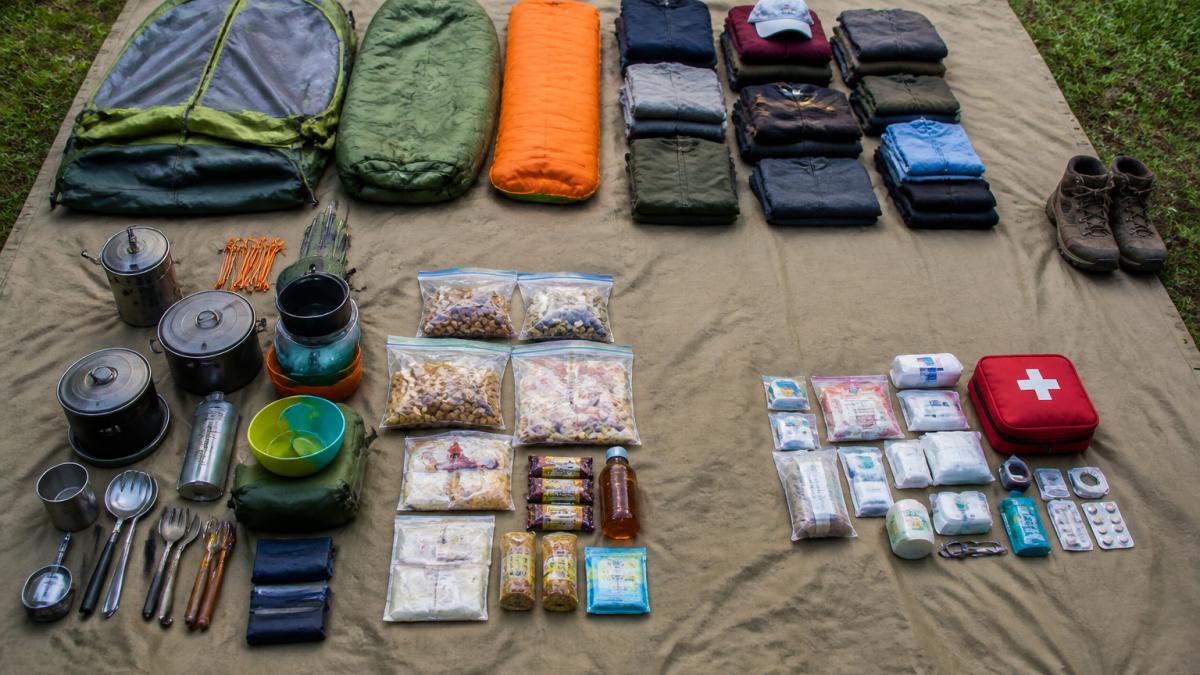
Organizing by category makes packing faster and ensures nothing gets lost in transit.
Shelter and Sleep System
Your tent and sleeping system take up the most space, so pack them strategically: stuff your sleeping bag into its compression sack, and place your sleeping pad next to it.
Keep your tent in its own stuff sack. Secure tent stakes in a separate small bag tied to the main sack so they don't puncture the fabric.
For car camping, these items go in the bottom of your vehicle or a dedicated bin. For backpacking, your sleeping system goes toward the middle or bottom of your pack for weight distribution.
Clothing and Layering
Use packing cubes to organize clothing by layer type, keeping everything compact and easy to find.
Pack base layers, insulating layers, and your outer shell separately, and roll clothes instead of folding them to save space.
For car camping, you can pack more clothing since space isn't limited. For backpacking, choose versatile pieces that work in multiple conditions.
Food, Water, and Cooking Supplies
Store food in airtight containers or sealed bags to prevent spills and keep pests away from your gear.
Pack cooking gear, stove, fuel, cookware, utensils, and lighter, in a dedicated container, separate from food.
Keep water bottles empty until you reach the campsite, then fill them from a clean source or treat stream or lake water.
Safety and First-Aid Essentials
Keep your first-aid kit in a waterproof container. Include bandages, pain relievers, blister treatments, tweezers, and any personal medications.
Pack your headlamp with extra batteries, keep a knife or multi-tool accessible, and include a whistle for emergencies.
Store all safety items in one container for quick access in an emergency.
How to Pack a Backpack for Camping
Packing a backpack efficiently means distributing weight so your hips carry the load, keeping essentials accessible, and minimizing volume.
Step 1: Choose the Right Size Backpack For overnight trips, a 40-50 liter pack works well; for longer trips, consider 60-70 liters. The pack should fit snugly against your back.
Step 5: Pack Light Items on Top Tent, rain gear, and other light items go on top, keeping weight off your lower back.
Step 6: Use Compression Straps and Stuff Gaps Tighten all straps to keep the pack stable, a loose pack shifts weight and causes discomfort.
Step 7: Test the Weight and Adjust Put on the pack and adjust the hip belt, most weight should rest on your hips, not your shoulders.
Volume-Saving Techniques for Backpacking
- Use a compression sack for your sleeping bag, it can cut volume by 30-50%.
- Repackage food into flat, stackable bags instead of bulky original packaging.
- Choose a tent with a compact stuff sack or split the tent between two hikers.
- Wear your bulkiest clothing on the trail instead of packing it.
When you pack camping gear efficiently for backpacking, the load feels balanced and your hike becomes enjoyable.
How to Pack a Car for Camping
Car camping allows you to bring more gear, but smart packing still matters.
Step 2: Load Long Items First Place your tent, camp chairs, and longer gear along the sides or against the back seat.
Step 3: Stack Lighter Items on Top Clothing, bedding, and camp chairs go on top of heavier items.
Step 4: Keep Frequently Used Items Accessible Place your first-aid kit, flashlight, snacks, and water where you can reach them without unloading everything.
Step 5: Secure Everything Use bungee cords or cargo nets to prevent items from shifting during driving.
Step 6: Don't Overload Keep weight distributed evenly. An overloaded vehicle handles poorly and wastes fuel.
Step 7: Plan for Weather and Road Conditions If rain is forecast, pack rain gear and a tarp in an accessible spot.
Loading Order Summary
- Heavy bins on the floor, centered.
- Long items along the sides.
- Lighter, softer items on top.
- Essentials in reach.
- Everything secured.
When you pack a car for camping with attention to weight and accessibility, the drive is safer and camp setup goes faster.
Camping Gear Storage Ideas for Between Trips
Proper storage extends the life of your gear and makes packing for the next trip easier.
Use Storage Bins Clear plastic storage bins let you see what's inside without opening them. Label each bin by category: shelter, sleep system, clothing, cooking, safety.
Keep Gear Dry Store everything in a cool, dry place. Moisture damages sleeping bags, tents, and electronic equipment.
Organize by Season Create separate bins for summer and winter gear. This reduces clutter and makes seasonal packing faster.
Store Items in Stuff Sacks Keep your sleeping bag, tent, and clothing in their original stuff sacks or compression bags. This protects them and saves space.
Create a Packing Station Dedicate a shelf or corner to your camping gear.
Check Gear Before Storage Clean your tent and sleeping bag before storing them. Make sure all zippers work and no damage needs repair.
Between-trip organization saves time and keeps your gear in excellent condition for years of camping adventures.
Common Packing Mistakes to Avoid
Learning what NOT to do helps you pack more efficiently.
Overpacking Clothing Most campers bring twice as many clothes as they need.
Forgetting a Packing List Without a checklist, you'll forget items and waste time searching for things you thought you packed.
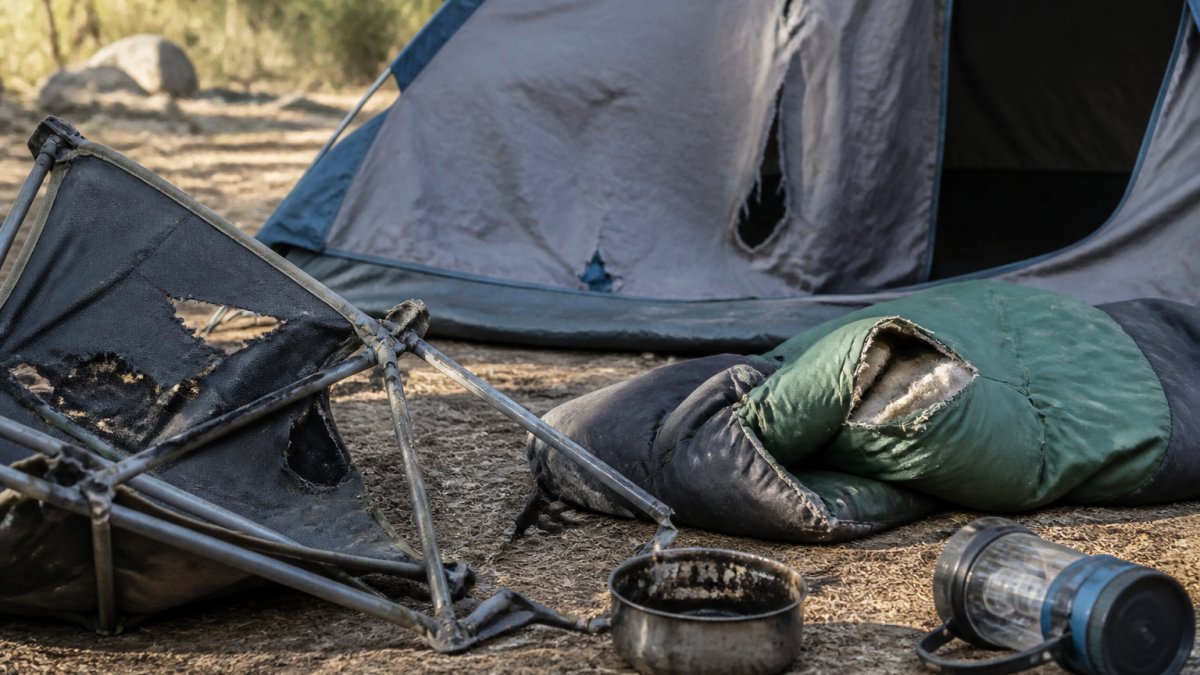
Packing Wet Gear Never store wet tents or sleeping bags. They develop mold and smell. Dry everything completely before packing it away.
Not Testing Your Backpack Put on your loaded backpack before the trip. If it feels wrong, adjust the weight distribution or remove items.
Mixing Categories Throwing random items into a single bag makes everything hard to find. Stick to your category system.
Ignoring Weight Limits A backpack that's too heavy causes injury and exhaustion. If your pack feels heavy, leave non-essentials behind.
Packing Fragile Items Loosely Wrap breakable cooking gear or electronics in soft items like clothing. This protects them from damage during transport.
Avoiding these common mistakes means your camping trips run smoothly and your gear lasts longer.
Final Tips for Stress-Free Camping Preparation
A few final strategies make the entire process easier.
Pack the Night Before Don't wait until the morning of your trip.
Use a Packing Checklist Template Create a master checklist for your typical camping trips. Modify it slightly for different seasons or trip types.
Invest in Quality Storage Containers Good storage bins protect your gear and make organization simple. They're worth the investment if you camp regularly.
Label Everything Use waterproof labels on storage bins and gear bags.
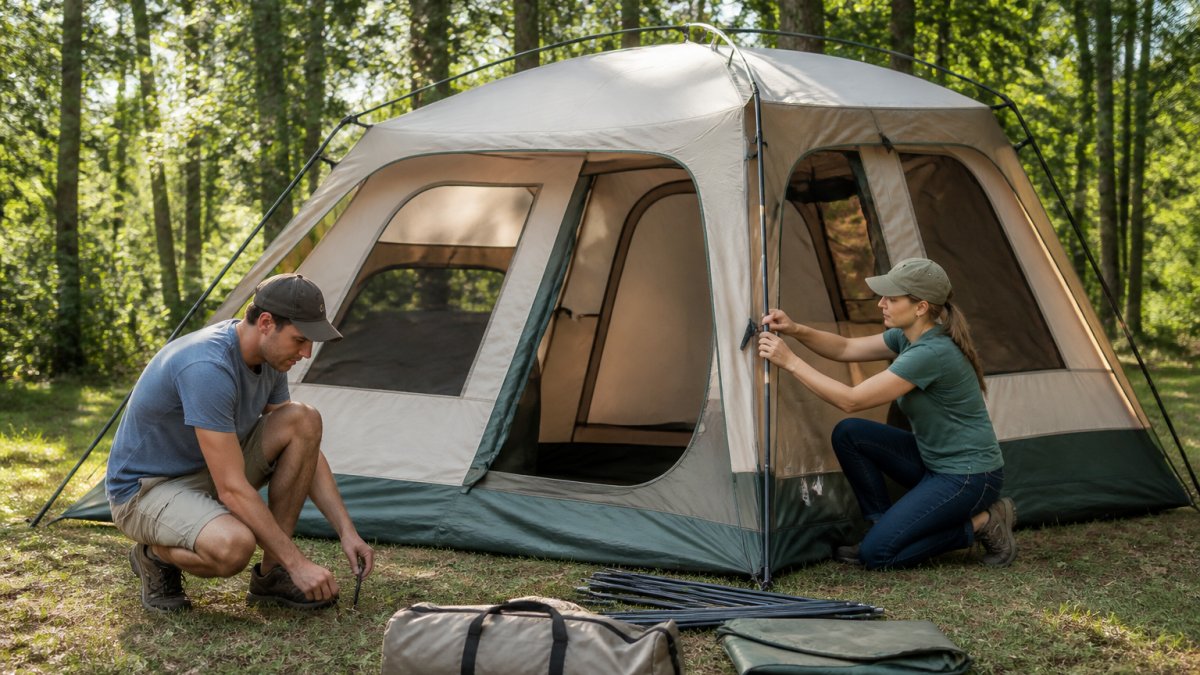
Do a Dry Run Before a major trip, practice setting up your tent and organizing gear at home.
Keep a Repair Kit Pack duct tape, patches, and basic tools. Quick repairs prevent minor issues from ruining your trip.
Share the Packing Load On family camping trips, assign different people responsibility for different gear categories. This speeds up packing and makes everyone feel involved.
Efficient camping gear packing transforms your outdoor experience.
The Camping Gear Guy offers a complete selection of storage solutions, packing cubes, and high-quality camping gear to make preparation easier.
Frequently Asked Questions
What is the most efficient way to pack for camping?
The most efficient way to pack camping gear is to start with a complete checklist, sort items by category, pack heavy items low and close to your back in a backpack, and use packing cubes or storage bins to maximize space. For car camping, load weight-bearing items first, place frequently accessed gear on top, and secure everything to prevent shifting. This system reduces setup time at the campsite and makes gear easy to find and access.
How should you organize camping gear before a trip?
Organize camping gear by grouping similar items: shelter and sleep system together, clothing in one pile, food and cooking supplies in another, and safety and first-aid items separately. Use packing cubes or labeled storage bins to keep each category contained. Lay everything out on a large surface before packing to verify nothing is missing and to plan how items will fit in your backpack or vehicle. This prevents overpacking and ensures you can locate essentials quickly at camp.
What camping gear should be packed first?
Pack heavy items first, especially in a backpack: place your sleeping bag and pad at the bottom, then add heavier clothing and cooking gear. In a car, load weight-bearing essentials like coolers and tent first, keeping the vehicle balanced. Save frequently accessed items, snacks, first-aid kit, lighting, and a change of clothes, for last so they sit on top or in easy-reach locations. This order makes setup faster and prevents you from unpacking everything to find something you need immediately.
How do you keep camping gear dry and organized?
Use waterproof packing cubes, dry bags, or storage bins with sealed lids to protect gear from moisture and rain. Store items in layers: place sleeping bags and clothing in waterproof containers, keep food in sealed bins away from moisture, and use a separate waterproof bag for electronics and first-aid supplies. Between trips, store gear in a cool, dry location away from direct sunlight. This approach keeps gear organized, extends equipment lifespan, and makes future trips faster to prepare since everything is already sorted and protected.