 how-to
Buying Durable Camping Gear Online: A 2026 Guide
Table of Contents
- Assess Quality Before You Order: The Camping Gear Buying Guide
- How to Choose a Camping Tent That Lasts
- Verify Authenticity and Avoid Counterfeits
- Camping Gear Warranty and Return Policy Comparison
- Buy Used Camping Gear Online Safely
- Choose Reliable Retailers and Outdoor Outfitters
- Match Your Gear to Trip Conditions and Frequency
- Frequently Asked Questions
Last Updated: October 17, 2026
Assess Quality Before You Order: The Camping Gear Buying Guide
Buying durable camping gear online presents a unique challenge: you can't touch the fabric, test the zippers, or inspect the seams before purchasing. Yet durability determines whether your trip succeeds or fails, a leaking tent, a deflating pad, or failing backpack straps turns an adventure into a frustration.
The key to buying durable camping gear online is evaluating quality through product specifications, customer reviews, and seller reliability before you click purchase. This guide walks you through that process.
Read Product Specifications and Materials
Start with the technical details. Durable camping gear uses materials chosen for outdoor performance, ripstop nylon and high-denier fabrics resist tears and abrasion far better than lightweight alternatives.
Check the denier rating: higher denier means thicker, more durable material, so 70D nylon outlasts 20D nylon in the same conditions.
Pay attention to weight specifications. Manufacturers list exact grams or ounces for backpacks, sleeping bags, and tents, and these numbers hint at material thickness and durability.
Examine Customer Reviews for Real-World Performance
Customer reviews reveal how gear performs after months or years of use. Read beyond the star rating and look for specific durability mentions: zipper failures, seam separation, fabric tears, material degradation.
Pay special attention to reviews from users with similar trip styles and climates. A backpack review from someone doing three-day trips in dry conditions may not apply to extended wet-weather expeditions.
Negative reviews are your best source of durability information, they show exactly where and how gear fails.
How to Choose a Camping Tent That Lasts
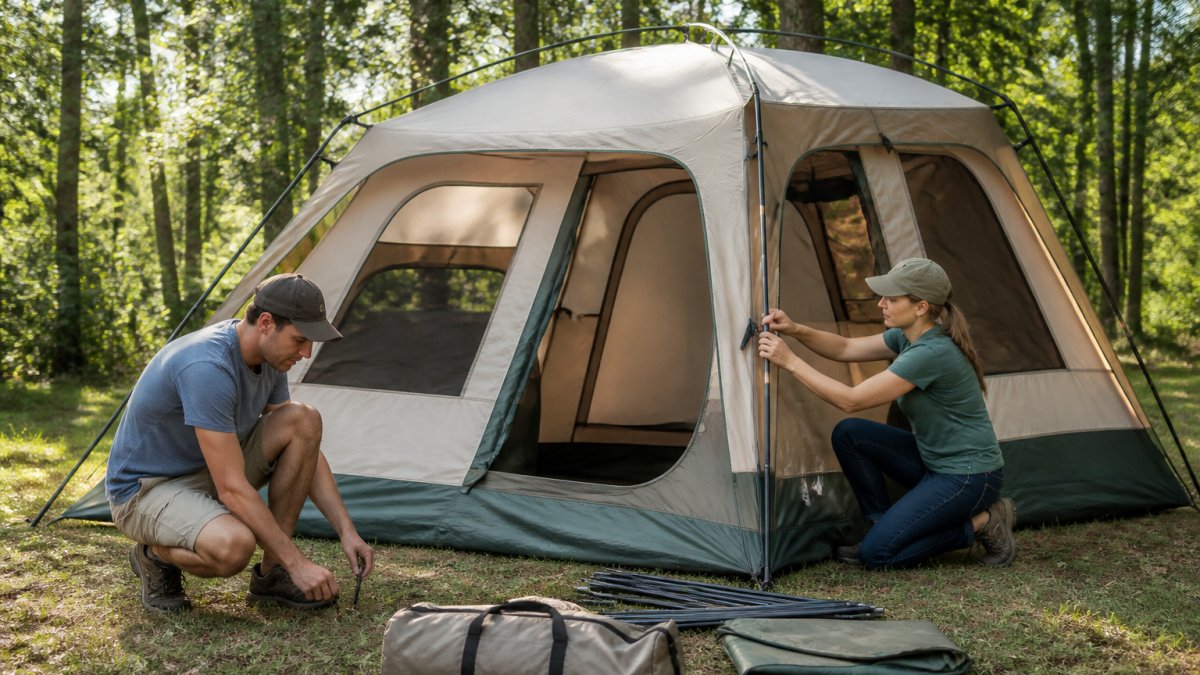
A tent is your shelter system, it's the barrier between you and weather, insects, and the elements. Tent durability depends on three factors: fabric quality, waterproofing integrity, and construction strength.
Tent Fabric and Waterproofing Standards
Tent fabrics are rated by denier and coating. A 70D or higher denier polyester or nylon resists punctures and tears.
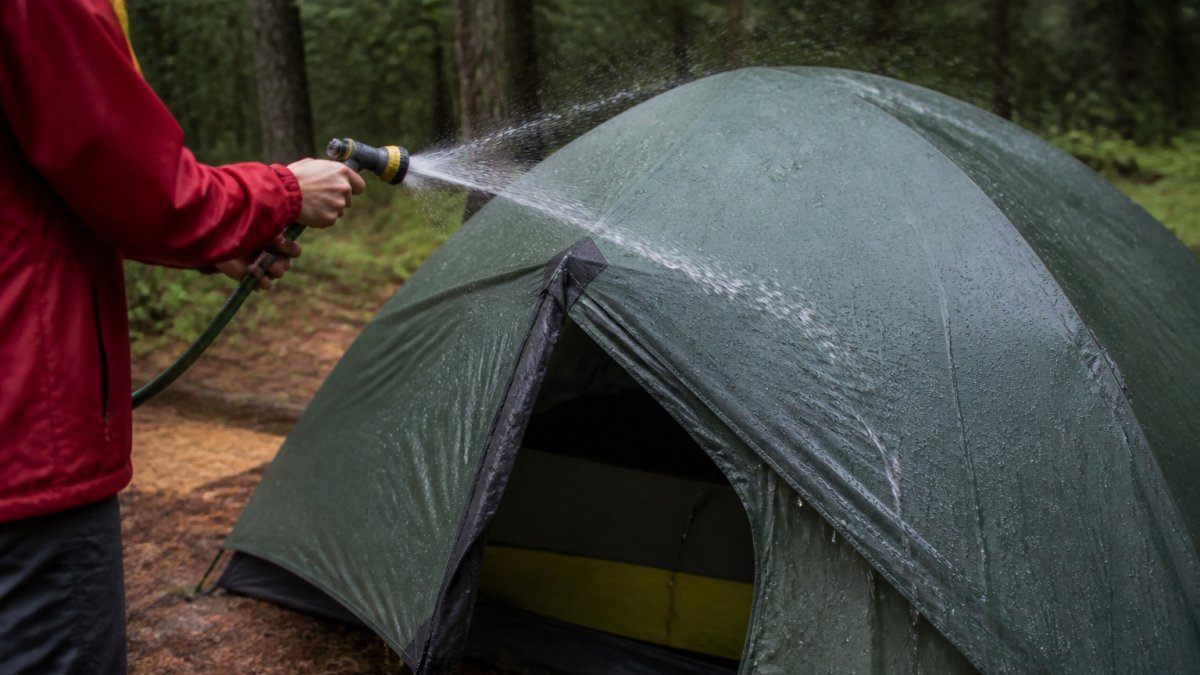
Look for tents with a hydrostatic head rating of at least 1,500mm on the floor and 1,200mm on the walls. This measures how much water pressure the fabric can withstand before leaking. Higher ratings mean better waterproofing durability.
Double-wall construction, where an inner tent hangs inside a separate rainfly, outlasts single-wall designs because it lets condensation escape, reducing the mold and mildew that degrade fabric over time.
Seam Construction and Zipper Quality
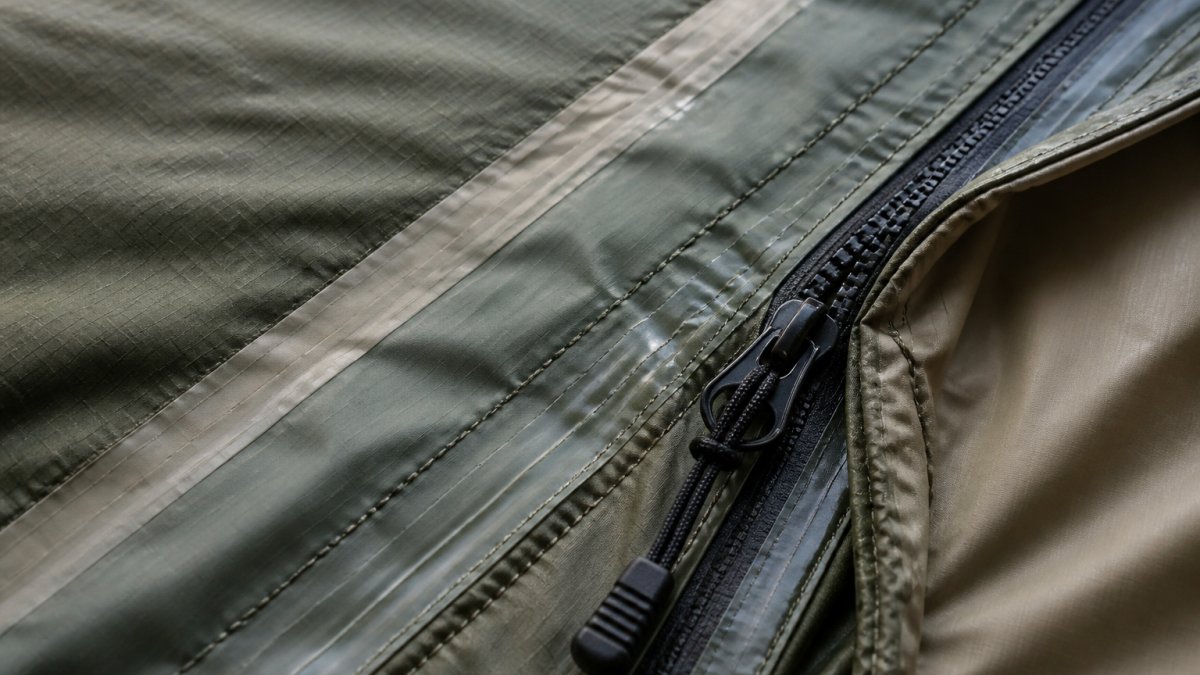
Seams are where tents fail most often. Quality tents have seams that are sewn and then sealed with waterproof tape. Check product photos and reviews for evidence of complete seam sealing. Unsealed seams will leak within the first heavy rain.
Quality tent zippers use larger sliders and smoother tracks, with YKK as the industry standard for durability. Cheap zippers jam, separate, or fail after a few dozen cycles, so read reviews specifically mentioning zipper performance.
Verify Authenticity and Avoid Counterfeits
Counterfeit camping gear is common on online marketplaces. Fake products use cheaper materials, skip quality control steps, and fail quickly. Buying from unauthorized sellers increases your risk significantly.
Purchase directly from manufacturer websites or authorized retailers whenever possible, and check the brand's official site for a list of authorized sellers. On marketplaces, verify the seller's credentials and return policy before purchasing.
Inspect packaging on arrival. Counterfeit gear often has spelling errors, poor print quality, or inconsistent branding, while authentic products have professional packaging and clear labeling.
Camping Gear Warranty and Return Policy Comparison
Warranty and return terms are where durable gear either pays you back or leaves you stranded. Most shoppers compare only the return window, but the real value is in the fine print on what is covered, who pays shipping, and how claims are handled. Use this checklist before you order.
Build a Side-by-Side Return Policy Checklist
A return policy is only as good as its exclusions. Compare retailers on these points:
- Return window length. Thirty days is common; 60 or 90 days gives you time to test gear on a real trip. Note whether the window starts at delivery or at order date.
- Used-gear returns. Some retailers accept returns on gear that has been used in the field; others require unused condition with tags attached. For tents and sleeping bags, a used-gear return policy is the difference between testing and guessing.
- Who pays return shipping. A prepaid return label removes financial risk. If you pay shipping both ways, a return can erase the savings from a discount.
- Restocking fees. Some sellers deduct a percentage for opened or used items. Ask before you buy.
- Original packaging requirements. Requiring the original box and inserts is a common trap for gear you have already taken on a trip.
Read Warranty Terms Like a Contract
Warranty language falls into a few common patterns. Manufacturing-defect warranties cover stitching, zipper failure, and material flaws but exclude wear and tear, UV damage, and accidents. Limited-lifetime warranties often cover defects for the original owner only and require proof of purchase.
Compare warranties on four questions:
- What is covered? Defects only, or also normal wear?
- How long? One year, five years, or lifetime of the original owner.
- Who pays shipping? You may be responsible for sending the item in.
- What is the remedy? Repair, replacement, or refund, and is the replacement the same model or a credit?
A warranty that covers wear and tear signals the manufacturer expects the gear to survive extended use. A warranty that excludes everything but defects is common and not automatically bad, but it means your protection depends on the return window and the retailer's reputation.
Evaluate the Claim Process Before You Need It
A simple claim process, submit a photo and proof of purchase, receive a repair or replacement, indicates a manufacturer that handles claims routinely. A process requiring extensive documentation and multiple approvals suggests claims are rare and slow. If the manufacturer's site has no published warranty page or claims form, assume the warranty is difficult to use.
Total Cost of Ownership: The Comparison Competitors Skip
Upfront price is only part of the cost. A durable item that lasts five seasons and can be repaired is often cheaper per year than a discount item replaced every season. Add the purchase price, repair or replacement-part costs, and warranty shipping, then divide by the seasons you expect to use the gear. A tent with a repairable pole set and a published parts catalog usually wins over a cheaper tent with no replacement parts.
Buy Used Camping Gear Online Safely
Used gear costs significantly less and can be durable if you buy carefully.
Buy used gear from established marketplaces with buyer protection, return windows, and seller ratings. Avoid private sales without recourse if gear arrives damaged or misrepresented.
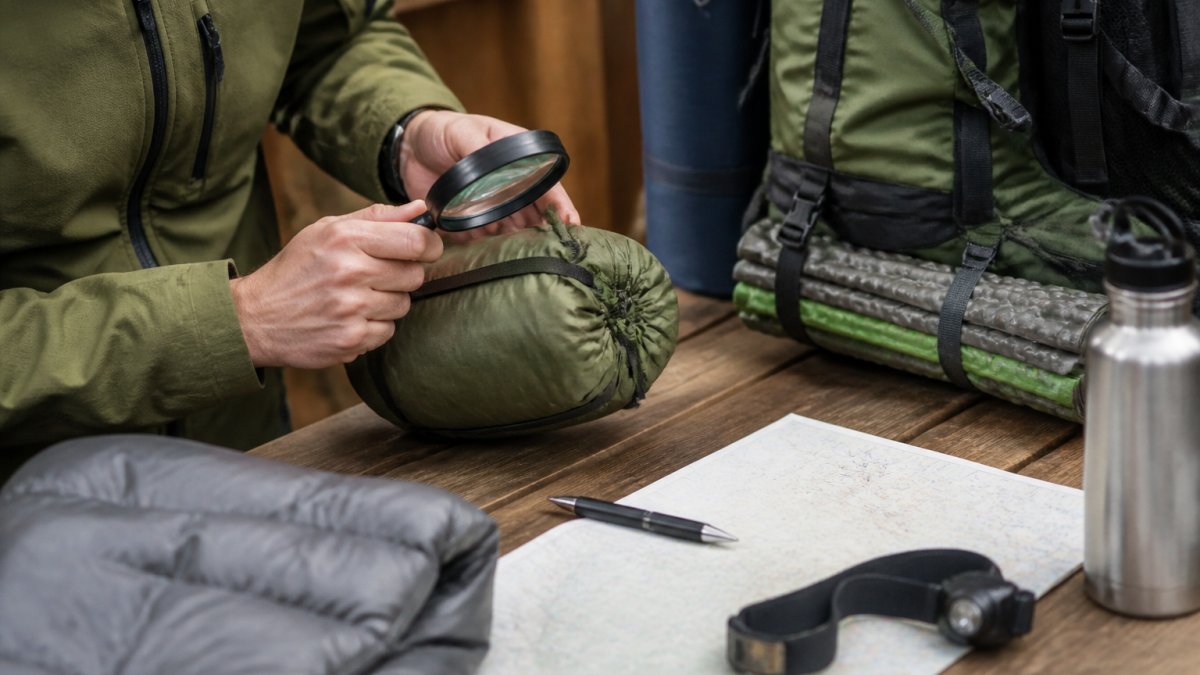
Inspect photos carefully. Used gear should show signs of use but not damage, torn fabric, broken zippers, or significant stains suggest it won't last through your trips.
Request detailed photos of any damage, seams, zippers, and fabric condition.
Choose Reliable Retailers and Outdoor Outfitters
Your retailer choice affects both the products available and your ability to return or exchange gear.
National outdoor outfitters maintain physical locations where you can inspect gear before buying, and many offer online ordering with in-store pickup.
The Camping Gear Guy offers a curated selection of high-quality camping equipment with a customer-oriented approach built on years of industry experience.
When evaluating any retailer, check their return policy, warranty support, and customer service responsiveness.
Match Your Gear to Trip Conditions and Frequency
Durability is not a single score. The right gear for a weekend car camper differs from the right gear for a backpacker logging 40 nights a year. Matching gear to your trip profile prevents two expensive mistakes: paying for expedition-grade durability you'll never stress, and buying lightweight gear that fails under frequent use.
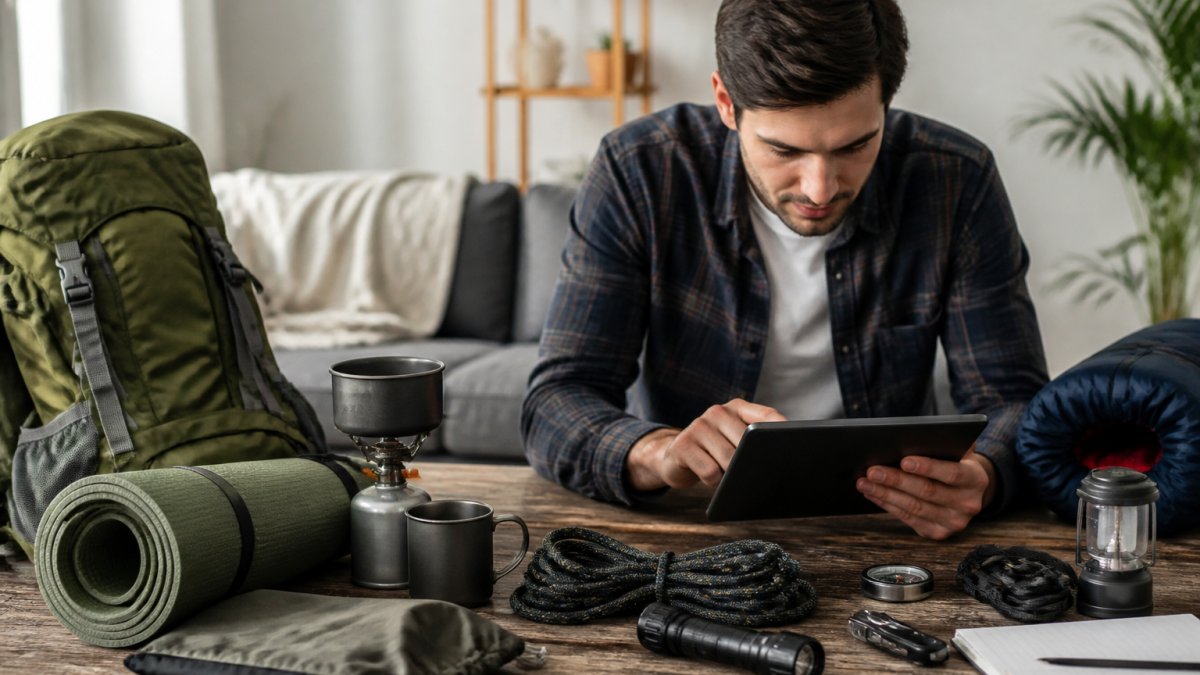
Build a Trip Profile Before You Shop
Write down five inputs for your typical year:
- Nights per year. Under 10 nights, 10-30 nights, or 30+ nights.
- Season and weather. Summer fair weather, three-season rain and wind, or winter snow and subfreezing temperatures.
- Terrain. Developed campgrounds, backcountry trails, or exposed alpine and desert routes.
- Trip length. Overnight, weekend, or multi-day trips where gear must survive repeated packing and unpacking.
- Mode of travel. Car camping allows heavier, more durable gear; backpacking forces a weight trade-off.
Use this profile to set a durability floor. A car camper who camps 8 nights a year can choose mid-weight fabrics and standard zippers. A backpacker at 40 nights a year should prioritize abrasion-resistant fabrics, replaceable parts, and proven zipper hardware, because every trip adds wear.
Durability Trade-Offs by Category
Tents. Higher-denier fabrics and double-wall construction last longer but weigh more.
Sleeping bags and pads. Shell fabric denier and zipper quality drive longevity. Pads with replaceable valves and durable baffles outlast bargain pads that delaminate.
Backpacks. Abrasion points, the bottom, shoulder straps, and hipbelt, determine lifespan. Look for reinforced bottoms, durable webbing, and buckles that can be replaced.
Stoves and cookware. Frequent use wears out seals, valves, and nonstick coatings. Choose models with available replacement parts if you cook on every trip.
Frequency Changes the Math
Gear used every weekend accumulates wear on zippers, seams, and fabric much faster than gear used twice a year. Frequent campers should budget for higher upfront durability and repairable construction, since cost per night drops with each trip. Rare campers are often better served by a mid-range item with a solid return policy they can test and return if it disappoints.
A Simple Decision Rule
Choose the lightest gear that meets the durability floor set by your trip profile. If two options meet the floor, pick the one with better repairability and a stronger warranty. That rule keeps occasional campers from overspending and keeps frequent campers from replacing gear every season.
Frequently Asked Questions
How can you tell if camping gear is durable before buying it online?
Check product specifications for materials, weight capacity, and construction details. Read customer reviews that mention long-term use and real-world performance. Look for independent testing or durability claims backed by warranty length. Verify the retailer's return policy so you can test the gear and return it if it doesn't meet your expectations. Authentic brands provide detailed product photos showing seams, zippers, and fabric quality.
What should you check in a camping gear return policy?
Verify the return window (30 to 90 days is standard for outdoor gear). Check whether returns are free or require prepaid shipping. Confirm the condition requirements, some retailers accept used items, others require unused merchandise. Review the refund timeline and whether you receive store credit or cash back. Look for hassle-free returns without requiring extensive documentation. Compare restocking fees across retailers, as some charge 10-20% for opened gear.
Is it better to buy new or used camping gear online?
New gear comes with warranty protection and guaranteed condition, making it safer for critical items like tents and sleeping bags. Used gear costs less but carries higher risk of hidden damage or shortened lifespan. Buy new for items you'll use frequently or in harsh conditions. Used gear works well for occasional trips or items with fewer failure points like backpacks and cookware. Always verify the seller's return policy and request detailed photos when buying used to assess wear.
What camping gear should you invest in first?
Start with a reliable tent suited to your climate and group size, it's your shelter and affects trip safety. Add a quality sleeping bag and sleeping pad for comfort and insulation. Buy a durable backpack that fits your frame and distributes weight properly. Include a camping stove or cookware set for meal preparation. Invest in a headlamp and water filtration system for safety and convenience. Quality foundational gear prevents frustration and extends your camping season.