 how-to
How to Tell If a Tent Is Waterproof: A Practical Guide
Table of Contents
- Waterproof vs. Water-Resistant: What's the Real Difference
- Understanding Hydrostatic Head Rating Explained
- The Critical Role of Seam Sealing and Tent Fly Protection
- How to Seam Seal a Tent and When You Need To
- Signs of Tent Fabric Degradation: When Waterproofing Fails
- Testing Your Tent's Waterproofing at Home
- How to Re-Waterproof a Tent That's Lost Its Protection
- Frequently Asked Questions
Last Updated: September 29, 2026
Waterproof vs. Water-Resistant: What's the Real Difference
Waterproof means a tent blocks water completely under pressure. Water-resistant means it resists water but may eventually let some through. Understanding whether a tent is waterproof matters because it changes how you use your tent and what protection you actually get.
A waterproof tent handles heavy rain without leaks; water-resistant tents work in light rain but may fail in sustained downpours. Most camping tents claim water-resistance, not true waterproofing.
The difference lies in fabric coating and construction: waterproof tents use multiple protective layers, while water-resistant tents use a single treatment that degrades over time.
Understanding Hydrostatic Head Rating Explained
Hydrostatic head measures water pressure in millimeters (mmH2O) that fabric can withstand, higher numbers mean better water resistance.
Here's how the scale works:
- 800 mmH2O: Light rain protection
- 1,500 mmH2O: Moderate rain protection
- 2,000 mmH2O and above: Heavy rain and storm protection
A tent with 1,500 mmH2O on the floor and 1,200 mmH2O on the fly offers solid protection; the floor needs a higher rating because it bears more ground-contact pressure.
Quality tents list hydrostatic head ratings in specs. If a tent doesn't publish them, that's a red flag, manufacturers hide weak specs.
The tent fly is the outer shell that takes the first hit from rain; aim for at least 1,200 mmH2O. The floor needs 2,000 mmH2O or higher to keep ground moisture out.
The Critical Role of Seam Sealing and Tent Fly Protection
Seams are where tents fail first, water finds every stitch. Even waterproof fabric leaks at unsealed seams, the most common reason for tent leaks.
Seam sealing applies waterproof tape or liquid sealant over stitched seams to block needle holes. Most quality tents arrive factory-sealed, but the seal degrades over time.
The tent fly provides the first defense layer, catching rain before it reaches your shelter. A properly installed fly should contact the inner tent only at attachment points; contact elsewhere allows water to wick across and drip inside.
Check that your tent fly has good coverage. It should extend down the sides and cover the bottom edge of the tent. Gaps in fly coverage create weak spots where rain can sneak in during storms.
How to Seam Seal a Tent and When You Need To
Re-seal seams when you notice water dripping along a seam line during rain. Early detection saves your camping experience.
Steps to seam seal a tent:
- Set up the tent in a dry location
- Inspect all seams for existing sealant damage
- Use seam sealer product (liquid or tape) designed for tent fabric
- Apply sealer along the inside seam, following the stitching line
- Let it dry completely before packing the tent away
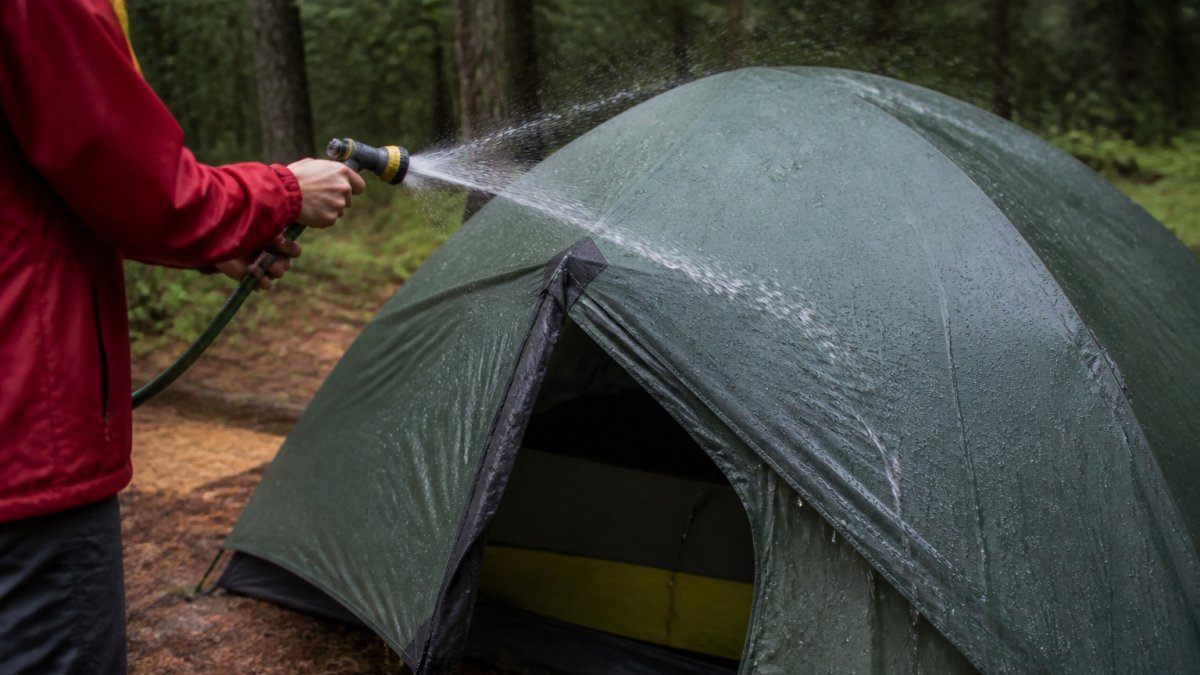
- Test with a hose to verify the seal holds
The process takes 1-2 hours. Most tents have 15-20 major seams; focus on high-stress areas like corners and floor edges.
Factory sealing typically lasts 2-3 seasons; after that, touch up seams. UV exposure accelerates degradation.
Seam sealing is cheap insurance, the cost is minimal compared to replacing a tent.
Signs of Tent Fabric Degradation: When Waterproofing Fails
Tent fabric degrades in predictable ways. Recognizing these signs tells you when your tent is losing its waterproof protection, and more importantly, when it's time to retire it.
Understanding Coating Chemistry and Failure Modes
Most modern tents use one of three waterproof coatings: polyurethane (PU), silicone, or a hybrid blend. Each breaks down differently.
Polyurethane (PU) coatings are most common on budget and mid-range tents. They're affordable but degrade from UV exposure and heat, especially after 3-5 years of regular use.
Silicone coatings last longer, often 7-10 years, because they're more resistant to UV damage. However, they're more expensive and less common on entry-level tents.
The sticky coating smell is a chemical warning sign. A strong, plasticky odor from inside fabric means polyurethane is breaking down at the molecular level. A tent with this smell is approaching the end of its waterproof life, even if it still sheds water.
Visual Signs of Failure
Delamination is the most serious sign, the waterproof coating separates from the fabric underneath, appearing as white or cloudy areas or peeling flakes. Small spots (under 1 inch) can be patched, but widespread delamination compromises the tent's waterproofing.
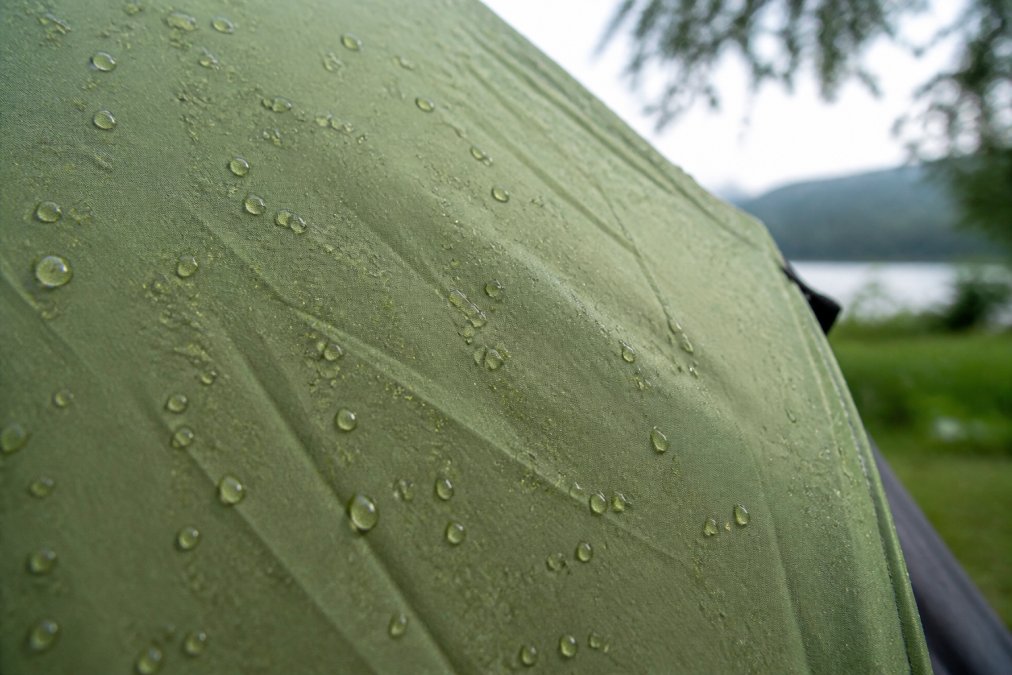
Loss of beading means water soaks into the fabric instead of rolling off, showing the DWR (durable water repellent) coating has worn away. The underlying fabric may still be waterproof, but you've lost the first defense layer.
Visible wear patterns appear at high-touch areas, door zippers, seams, stress points. If coating is visibly flaking or fabric feels thin, that area is weakening.
Sticky or tacky fabric on the inside indicates the polyurethane is degrading. Touch the inside of the tent fabric; if it feels gummy or sticky (especially in warm weather), the coating is breaking down chemically. This is different from condensation moisture, it's a permanent change in the material itself.
Age-Based Retirement Guidelines
Even quality tents have a practical lifespan for waterproofing:
- Years 1-3: Your tent is in prime condition. The tent is waterproof at full strength. Maintenance is minimal.
- Years 3-5: Coating begins to show wear. DWR may fade, but the underlying waterproof layer is still strong. Re-sealing seams and refreshing DWR coating extends life significantly.
- Years 5-7: Coating degradation accelerates. You may notice the sticky smell, loss of beading, or minor delamination. The tent still works, but requires active maintenance. Re-waterproofing is worthwhile if the fabric is structurally sound.
- Years 7+: Polyurethane coatings are typically at the end of their effective life. Silicone-coated tents may still perform well. If you notice widespread delamination, persistent sticky coating, or major seam failures, replacement is more practical than repair.
These timelines assume regular use (10-20 nights per year) and typical storage conditions. Tents stored in direct sunlight or hot attics degrade faster. Tents used rarely and stored in cool, dark conditions may last longer.
When to Repair vs. When to Replace
Check your tent honestly before investing in re-waterproofing:
- Repair if: The fabric is structurally sound, delamination is minor and localized (under 5% of the tent), seams are intact, and the sticky smell is absent or mild.
- Replace if: Delamination covers more than 10% of the tent, the sticky smell is strong throughout, multiple seams are leaking, or the tent is over 8 years old with heavy use.
Testing Your Tent's Waterproofing at Home
Test your tent before relying on it for a trip. Home testing catches problems before they become disasters in the rain.
The Water Beading Test
Fill a spray bottle with water. Spray the outside of the tent fabric from about 12 inches away. Watch how the water behaves.
Good beading: Water forms tight beads and rolls off immediately. This shows the DWR coating is still working. The fabric is protecting you.
Poor beading: Water soaks into the fabric instead of beading up.
The Hose Test
Set up the tent in your yard. Use a garden hose to simulate rain. Start with light spray and gradually increase the water volume.
Condensation vs. Leaking: How to Tell the Difference
Water inside your tent doesn't always mean the fabric is leaking. Condensation can fool you into thinking your tent is failing when it's actually working fine.
Here's how to tell the difference:
- Condensation: Forms on the inside fabric, wipes away dry, appears early in the night, heaviest near the ceiling
- Leaking: Drips from specific locations, soaks into sleeping bags, correlates with heavy rain, appears along seams or floor edges
How to Re-Waterproof a Tent That's Lost Its Protection
A tent with worn waterproofing doesn't have to be replaced. You can restore protection with the right approach.
Frequently Asked Questions
What is a good hydrostatic head rating for a tent?
A tent floor should have a hydrostatic head rating of at least 1,500 mmH2O to handle normal rain, while the tent fly should be rated 1,200 mmH2O or higher. Higher ratings (2,000+ mmH2O) provide extra protection during heavy downpours or extended wet conditions. The hydrostatic head rating measures how much water pressure the fabric can withstand before water penetrates it, so higher numbers mean better waterproofing under challenging weather.
How often should you re-waterproof a tent?
Most tents need re-waterproofing every 2-3 years with regular use, or sooner if you notice water beading poorly on the fabric. If you use your tent frequently or in wet conditions, inspect the DWR coating annually. Signs that re-proofing is needed include water no longer beading on the fly or floor, visible wear on seams, or water staining. Reapplying seam sealer and DWR coating is straightforward and extends your tent's lifespan significantly.
Are tents 100% waterproof?
No tent is completely 100% waterproof. All tents are water-resistant to a specific degree based on their hydrostatic head rating and construction quality. Even high-end tents can leak if seams fail, the DWR coating degrades, or condensation builds up inside. Proper maintenance, seam sealing, using a footprint, and ventilation management are essential to keeping water out. Understanding this distinction helps you maintain realistic expectations and care for your tent properly.
Should I put a tarp under my tent if it's raining?
Yes, using a tent footprint or tarp under your tent is highly recommended, especially in wet conditions. A footprint protects the tent floor from punctures and ground moisture, which reduces the load on your tent's waterproofing. It also extends the life of your tent floor by preventing abrasion and UV degradation. Make sure the tarp is slightly smaller than your tent's footprint so water doesn't pool underneath; this prevents water from being trapped and wicking up into the tent.
Testing your tent's waterproofing before a trip prevents disasters in the field. Use the beading test and hose test to catch problems early. If your tent is showing signs of degradation, The Camping Gear Guy carries replacement tents and waterproofing products to keep your gear performing. Check your tent regularly, address seam leaks immediately, and re-waterproof when the coating wears thin. With proper maintenance, a quality tent protects you for years.