 ultimate-guide
Lightweight Backpacking Gear for Beginners: 2026 Guide
Table of Contents
- Why Lightweight Gear Matters for Beginning Backpackers
- Building Your Beginner Backpacking Gear Checklist
- Understanding Backpacking Base Weight for Beginners
- Choosing a Lightweight Backpacking Tent
- Sleeping Systems: Bags, Quilts, and Pads
- Backpacking Gear List for a Weekend Trip
- Testing Gear and Making Smart Choices Before You Buy
- Gear Durability and Long-Term Value
- Frequently Asked Questions
Last Updated: October 18, 2026
Why Lightweight Gear Matters for Beginning Backpackers
The difference between a miserable first trip and an enjoyable one often comes down to how much weight you carry.
Lightweight backpacking gear for beginners transforms the experience. When your pack feels manageable, you focus on the trail and build confidence instead of just surviving.
At The Camping Gear Guy, we've helped countless first-time backpackers understand that lighter gear means longer distances with less fatigue and better sleep, the challenge is balancing weight, durability, comfort, and affordability.
Building Your Beginner Backpacking Gear Checklist
A beginner backpacking gear checklist is a decision framework, not a shopping list. Most beginners buy too much too fast, then discover half of it doesn't fit their trip style, use this staged approach.
Stage 1: Borrow, Rent, or Use What You Own
Before buying anything, inventory what you already have, base layers, a fleece, rain jacket, headlamp, and water bottles often live in your closet. For the big three, backpack, shelter, and sleeping system, rent or borrow for your first two trips; gear shops offer rentals and friends will often lend a pack or tent for a weekend.
Stage 2: Buy the Safety-Critical Items First
Some gear should never be borrowed or skipped. Prioritize these purchases in this order:
- Footwear and socks, Boots or trail shoes that fit and are broken in prevent blisters and injuries. Buy these first and wear them on day hikes.
- Sleeping pad, Insulation from the ground is non-negotiable. A cold night ruins a trip faster than a heavy pack.
- Water treatment, A filter or chemical tablets are essential for safe hydration. Never rely on untreated water.
- Navigation, A map, compass, and offline maps on your phone. Do not depend on cell service.
- First aid and emergency kit, A compact kit, whistle, and fire starter are minimum essentials.
Stage 3: Fill In the Big Three
Once you've tested rentals, buy your backpack, shelter, and sleeping system, the heaviest and most expensive items, last, after you understand your preferences. A 40-55 liter pack fits most weekend trips, a three-season tent in the 2-3 pound range balances protection and weight, and a 20°F bag or quilt works for three-season use.
Stage 4: Add Comfort and Cooking
Cooking systems, extra clothing, and camp comforts come last. A simple canister stove and 1-liter pot cover most beginner needs, skip the full cook set.
The Complete Beginner Checklist
- Backpack: 40-55 liters, adjustable torso, comfortable hip belt
- Shelter: Three-season tent or tarp system with stakes and guylines
- Footwear: Broken-in hiking boots or trail shoes, merino wool socks
What to Skip for Now
Beginners often buy gear for trips they haven't taken yet. Skip four-season tents, winter sleeping bags, GPS satellite messengers, and ultralight specialty items until experience tells you what you need, rent or borrow for the rare trip that requires them.
Trip Length, Season, and Conditions
Your checklist changes with conditions: a summer weekend needs less insulation and a lighter rain layer, while a cold-weather trip requires a warmer bag, extra insulation, and a more protective shelter. Adjust items to your trip, but the minimum essentials, navigation, warmth, water treatment, and emergency readiness, never change.
Understanding Backpacking Base Weight for Beginners
Base weight is the total weight of everything in your pack that is not food, water, or fuel, excluding what you wear and consume. Understanding this number is the single most useful beginner skill because it turns vague gear decisions into measurable trade-offs.
The Three Weight Categories
- Base weight: Gear, clothing packed, and essentials carried in your pack. This is the number you optimize.
- Worn weight: Clothing, footwear, and items on your body. This matters for comfort but is not part of base weight.
- Consumables: Food, water, and fuel. These change daily and are not part of base weight.
A common beginner target is a base weight of 15-20 pounds, realistic without spending a fortune and leaving room for comfort and safety. Ultralight backpackers aim for 10 pounds or less, but that often requires specialized gear and compromises that don't suit most beginners.
Transparent Weight Accounting: An Example
Here is a realistic weekend setup with item-by-item weights. These are typical ranges, not exact product claims.
| Item | Weight (lb) |
|---|---|
| Backpack (50L) | 3.5 |
| Three-season tent | 2.5 |
| Sleeping bag (20°F) | 2.0 |
| Sleeping pad | 1.0 |
| Clothing layers (packed) | 2.5 |
| Cooking system | 1.0 |
| Water treatment | 0.5 |
| Navigation and light | 0.5 |
| First aid and repair | 0.5 |
| Base weight total | 14.0 |
Add food at roughly 1.5-2 pounds per day and water at about 2 pounds per liter. For a two-day trip with 2 liters of water and 3 pounds of food, your pack weight at the trailhead is about 21 pounds.
Where the Weight Actually Comes From
The big three, backpack, shelter, and sleeping system, typically account for 50-60% of base weight, so focus weight-saving efforts there first. A lighter tent or sleeping bag saves more than swapping stuff sacks or cutting toothbrush handles.
Safety Trade-Offs and Minimum Essentials
Weight reduction should never compromise navigation, warmth, water treatment, or emergency readiness. A lighter first aid kit is fine if it still covers blisters, cuts, and common injuries, and a lighter rain jacket is fine if it keeps you dry, but never leave the map, compass, insulation, or water filter behind to hit a weight target.
Fit, Sizing, and Testing
Base weight numbers mean little if your pack doesn't fit, a properly fitted backpack carries weight on your hips, not your shoulders. Test your loaded pack on a day hike before your first overnight, and weigh every item on a kitchen scale to see where your weight is.
When Lighter Is Not Worth It
Durability matters. A tent that saves 8 ounces but tears in wind is a bad trade, and a sleeping pad that saves 4 ounces but punctures easily will ruin a trip. For beginners, choose gear that balances weight with reliability.
Choosing a Lightweight Backpacking Tent
Your shelter is one of the most important weight decisions you'll make, too heavy ruins trips, too light may not protect you.
For lightweight backpacking gear for beginners, look for a three-season tent in the 2-3 pound range, light enough not to feel like a burden, yet heavy enough to include proper ventilation and durable fabric.
Key features to prioritize:
- Floor protection: Prevents tears and extends tent life
- Ventilation: Reduces condensation on cold nights
- Easy setup: Fewer poles and simpler designs mean faster camp setup
Consider whether you need a freestanding tent (stands on its own) or a trekking pole tent (uses your poles as support).
Shelter Weight and Seasonality
A three-season tent handles spring through fall; a four-season tent adds weight and complexity for winter mountaineering, overkill for most beginning backpackers.
A three-season tent typically handles temperatures down to around freezing and moderate wind, sufficient for summer or early fall trips. Winter backpacking requires different gear entirely and isn't recommended for beginners without proper training.
Sleeping Systems: Bags, Quilts, and Pads
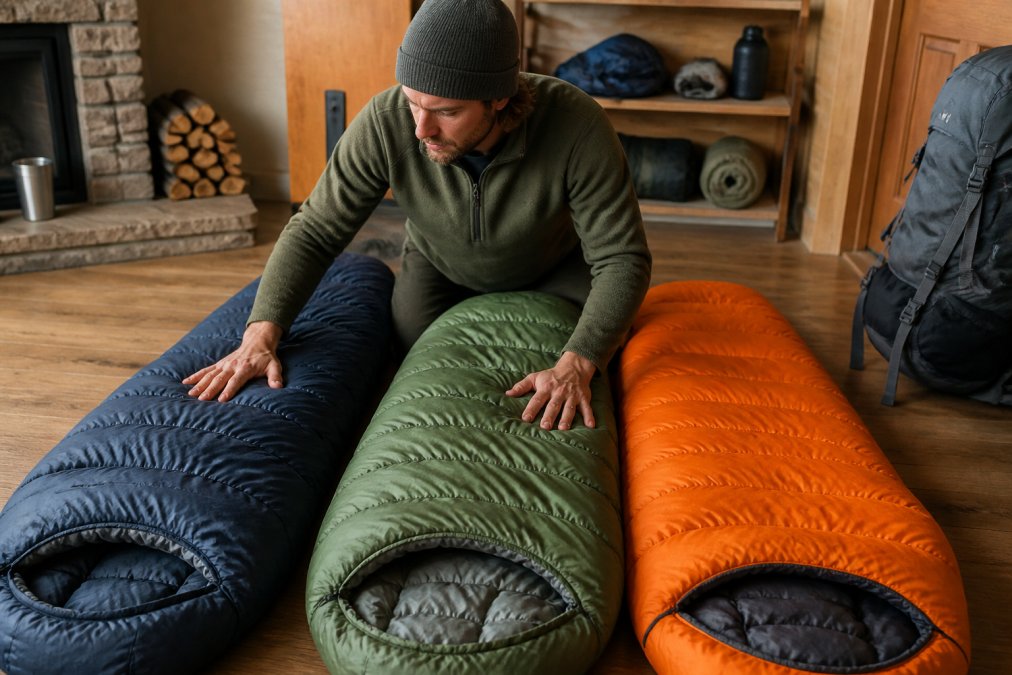
Your sleeping system, bag or quilt plus pad, is where comfort directly translates to sleep quality, which affects your entire trip.
For beginners, a quality sleeping bag in the 1.5-2 pound range is a solid choice, familiar, easy to use, and reasonably priced.
Your sleeping pad is equally important, it insulates you from the cold ground and provides cushioning.
Backpacking Gear List for a Weekend Trip
Here's what a realistic weekend pack looks like for a beginning backpacker:
| Item | Category | Notes |
|---|---|---|
| Backpack (50L) | Shelter & Carry | Comfortable hip belt is essential |
| Three-season tent | Shelter & Carry | Includes stakes and guylines |
| Sleeping bag (20°F) | Sleep | Synthetic or down, 1.5-2 lbs |
| Sleeping pad | Sleep | Closed-cell foam or inflatable |
| Base layer top | Clothing | Merino wool or synthetic |
| Insulating layer | Clothing | Fleece or down jacket |
| Rain jacket | Clothing | Waterproof or water-resistant |
| Hiking pants | Clothing | Quick-dry preferred |
| Extra socks | Clothing | Merino wool prevents blisters |
| Hiking boots | Footwear | Broken in before the trip |
| Lightweight stove | Cooking | Canister or alcohol burner |
| Pot and utensils | Cooking | Minimal setup needed |
| Water bottle or bladder | Water | 1-2 liter capacity |
| Water filter or tablets | Water | Essential for safety |
| Headlamp | Light | LED with extra batteries |
| First aid kit | Safety | Compact, essentials only |
| Map and compass | Navigation | Download offline maps too |
| Emergency items | Safety | Whistle, repair kit, fire starter |
This list totals roughly 18-22 pounds before food and water, depending on specific gear choices. Food adds 1-2 pounds per day. Water weighs about 2 pounds per liter.
Testing Gear and Making Smart Choices Before You Buy
Before committing to expensive items, borrow or rent gear for a short trip.
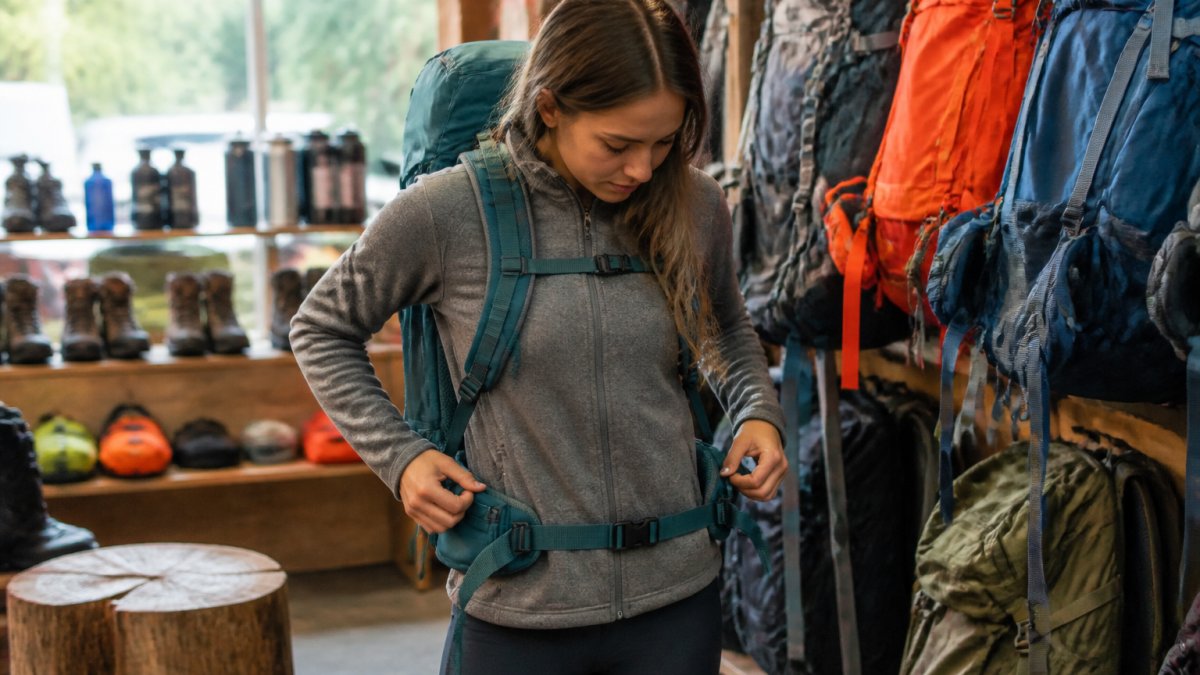
Read reviews from actual backpackers, not just product descriptions. According to outdoor gear testing resources from REI, real-world performance often differs from marketing claims.
Start with one trip close to home to test your gear, build confidence, and identify what needs improvement before investing in upgrades.
Gear Durability and Long-Term Value
Lightweight backpacking gear for beginners doesn't mean disposable gear, the best choice balances weight, cost, and longevity.
Other items can be budget-conscious. Your first cooking system doesn't need to be fancy. A basic headlamp works fine.
According to outdoor gear care guides from The Hiking Authority, proper maintenance can double the lifespan of backpacking equipment.
Frequently Asked Questions
What gear do beginners need for backpacking?
Start with the essentials: a backpack (40-55L capacity), lightweight tent, sleeping bag or quilt, sleeping pad, clothing layers, rain gear, hiking boots or shoes, socks, cooking stove and cookware, water container, navigation tools, headlamp, and a basic first aid kit. Add trekking poles, a repair kit, and emergency signaling items as you gain experience. The specific items depend on trip length and season, but these core pieces form the foundation of any lightweight backpacking gear setup.
What is a good base weight for a beginner backpacker?
A reasonable backpacking base weight for beginners ranges from 15 to 20 pounds (excluding food, water, and fuel). Base weight includes your backpack, shelter, sleeping system, clothing, and cooking gear. Most beginners aim for the lower end as they gain experience and learn which items they actually need. Focus on choosing quality lightweight gear in each category rather than obsessing over ounces early on; comfort and reliability matter more when you're learning.
How do I choose a lightweight backpacking tent?
Look for three-season tents weighing 3-4 pounds or less. Check the weight specification on the product listing, verify it includes the tent body and rain fly, and consider the floor area (a 40-50 square foot floor works for most solo backpackers). Match the tent's season rating to your planned trips: three-season tents handle spring through fall, while four-season tents add winter capability but weigh more. Test the setup at home before your first trip to ensure you're comfortable assembling it in the field.
What should I pack for a one-night backpacking trip?
For a weekend trip, pack your shelter, sleeping bag or quilt, sleeping pad, a change of clothes, rain jacket, headlamp, cooking gear, food for two meals and snacks, water container, map and compass, first aid kit, and any personal medications. Keep total pack weight (including food and water) under 25 pounds for comfortable hiking. Start with this minimal setup to learn what you actually use, then adjust future packing lists based on conditions and personal comfort needs.
How can beginners reduce the weight of a backpacking pack?
Prioritize the big three: backpack, shelter, and sleeping system. These account for roughly half your base weight. Choose ultralight versions in these categories first, then look at smaller items like cookware, clothing, and accessories. Avoid duplicating items; one pair of hiking pants works for multiple days. Use lightweight alternatives where they don't sacrifice safety or comfort, and always weigh gear before buying when possible. Remove items you don't use after each trip rather than automatically repacking everything.
What is the difference between lightweight and ultralight backpacking?
Lightweight backpacking typically targets a base weight of 15-20 pounds, balancing comfort and weight reduction for beginners and casual backpackers. Ultralight backpacking aims for under 10 pounds and requires more specialized, expensive gear and significant skill. Beginners should start with lightweight gear for better comfort and durability, then explore ultralight options once they understand their personal needs and have mastered basic backpacking skills and safety practices.
How do I choose a sleeping bag or quilt for backpacking?
Select a sleeping bag or quilt rated for temperatures 10-15 degrees colder than your expected nighttime lows. A 20-degree rated bag works for three-season backpacking in most climates. Quilts are often lighter but require a compatible sleeping pad. Sleeping bags offer more insulation consistency and work with any pad. Check the weight specification and consider your body size; manufacturers often list multiple sizes. Pair your choice with an insulated sleeping pad for complete ground insulation.
What brands does The Camping Gear Guy actually carry?
The Camping Gear Guy stocks a carefully selected range of trusted outdoor brands and quality products across all gear categories. Visit our website to browse current inventory, filter by brand, and read customer reviews on specific products. We prioritize genuine, durable gear at fair prices, and our product descriptions include detailed specifications like weight, materials, and seasonality ratings so you can make informed choices.