 ultimate-guide
Lightweight Backpacking Gear for Comfort: 2026 Guide
Table of Contents
- Why Lightweight Backpacking Gear Matters for Comfort
- Building Your Lightweight Backpacking Gear List
- Ultralight Backpacking Gear for Beginners
- Selecting a Comfortable Lightweight Backpack
- Backpacking Gear Checklist for One Night
- Weight Reduction Without Sacrificing Comfort
- Gear Durability and Long-Term Value
- Conclusion
- Frequently Asked Questions
Last Updated: October 11, 2026
Why Lightweight Backpacking Gear Matters for Comfort
Lightweight backpacking gear for comfort represents a fundamental shift in how outdoor enthusiasts approach multi-day trips. The balance between minimizing weight and maintaining comfort isn't a contradiction, it's the entire point.
The misconception that lightweight means sacrificing comfort has held back many potential backpackers. A quality lightweight tent keeps you dry and protected while weighing half what older models demand.
Your comfort on the trail depends on three interconnected factors: the total weight you carry, how that weight distributes across your body, and how well your gear performs in actual conditions.
Building Your Lightweight Backpacking Gear List
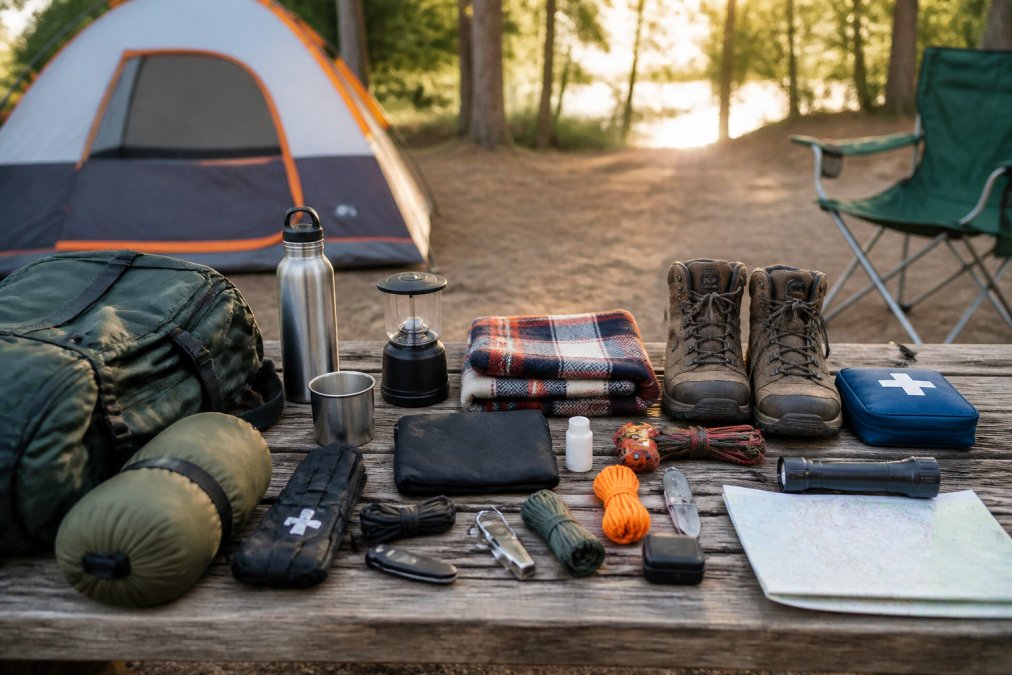
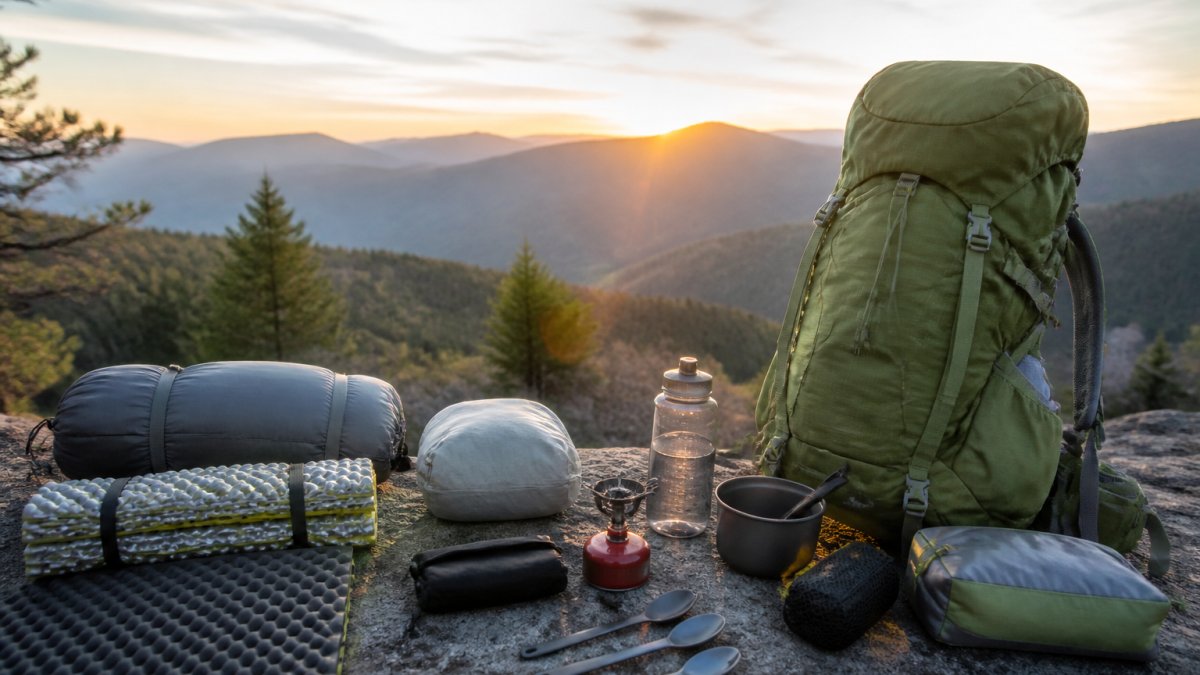
A complete lightweight backpacking gear list breaks into four categories: pack and shelter, sleep system, clothing and footwear, and miscellaneous essentials. Each category presents distinct weight-saving opportunities without compromising the protection and comfort you need.
Pack and Shelter
Your backpack and tent are the heaviest items you'll carry, making them the obvious starting point for weight reduction.
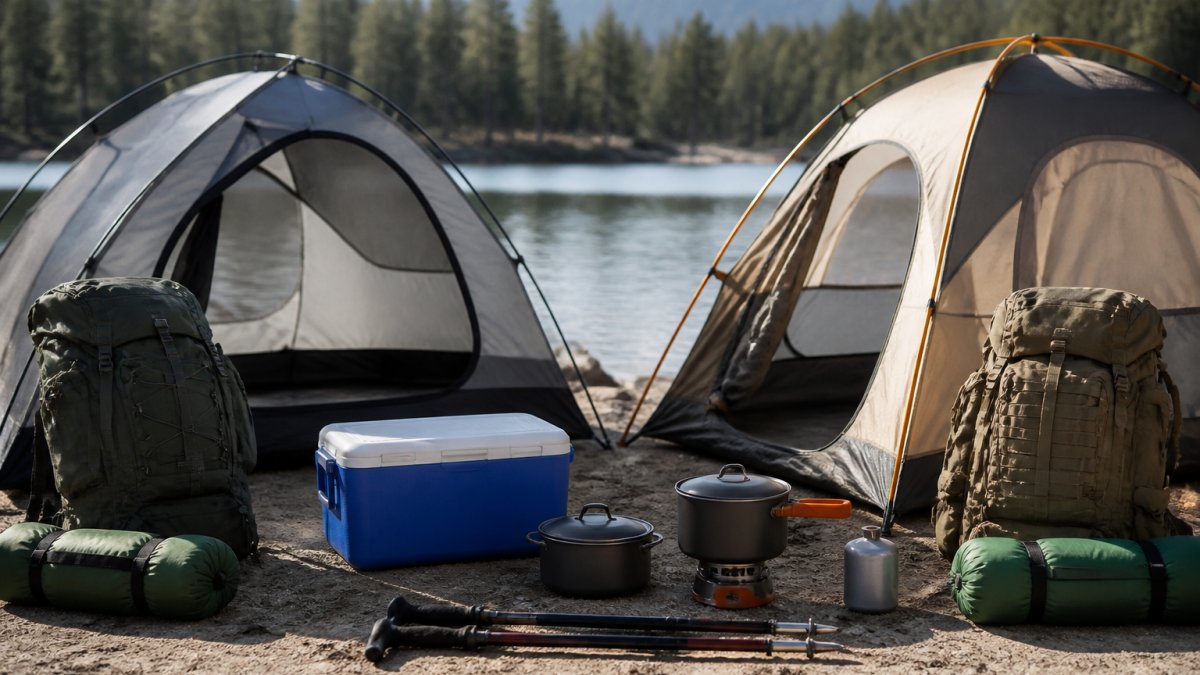
Shelter options range from traditional tents to ultralight tarps and bivy sacks. A lightweight backpacking tent designed for three-season use weighs 2-3 pounds and provides weather protection and bug protection.
The shelter you choose affects not just weight, but how comfortable you feel at camp. A tent with adequate headroom lets you sit up and change clothes without contorting.
Sleep System
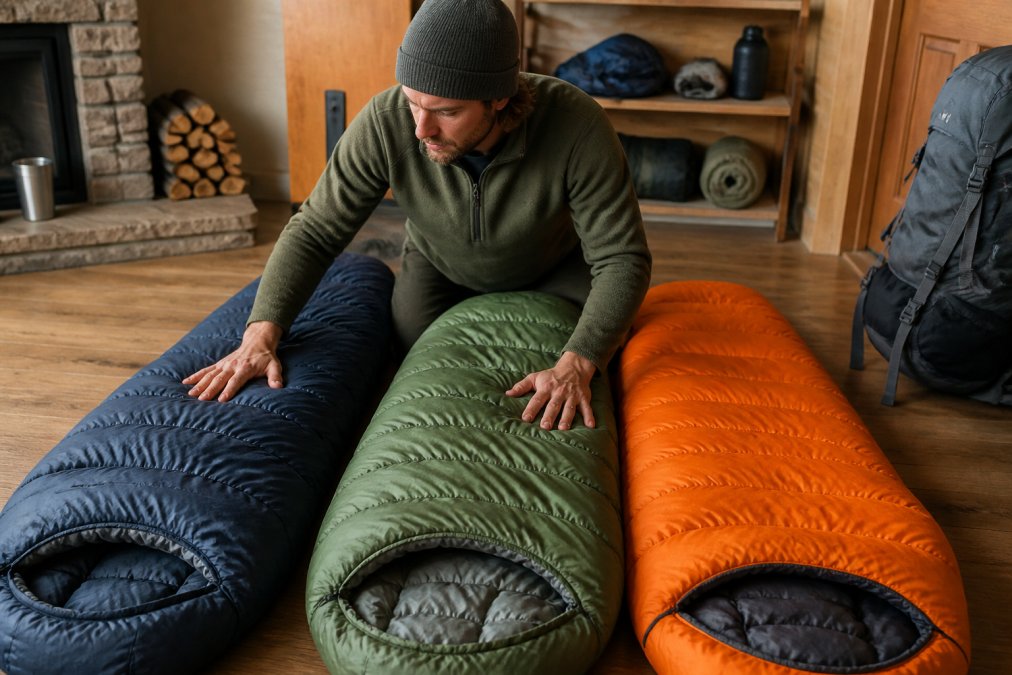
Your sleep system, sleeping bag, sleeping pad, and optional quilt, directly determines sleep quality. A lightweight sleeping bag rated for three-season use weighs 1.5-2.5 pounds and provides the warmth you need without the bulk of winter-rated bags.
The sleeping pad is where ultralight backpacking gear for beginners often goes wrong. Many new backpackers skip the pad to save weight, then suffer through cold, uncomfortable nights. A lightweight foam pad weighs under one pound and provides essential insulation and cushioning. Inflatable pads offer better comfort but add weight; hybrid options balance both.
Clothing and Footwear
Clothing weight adds up quickly, but strategic choices keep you comfortable and light. Bring moisture-wicking base layers, an insulating mid-layer, and a waterproof outer shell. Leave the cotton behind, synthetic or merino wool dries faster and regulates temperature better. For footwear, lightweight hiking boots or trail runners reduce foot fatigue and make every step feel easier.
Ultralight Backpacking Gear for Beginners
Starting ultralight doesn't require expensive gear or years of experience. Many beginners overthink the process and end up carrying items they never use.
Begin with a clear trip plan: distance, elevation, expected weather, and water availability. This determines what gear you truly need.
Affordable lightweight backpacking gear exists at every price point. The Camping Gear Guy carries gear across all price ranges, helping beginners find reliable equipment that won't break the bank or your back.
Common beginner mistakes include carrying too much food, packing redundant items, and choosing gear based on features rather than actual need.
Selecting a Comfortable Lightweight Backpack
Pack fit and comfort matter more than raw weight or capacity. A pack that doesn't fit your torso properly will cause shoulder pain and lower back strain, regardless of how light it is. Measure your torso length, the distance from the base of your skull to the top of your hip bones, and match it to the pack's size.
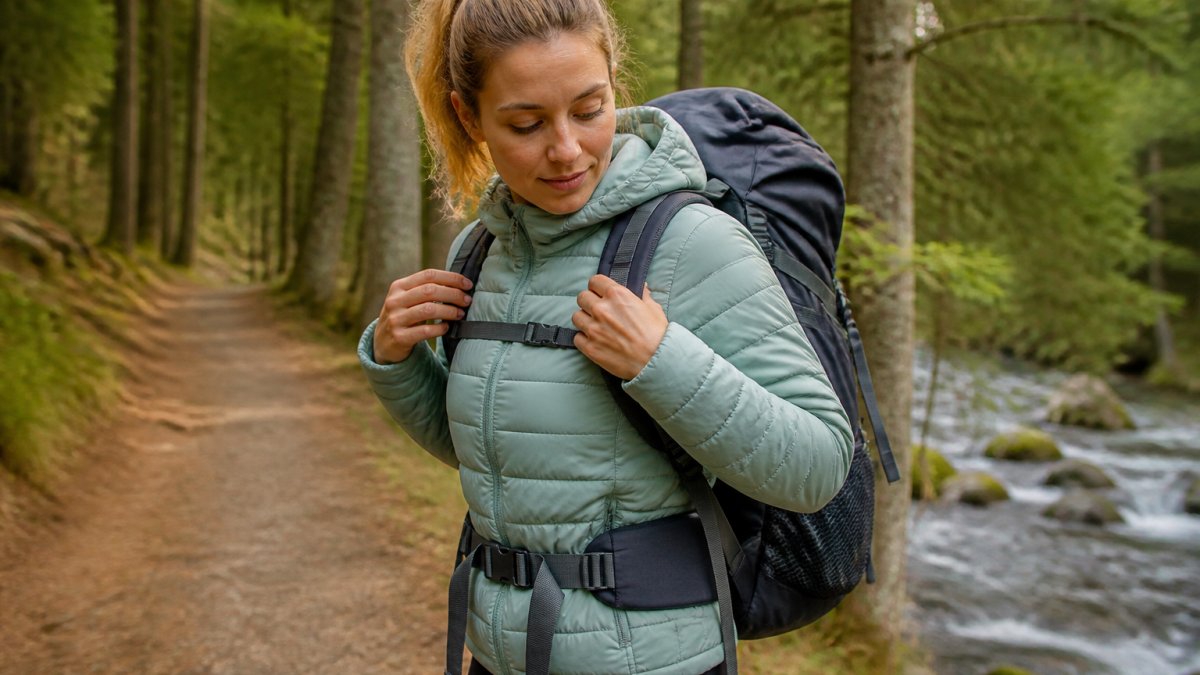
Fit and Comfort Testing
Test your pack before committing to a multi-day trip. Load it with weight equal to what you'll carry on your actual trip, then wear it for an hour around your home or neighborhood. Pay attention to pressure points on your shoulders, hips, and lower back.
A pack with a ventilated back panel keeps air flowing between your back and the pack, reducing sweat and heat buildup. This feature matters more than you'd think, a cooler back means better comfort on long hiking days.
Capacity and Load Carrying
Pack capacity should match your typical trip duration and conditions. A 40-liter pack works for one to two nights, while longer trips or winter camping require 50-60 liters. Oversized packs tempt you to carry unnecessary items; right-sized packs enforce discipline and keep your base weight reasonable.
Load carrying comfort depends on weight distribution. Pack heavy items (sleeping bag, pad, food) close to your back and centered in the pack. Keep lighter items toward the top and sides. This arrangement maintains balance and reduces the strain on your lower back and hips.
Backpacking Gear Checklist for One Night
| Category | Item | Weight (approx.) | Notes |
|---|---|---|---|
| Pack | Lightweight backpack 40-50L | 2-3 lbs | Ventilated back panel essential |
| Shelter | Lightweight tent or tarp | 2-3 lbs | Three-season adequate for most trips |
| Sleep | Sleeping bag (three-season) | 1.5-2.5 lbs | Synthetic or down both work |
| Sleep | Sleeping pad (lightweight foam or hybrid) | 0.5-1.5 lbs | Critical for insulation and comfort |
| Clothing | Moisture-wicking base layer | 0.3-0.5 lbs | Synthetic or merino wool |
| Clothing | Insulating mid-layer (fleece or down) | 0.5-1 lb | Warmth without bulk |
| Clothing | Waterproof outer shell | 0.5-1 lb | Jacket and pants or one-piece |
| Footwear | Lightweight hiking boots or trail runners | 1.5-2 lbs | Pair weight |
| Cook | Lightweight stove and fuel | 0.3-0.5 lbs | Canister stove ideal for ultralight |
| Cook | Pot and utensils | 0.3-0.5 lbs | Titanium or aluminum minimizes weight |
| Hydration | Water container or bladder | 0.2-0.3 lbs | Empty weight; capacity depends on water sources |
| Navigation | Map and compass | 0.1-0.2 lbs | GPS watch adds 0.1-0.3 lbs if desired |
| Miscellaneous | First aid kit, repair kit, toiletries | 0.5-1 lb | Consolidate and minimize quantities |
This checklist represents typical weights for lightweight backpacking gear for one night. Actual weights vary by brand and specific model. The total base weight, gear without food, water, or fuel, typically ranges from 12-18 pounds for ultralight setups, 18-25 pounds for lightweight, and 25-35 pounds for traditional backpacking.
Weight Reduction Without Sacrificing Comfort
Reducing weight doesn't mean abandoning comfort. The goal is eliminating items that don't contribute to your wellbeing on the trail. Every piece of gear should answer the question: "Does this help me sleep better, stay warmer, move faster, or feel safer?"
Base Weight vs. Total Pack Weight
Your base weight includes everything except food, water, and fuel. This number matters because it remains constant across trips, while consumables change based on trip length and conditions. Most ultralight backpackers target a base weight under 15 pounds, lightweight backpackers aim for 15-25 pounds, and traditional backpackers often carry 25-40 pounds or more.
Total pack weight, base weight plus consumables, determines how your body feels on the trail. A 30-pound pack feels manageable for most people, while 45+ pounds creates noticeable fatigue.
The Comfort-to-Weight Trade-Off Framework
Not all weight is equal. A pound of sleeping pad weight affects comfort far more than a pound of shelter weight. Use this framework to evaluate gear:
High-impact comfort items (worth extra weight): sleeping pad, sleeping bag, backpack fit, pillow or sleep system padding. These directly affect sleep quality and recovery.
Medium-impact items (moderate weight trade-offs acceptable): tent quality, clothing insulation, cooking setup. These affect daily comfort and safety.
Low-impact items (minimize weight): redundant tools, excessive first aid supplies, entertainment items. These rarely affect your actual experience.
This framework prevents the common mistake of obsessing over ounces in low-impact categories while skimping on high-impact comfort items. Shave weight from your cook system, not your sleeping pad.
Gear Durability and Long-Term Value
Lightweight gear often costs more per pound than traditional alternatives, but durability and longevity offset the initial investment. Quality ultralight equipment lasts for decades when cared for properly.
Evaluate durability by considering fabric quality, seam construction, and material thickness. According to outdoor gear durability research from REI, properly maintained lightweight gear consistently outperforms heavier alternatives in long-term reliability.
Repairability matters too. Can you patch a hole? Replace a zipper? Find replacement parts? Gear designed for easy repair saves money and reduces waste.
Consider the cost-per-use calculation: a $300 ultralight tent used for 50 nights costs $6 per night. A $150 traditional tent used for 20 nights costs $7.50 per night.
Conclusion
Lightweight backpacking gear for comfort represents the intersection of smart design, intentional choices, and realistic self-assessment. The goal isn't to own the lightest gear possible, it's to carry only what you need while maintaining comfort and safety on the trail. This balance transforms backpacking from an endurance test into a genuine outdoor experience.
Start with the fundamentals: a comfortable pack that fits properly, a sleeping system that supports good rest, and shelter appropriate to your typical conditions. Build from there based on your actual needs and trip plans.
Frequently Asked Questions
How can I make my lightweight backpacking gear setup lighter without sacrificing comfort?
Focus on the heaviest items first: your backpack, sleeping bag, and sleeping pad account for roughly half your base weight. Swap heavier synthetic insulation for down in your sleeping bag, choose a lighter pad (closed-cell foam weighs less than inflatable), and pick a pack under 3 pounds. Reduce clothing by choosing multi-use pieces that work across seasons. Skip redundant items, one pair of shoes instead of two, a lightweight rain jacket instead of a separate poncho. Test weight reductions on short overnight trips before committing to longer trails.
What gear do I need for a comfortable overnight backpacking trip?
A comfortable overnight trip requires a backpack (50-65 liters), a three-season tent or shelter, a sleeping bag rated for your expected temperature, an insulated sleeping pad, a change of clothes, a headlamp, a water filter or purification tablets, a lightweight stove and fuel, a cooking pot, and a first aid kit. Include a trekking pole to reduce knee strain on descent. Comfort depends on testing your sleep system beforehand, an untested sleeping bag and pad can ruin an otherwise good trip, even if they're lightweight.
How do I choose a lightweight backpack that fits comfortably?
Measure your torso length from the base of your spine to the top of your shoulders; this determines pack size. Visit a retailer and load a pack with 15-20 pounds to test the fit, the hip belt should sit on your hip bones, not your ribs, and the shoulder straps should not dig into your armpits. Look for a ventilated back panel to reduce sweat, especially on warm-weather trips. Adjust the load lifters and hip belt before each trip. A pack that fits your body type, women-specific designs, shorter torsos, or broader shoulders, makes a significant comfort difference on multi-day hikes.
What sleeping gear is best for lightweight backpacking?
Pair a down sleeping bag (lighter and more compressible than synthetic) with an insulated sleeping pad; the pad is critical because it insulates you from cold ground. For three-season backpacking, choose a 20°F-rated bag and a pad with an R-value of 3-4. Foam pads are lighter but less comfortable; inflatable pads compress smaller. Test your sleep system on a cool night at home before hitting the trail. Body type and sleep style matter, side sleepers need more cushioning, and those who sleep cold should size up to a warmer bag rather than skip the pad.
How much should a beginner's backpacking gear weigh?
Beginners typically carry 20-30 pounds total (pack, gear, food, water). Experienced ultralight backpackers aim for 15-20 pounds. Your base weight, pack, shelter, sleep system, and clothes, should be under 15 pounds to stay comfortable on multi-day trips. Add food and water weight on top of that. Start with affordable, trail-tested gear rather than premium ultralight equipment; a 2-pound difference in pack weight matters less than comfort fit and tested durability on your first overnight trip.
What are the best ways to reduce pack weight?
Prioritize the 'big three': backpack, tent, and sleeping bag, they account for 40-50% of base weight. Swap a 4-pound backpack for a 2.5-pound model, a 5-pound tent for a 3-pound shelter, and a heavy synthetic bag for a down alternative. Use lightweight fuel canisters and a compact stove instead of a full-size camp stove. Choose minimal clothing in synthetic or merino wool over cotton. Ditch redundant items: one knife instead of a multi-tool, one water bottle instead of two. Weigh each item before buying to spot hidden weight, and accept that some comfort gear (like a thicker pad or warmer bag) is worth the extra ounces.
How can I stay comfortable while backpacking in changing weather?
Layer with lightweight pieces: a base layer (synthetic or merino), an insulating mid-layer (fleece or down), and a waterproof shell. Pack a lightweight rain jacket and pants, not a heavy poncho. Choose a three-season tent with good ventilation to reduce condensation. Bring a sleeping bag rated 10-15°F warmer than the coldest night you expect; you can unzip it if you overheat. Wear moisture-wicking socks and consider gaiters in wet conditions. Test your layering system on a cool-weather overnight trip before a longer expedition.