 listicle
Best Lightweight Tents for Backpacking: 2026 Guide
Table of Contents
- Quick Comparison: Best Lightweight Tents for Backpacking
- How to Choose a Backpacking Tent
- Backpacking Tent Weight Limits: How Light Is Light Enough?
- Best Backpacking Tents Under $300
- Top Ultralight Tents for Thru-Hiking and Minimalists
- Repair and Maintenance Tips for Longevity
- Regional Climate Considerations for Choosing a Tent
- Frequently Asked Questions
Last Updated: September 16, 2026
Quick Comparison: Best Lightweight Tents for Backpacking
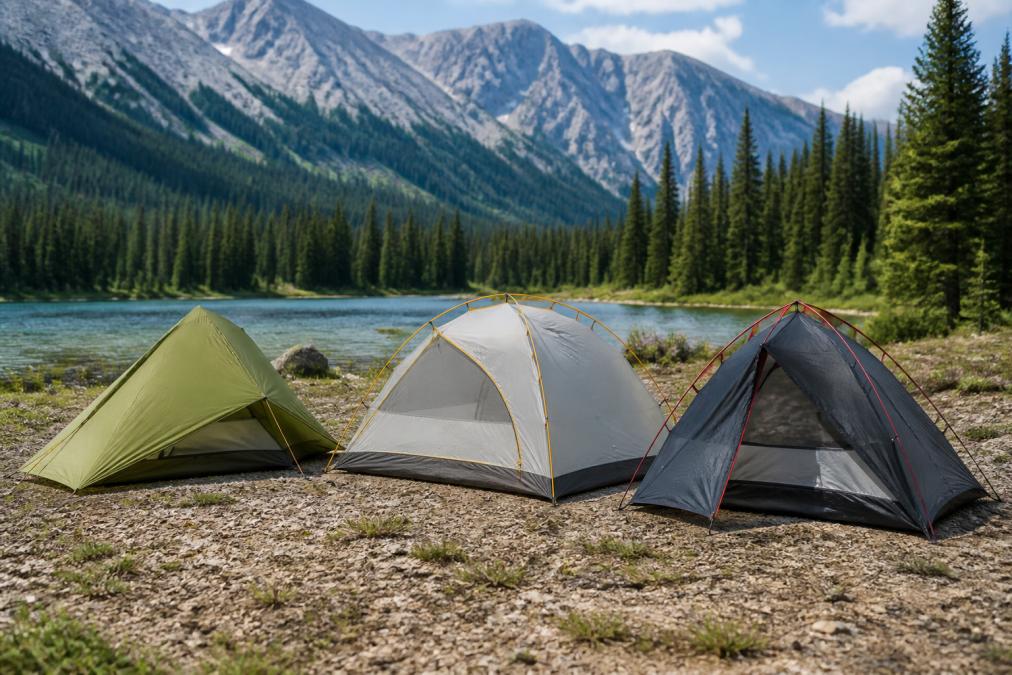
The best lightweight tents for backpacking balance trail weight against livability, and the right pick depends on whether you prioritize a freestanding pitch, interior volume, or the lowest possible base weight. Below, we break down the top options by use case so you can match a shelter to your hiking style instead of chasing the lightest number on a spec sheet.
| Tent | Trail Weight | Type | Best For |
|---|---|---|---|
| Big Agnes Copper Spur HV UL2 | ~3 lb | Freestanding, double-wall | All-around 2P backpacking |
| MSR Hubba Hubba LT 2 | ~3 lb | Freestanding, double-wall | Weather resistance for two |
| Zpacks Duplex Lite | 14.9 oz | Trekking-pole, single-wall | Thru-hiking minimalists |
| Six Moon Designs Lunar Solo | 26 oz | Trekking-pole, single-wall | Budget solo backpackers |
| NEMO Dagger OSMO 2P | ~4 lb | Freestanding, double-wall | Eco-conscious durability |
| Durston X-Mid 2 | ~2.5 lb | Trekking-pole, double-wall | Wind stability on a budget |
| Naturehike Cloud Up 2 | ~3.5 lb | Freestanding, double-wall | First-time backpackers |
How to Choose a Backpacking Tent
Choosing a backpacking tent comes down to five variables: capacity, construction, sleep-system fit, expected weather, and how you actually camp. Most guides stop at the first two. The last three are where buyers get it wrong.
Capacity: 1P, 2P, and the 'Plus One' Rule
A 1P tent is a solo shelter, not a solo-plus-gear shelter. If you carry a wide sleeping pad, a large pack, or a dog, a 2P tent often weighs only a few ounces more and buys you real livability. A common pattern among thru-hikers is to run a 2P shelter solo for exactly this reason. For two people, a true 2P is the minimum; a 3P is worth the weight if either sleeper is broad-shouldered or uses a wide pad.
Construction: Freestanding vs. Non-Freestanding
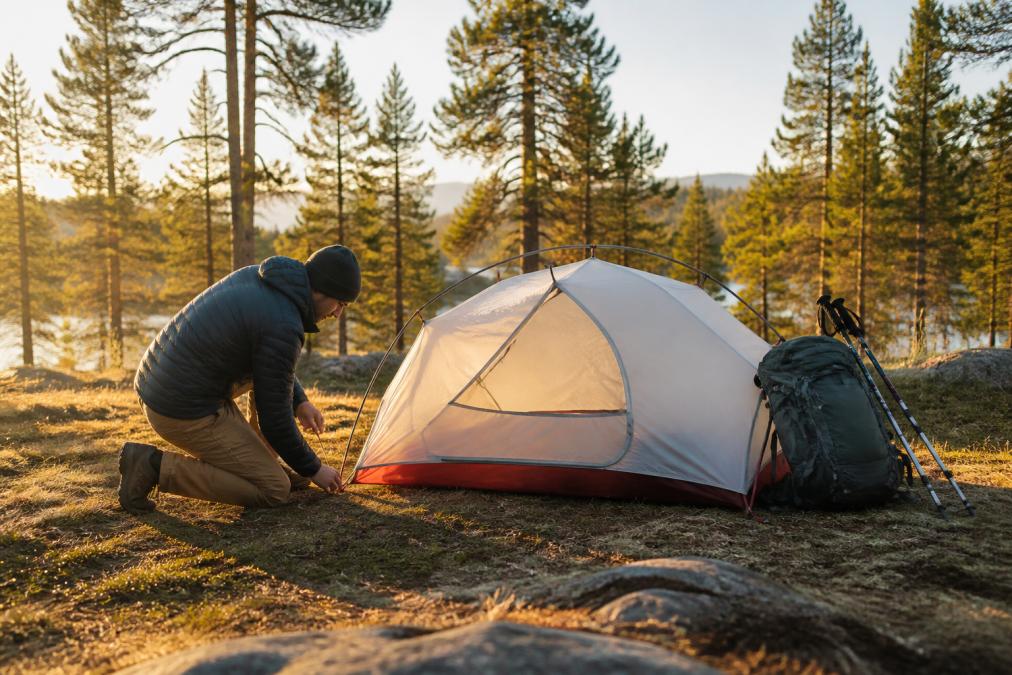
A freestanding tent supports itself with poles and can be pitched on rock, hardpan, or a wooden platform with minimal staking. A non-freestanding design relies on trekking poles and stakes, saving weight but demanding softer soil. If your trips include established campsites with platforms, desert slickrock, or alpine slabs, freestanding is not a luxury, it is a requirement.
Single-Wall vs. Double-Wall
Single-wall shelters combine fly and body into one layer, cutting grams and pitching faster. Double-wall tents separate the two, which moves condensation away from your sleeping bag and quilt. In humid, cold, or still conditions, double-wall is the difference between a dry bag and a damp one. In arid, breezy environments, single-wall is fine and lighter.
Sleep-System Fit: The Spec Nobody Prints
This is the most overlooked variable. Tent floor dimensions are usually listed as length by width at the widest point, but the usable width at your shoulders and hips is narrower because of bathtub floor walls and inward-sloping sides. A 25-inch-wide sleeping pad in a 2P tent with a 50-inch floor leaves 25 inches for the second sleeper, but if the walls taper, both pads may touch the sides and wick condensation onto your bag.
Weather and Seasonality
Three-season tents handle the bulk of backpacking from spring through fall. They prioritize ventilation and weight. Four-season tents add pole strength, lower profiles, and reduced mesh for snow loading and high wind. If you backpack above treeline or into shoulder-season snow, a three-season shelter can be a genuine safety problem, not just an uncomfortable one.
Match the Tent to the Trip
- Solo weekend trips: a 1P or 2P double-wall tent you can pitch fast in the dark
- Thru-hiking: a trekking-pole-supported single-wall shelter to protect base weight, paired with a wide pad you have actually measured against the floor
- Two-person backpacking: a 2P double-wall with dual doors and dual vestibules so neither sleeper has to climb over the other
- Family or basecamp-adjacent trips: prioritize floor area, peak height, and a full-coverage fly over grams
A common mistake is buying the lightest tent you can afford. In practice, that often means a cramped interior, a fiddly pitch you will resent after a long day, and a shelter that fights your sleep system instead of supporting it.
Backpacking Tent Weight Limits: How Light Is Light Enough?
There's no universal threshold, but the industry generally splits shelters into three bands. Ultralight tents typically land under 2 lb of trail weight, lightweight tents run roughly 2-4 lb, and standard backpacking tents sit above 4 lb. Trail weight, not packaged weight, is the number that matters because it excludes stuff sacks and extra stakes.
- Under 2 lb: ultralight, usually single-wall or Dyneema Composite Fabric
- 2-4 lb: lightweight, the sweet spot for most backpackers
- 4 lb and up: comfortable but heavy for long distances
Best Backpacking Tents Under $300
You don't need to spend premium money to cut pack weight. The standout value pick is the Six Moon Designs Lunar Solo, a single-pole, single-wall shelter at 26 oz that suits solo backpackers watching their budget. Its large vestibule handles gear storage, and the ventilation design helps manage condensation, though single-wall tents still demand careful site selection.
Top Ultralight Tents for Thru-Hiking and Minimalists
When every ounce counts, the Zpacks Duplex Lite sets the standard. Its Dyneema Composite Fabric construction brings trail weight to 14.9 oz, and the material is highly water-resistant. It requires trekking poles to pitch, and the price reflects the premium fabric. For solo hikers, the Hyperlite Mountain Gear Mid-1 applies the same Dyneema approach in a pyramid shape that sheds wind exceptionally well, though the single-pole pitch has a steep learning curve.
| Priority | Best Pick | Why |
|---|---|---|
| Lowest weight | Zpacks Duplex Lite | 14.9 oz trail weight |
| Wind resistance | Hyperlite Mid-1 | Pyramid geometry |
| Freestanding + light | Gossamer Gear The Free | Pitches anywhere |
Repair and Maintenance Tips for Longevity
Most tent guides treat a shelter as disposable. In reality, the difference between a tent that lasts three seasons and one that lasts ten is field repair and storage discipline, and almost nobody writes about the actual mechanisms. Here is how to keep a lightweight tent alive.
Field Repair by Fabric Type
The repair method depends entirely on what the shelter is made of.
- Dyneema Composite Fabric (DCF): DCF does not absorb water and does not need seam sealing in the traditional sense, but it punctures and abrades more readily than woven nylon. Field repairs use DCF patch tape, a pressure-activated adhesive film. Clean the area with isopropyl alcohol, apply the patch, and press firmly for 30 to 60 seconds. DCF patches bond to DCF; they do not bond well to silnylon or silpoly.
- Silnylon and silpoly: These are woven fabrics coated with silicone. Standard adhesive patches often fail on silicone coatings. The reliable field fix is a silicone-based seam grip or a patch applied with silicone sealant, allowed to cure. Many hikers carry a small tube of silicone seam sealant specifically for this reason.
- PU-coated fabrics: Polyurethane coatings accept standard adhesive repair patches well. These are the easiest field repairs.
Pole and Stake Repair
Aluminum pole sections fail at the joints, not the middle. A pole splint, a short, slightly larger-diameter aluminum tube, slides over the broken section and restores enough rigidity to finish a trip. Most pole manufacturers sell splints sized to their pole diameter, and a splint weighs almost nothing.
Seam Sealing and Re-Sealing
Factory-taped seams on double-wall tents eventually peel, especially after repeated wet-dry cycles. When water starts wicking through a seam, re-seal it with a silicone-based seam sealer applied to the inside of the seam, then let it cure fully before packing. DCF shelters generally do not require seam sealing because the material is not woven and the seams are bonded.
DWR Refresh
When water stops beading on the fly and starts soaking in, the durable water repellent (DWR) finish has worn off. Wash the fly with a technical fabric cleaner (not detergent), rinse thoroughly, and apply a spray-on or wash-in DWR product. Reapply once per season in heavy use. A refreshed DWR restores the fly's ability to shed rain and reduces condensation inside the tent.
Storage and Zipper Care
- Pitch the tent and wipe it dry after every trip before storage. Packing a damp shelter breeds mildew that eats coatings and seams.
- Store loosely in a breathable bag, never compressed long-term. Compression creases DCF and stresses coated fabrics.
- Clean zippers with a soft brush, then apply a silicone lubricant. Grit is the number one cause of zipper failure.
- Keep the shelter out of prolonged direct sun when not in use. UV degrades every fabric used in tents, including DCF.
Regional Climate Considerations for Choosing a Tent
The NEMO Dagger OSMO 2P stands out for anyone weighing sustainability. Its OSMO fabric is built for improved water repellency and durability, and the Divvy Cube stuff sack lets two people split the load. It's slightly heavier than minimalist shelters, but it's a strong pick for eco-conscious backpackers who want a tent to last.
Frequently Asked Questions
Is a 5 lb tent too heavy for backpacking?
A 5-pound tent is on the heavier side for backpacking, but it can work for short trips or if you split the weight with a partner. Most lightweight backpacking tents weigh between 2 and 4 pounds. For solo trips, aim for under 3 pounds. If you're hiking long distances, every pound counts, so a 5-pound tent may cause fatigue. Consider your total base weight and trip length before deciding.
What is the best lightweight hiking tent?
The best lightweight hiking tent depends on your needs. The Big Agnes Copper Spur HV UL2 offers a great balance of weight and livability at around 3 pounds. For ultralight enthusiasts, the Zpacks Duplex Lite weighs just 14.9 ounces but requires trekking poles. Budget-conscious hikers might prefer the Six Moon Designs Lunar Solo at 26 ounces. Consider your priorities: weight, space, ease of setup, and price.
What type of tent is best for backpacking?
For backpacking, lightweight three-season tents are ideal. Freestanding tents like the MSR Hubba Hubba LT 2 are easy to pitch on various terrain. Non-freestanding, trekking-pole-supported tents like the Durston X-Mid 2 save weight but require proper staking. Single-wall tents are lighter but can have condensation issues; double-wall tents offer better ventilation. Choose based on your typical terrain and climate.
How much should a lightweight backpacking tent weigh?
A lightweight backpacking tent typically weighs between 2 and 4 pounds for a two-person model. Ultralight tents can be under 2 pounds, while solo tents often range from 1 to 3 pounds. Your target weight depends on your base weight goals. For traditional backpacking, keep your tent under 4 pounds; for ultralight, aim for under 2 pounds. Remember that trail weight excludes stakes and guylines.
Are ultralight tents worth the extra cost?
Ultralight tents like the Zpacks Duplex Lite or Hyperlite Mountain Gear Mid-1 cost more due to premium materials like Dyneema Composite Fabric. They're worth it if you prioritize reducing pack weight for long-distance hikes or thru-hiking. However, budget options like the Naturehike Cloud Up 2 or Six Moon Designs Lunar Solo offer decent weight savings at lower prices. Consider how often you backpack and your comfort with higher costs.
Matching a shelter to your hiking style, not just the lowest weight, is what separates a great trip from a miserable one. At The Camping Gear Guy, we stock lightweight and ultralight tents alongside the sleeping supplies and trekking poles that complete your sleep system, all backed by a customer-oriented approach and affordable pricing. Browse our fast, user-friendly online store to compare real weight specs and find the shelter that fits your next trip. Shop now and gear up with confidence.